Your cart is currently empty!
How Autoflowering Is Inherited
Why autos appear in F2, what changes in F3, and how the inheritance works in Velluto and Freaky Ryder.
Read the articleLive breeding journal
Follow each line from selection to release—through observations, photographs and decisions.
Latest notes
Why autos appear in F2, what changes in F3, and how the inheritance works in Velluto and Freaky Ryder.
Read the article
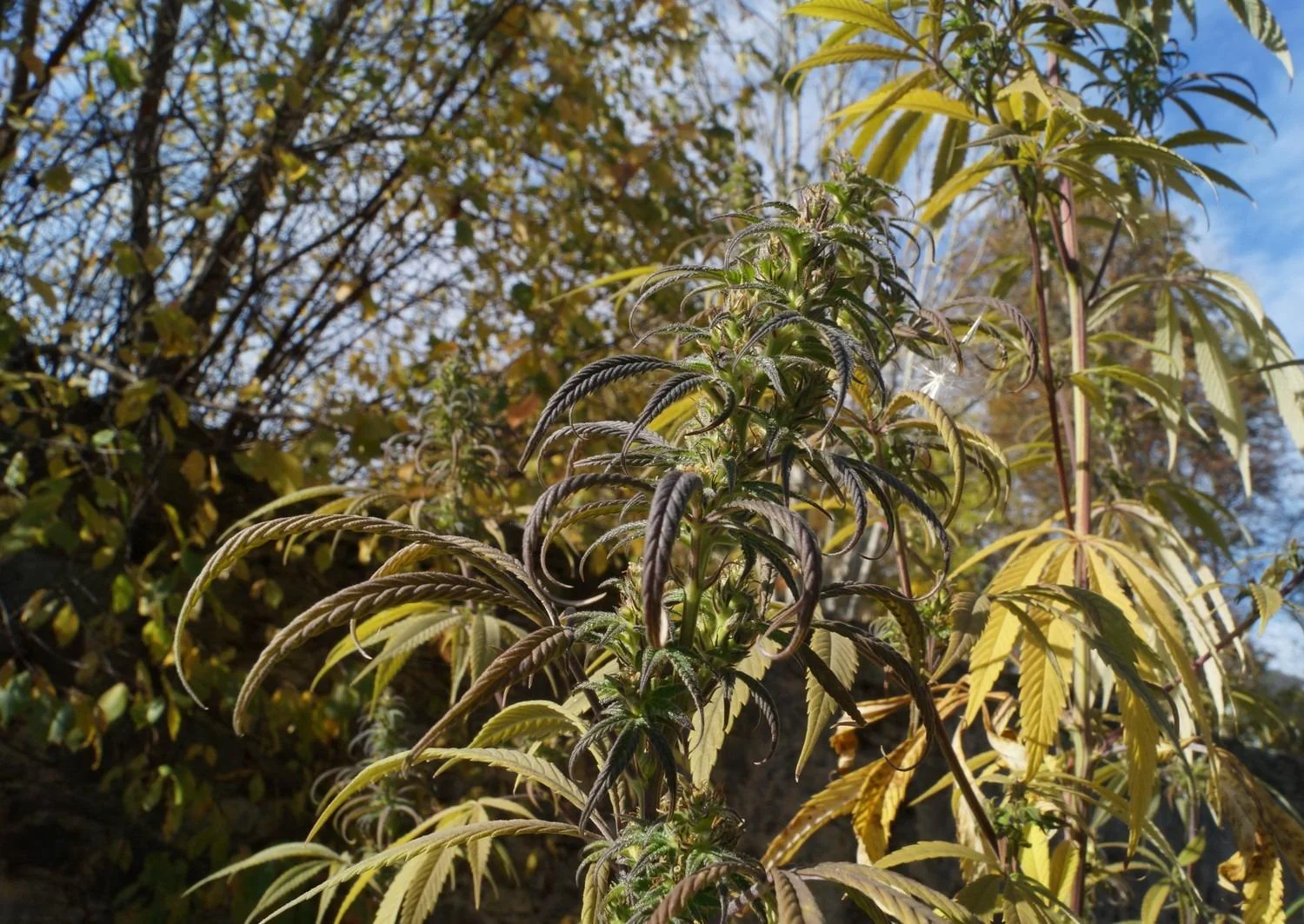
Rasol × Rasol seeds are developing outdoors as night temperatures drop to around 5 °C.
Ten rooted clones from the same selected mothers began the commercial feminized F1 run in September. The latest photographs show them in early October.
Male and female Rasol plants are flowering together outdoors, with Rasol × Rasol seed the next milestone.
Regular F1 selection is underway. Feminized seeds are headed to DC Family testers.
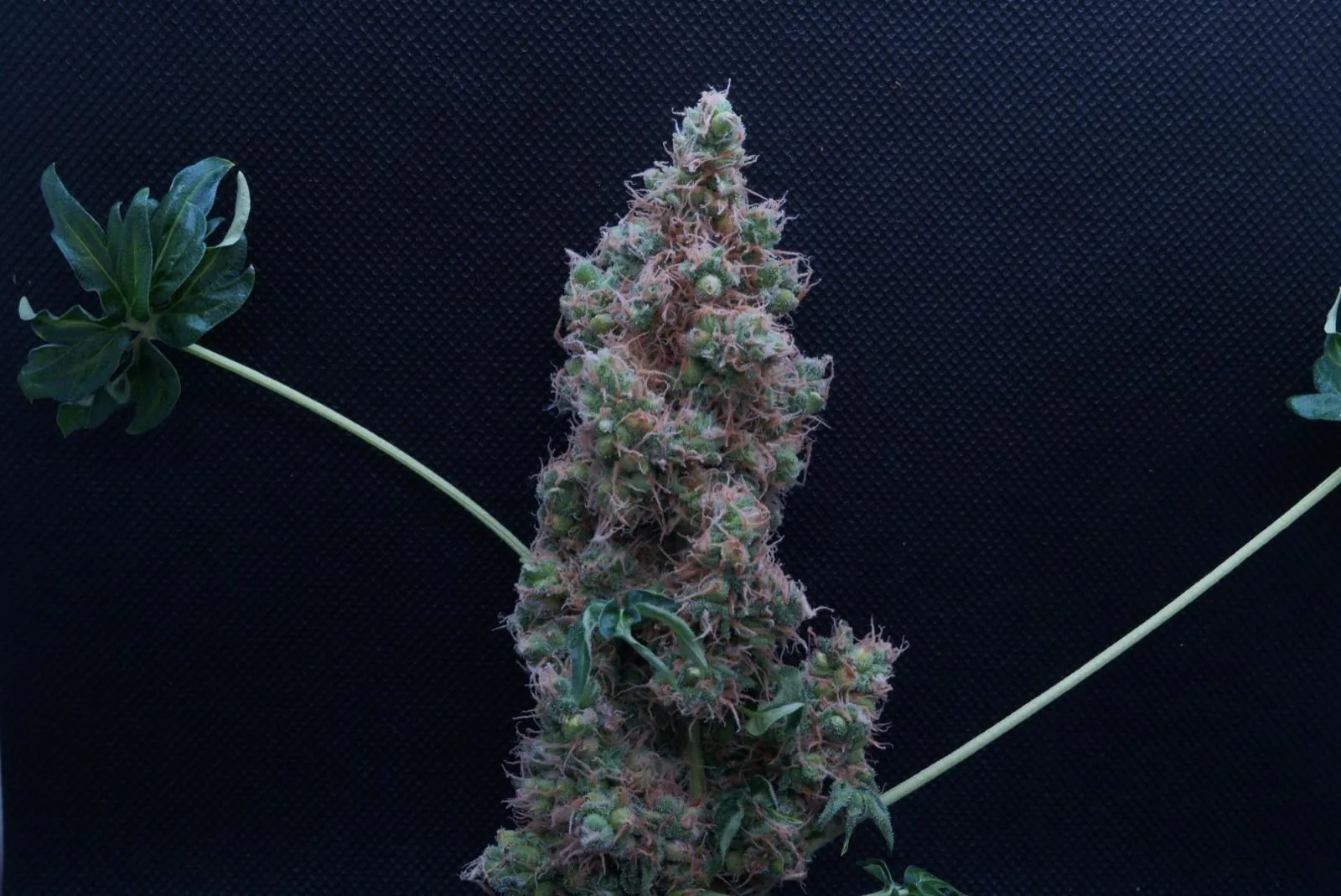
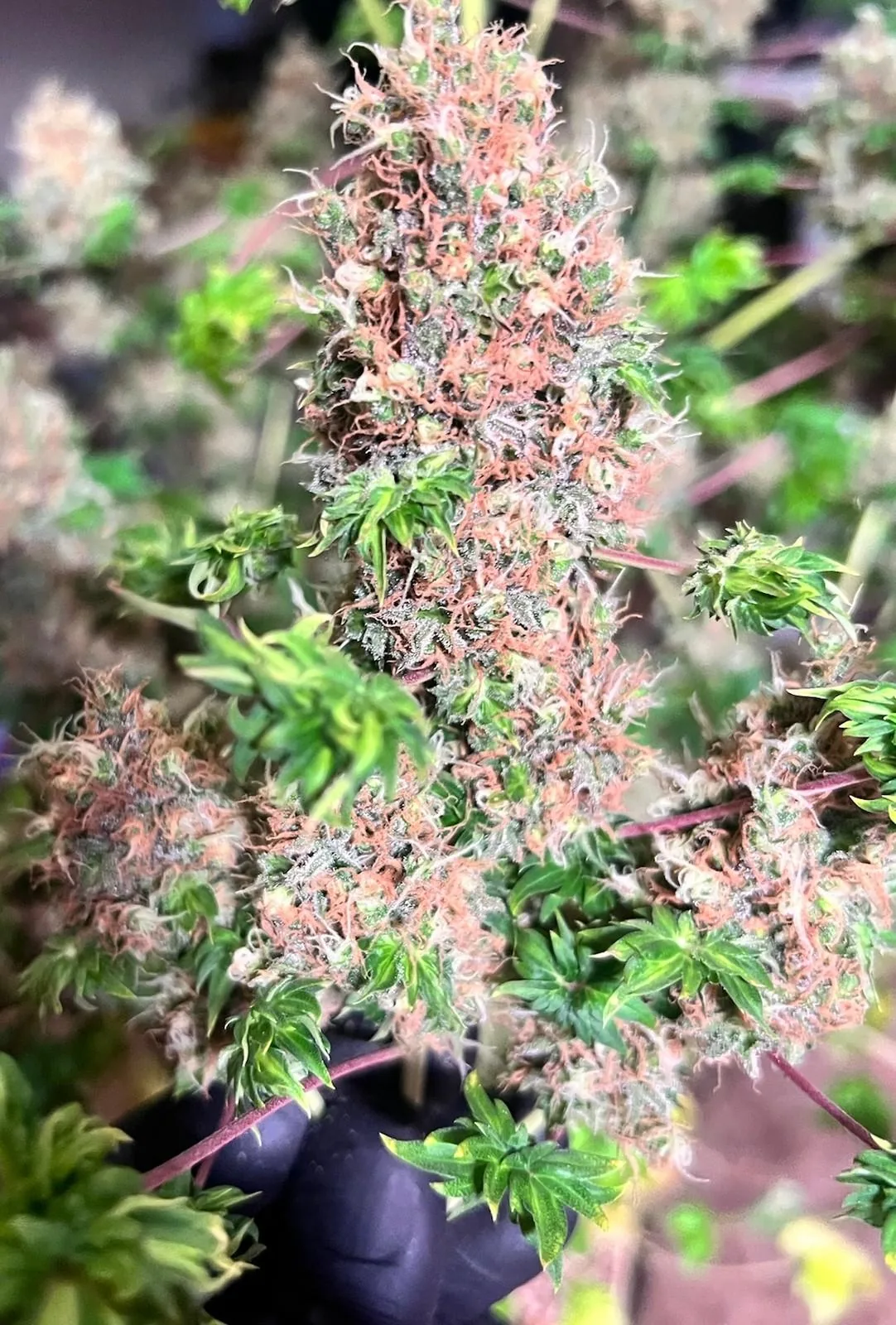
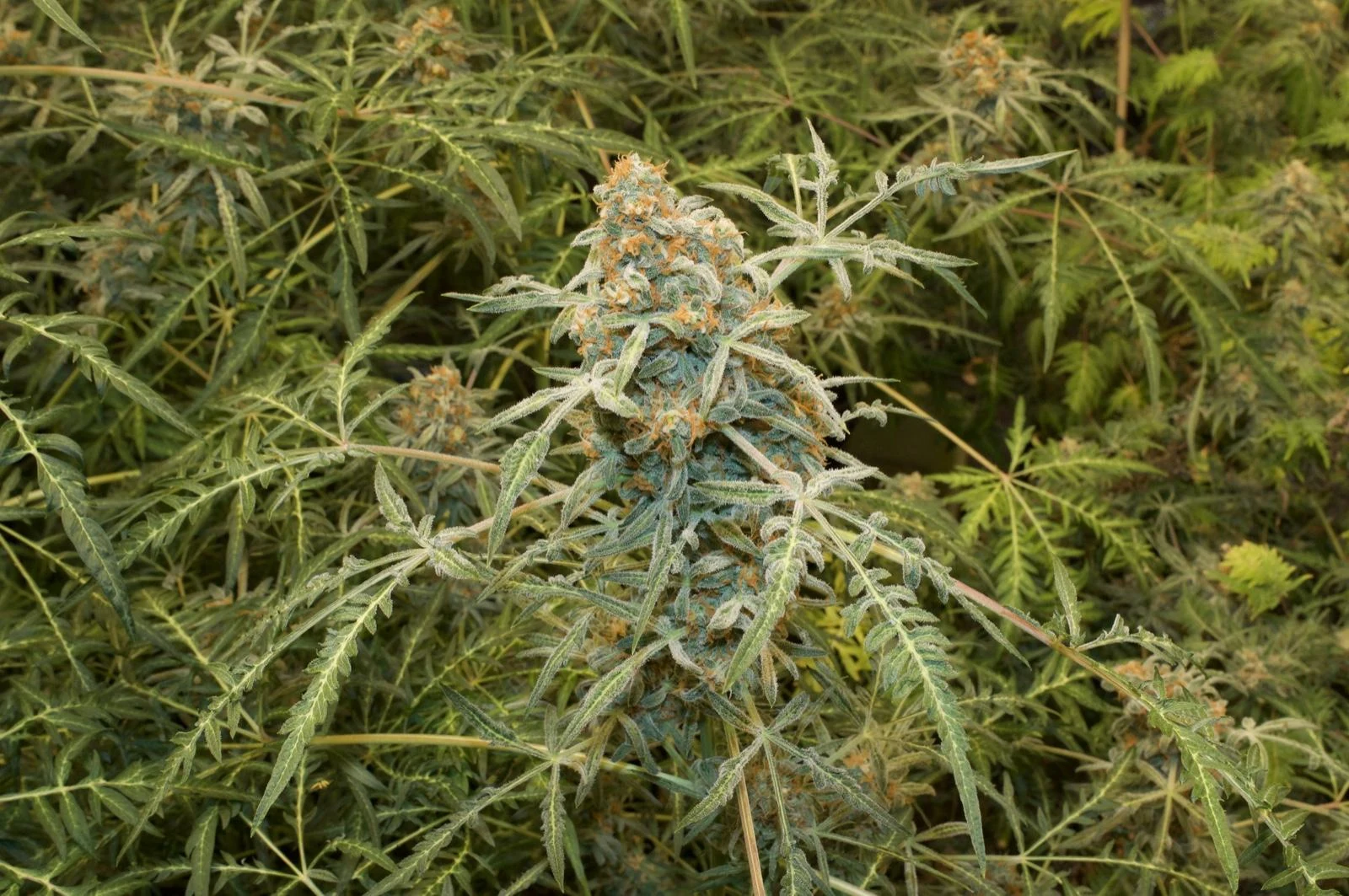
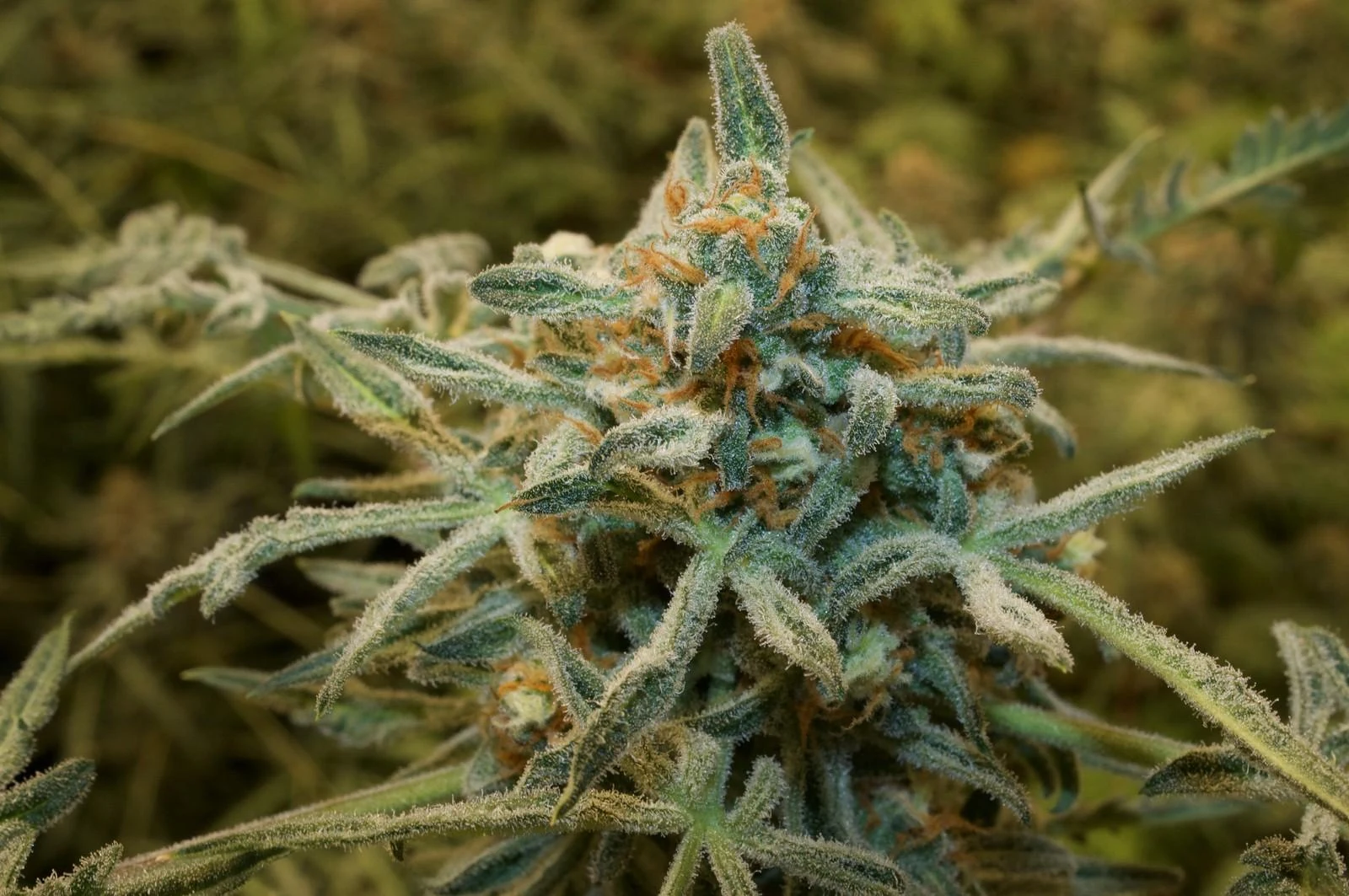
The regular F6 test reached harvest with compact plants and dense colas. The September photographs record the final structure and flower development.
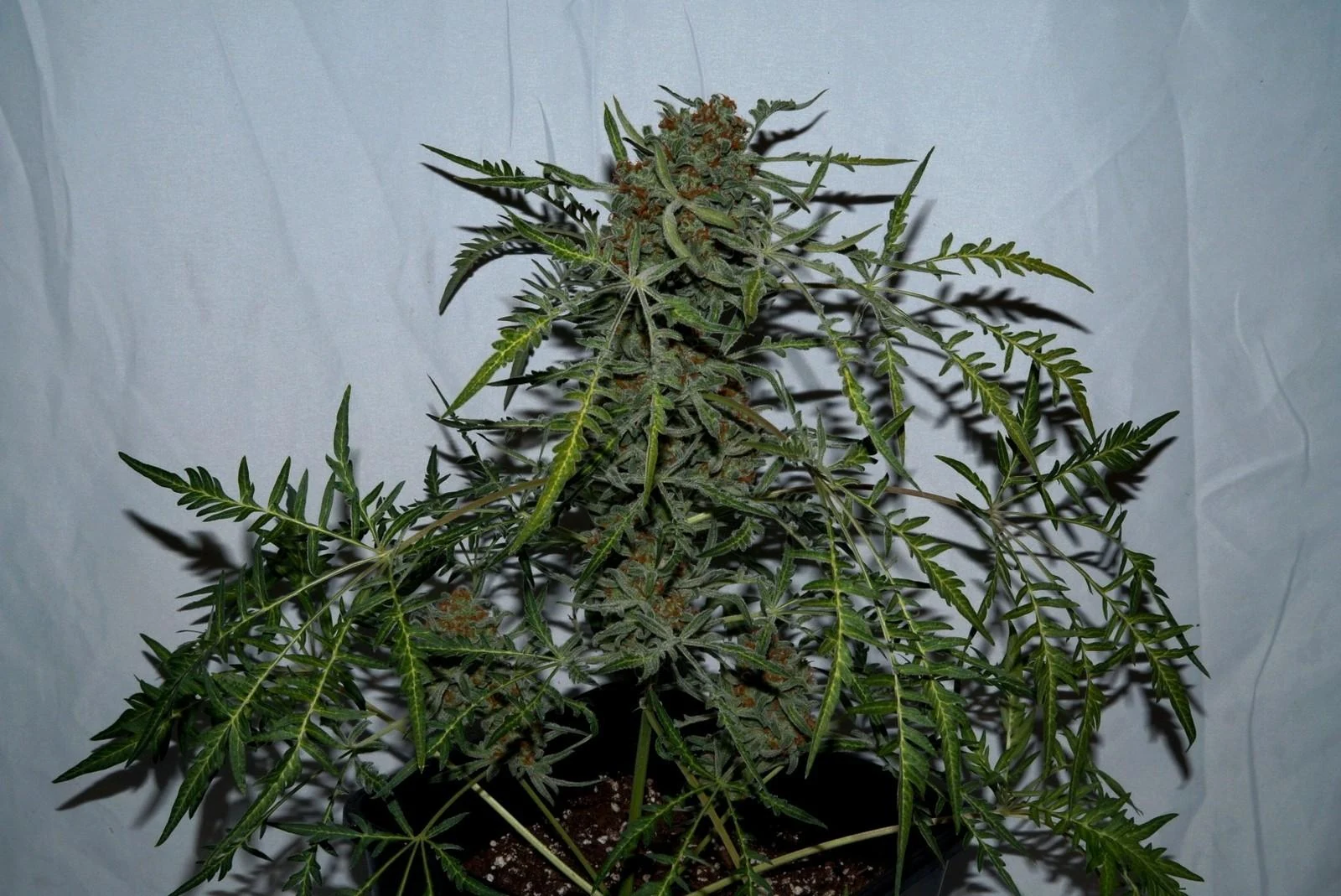
Fifty plants were grown from the first run’s regular F6 seeds: 18 females and 32 males. The Freakshow leaf was visible from the seedling stage.
The Lowryder cross produced F1 seeds from both mothers, with each batch kept separate for comparison.
Male flowers appeared outdoors while the female clones were already flowering indoors.
What the stage labels mean, how generations advance, and where Fast F1 fits.
Read the article
Selection narrowed 30 Rasol plants to one male and three females for the Rasol × Rasol stage.
Eleven plants, six months, one mother. The traits that made her stand out.
Selection narrowed twenty Black Mamba #42 plants to two mothers for separate Lowryder crosses.
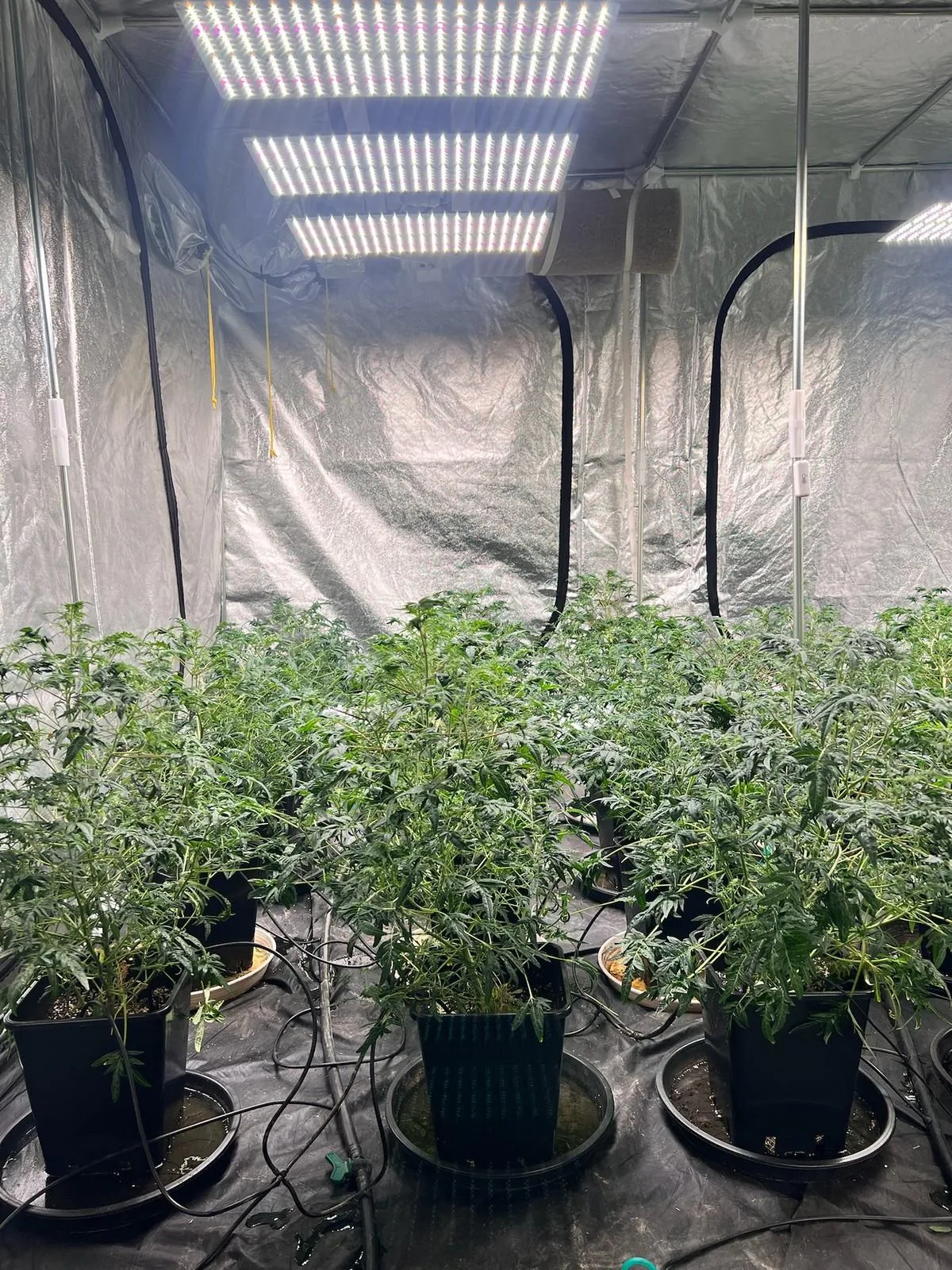
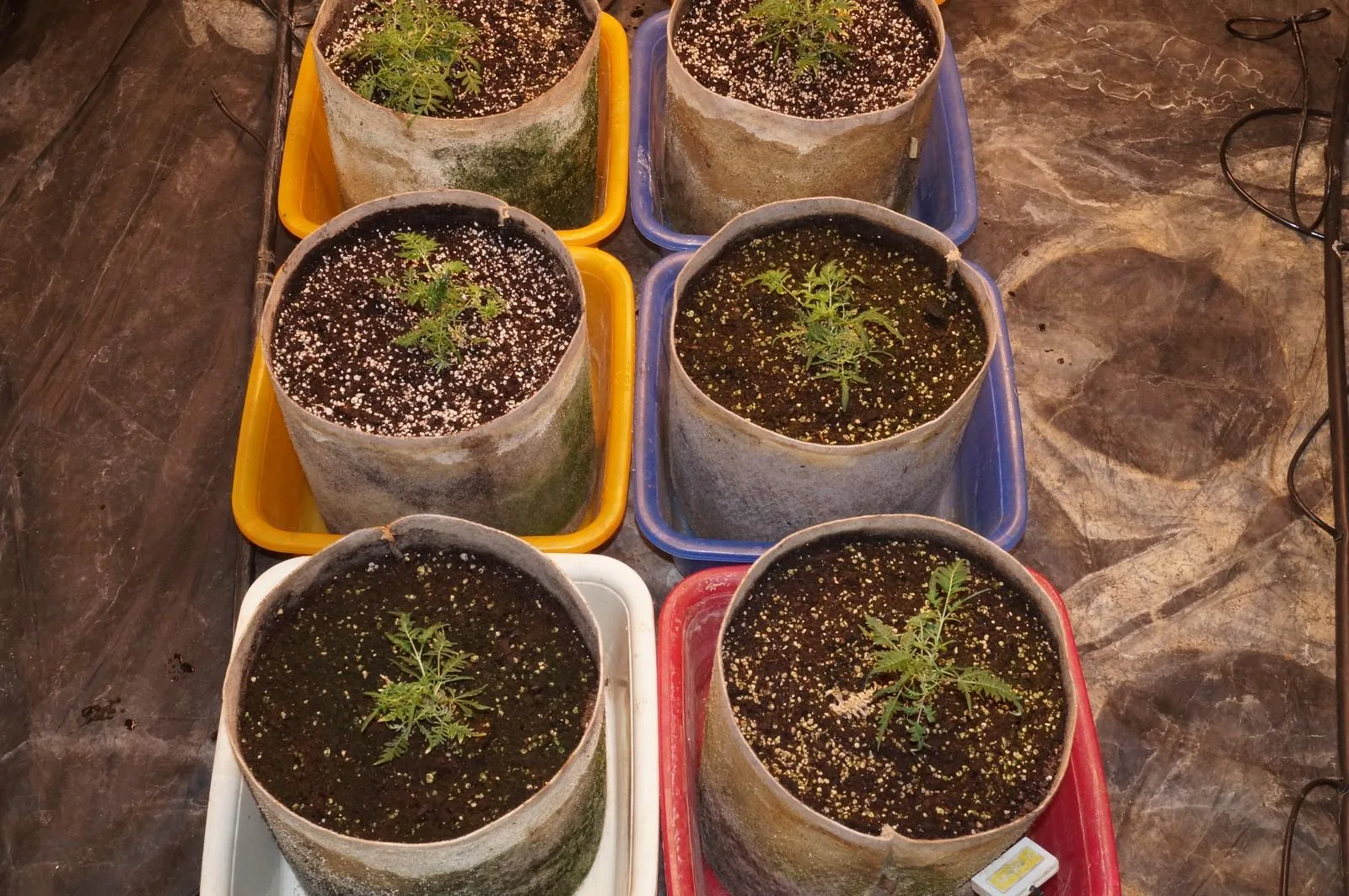
Rasol from the Parvati Valley begins an indoor run, from germination through vegetative growth.
The first seed run produced regular F1 seeds and a test feminized batch. The selected Freaks of Dank mothers were preserved in clones.
Blueberry Bastard F4 × Bastard Ryder produced regular and feminized F1 seeds, completing six months of parent selection and seed production.
The first production run at Doctor’s Choice grew mutantfarmer’s F5 material and produced regular and feminized F6 seeds.
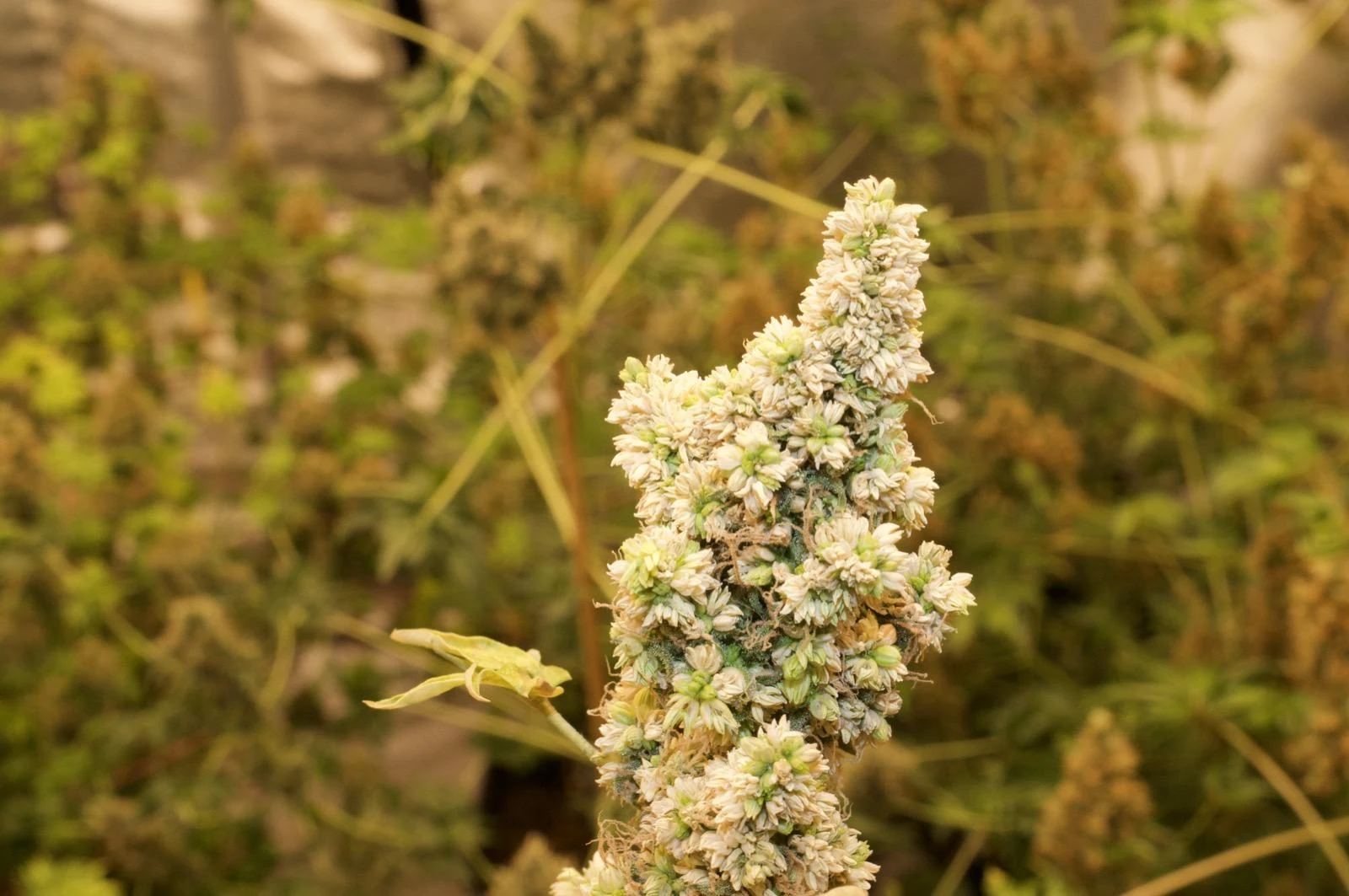
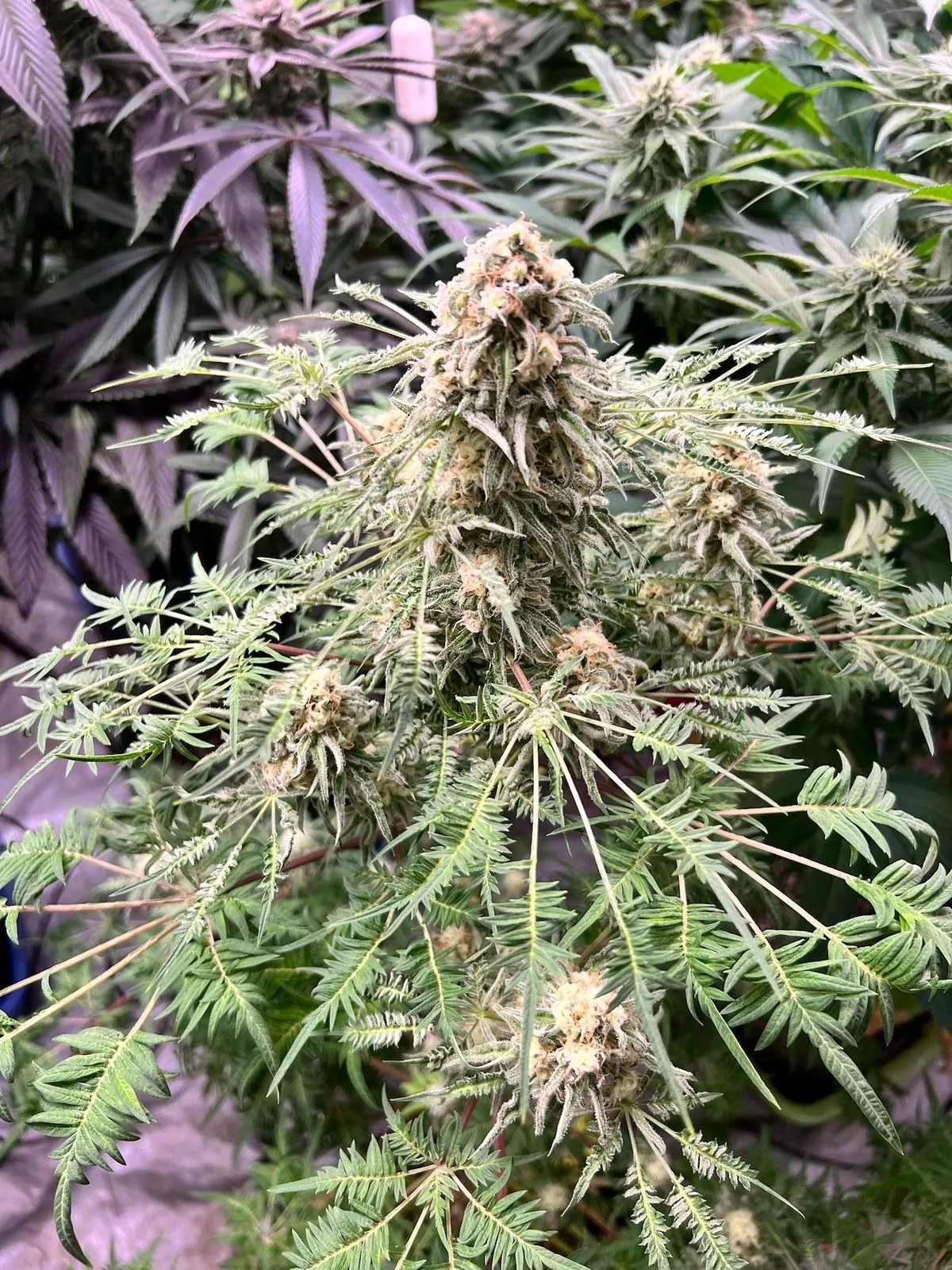
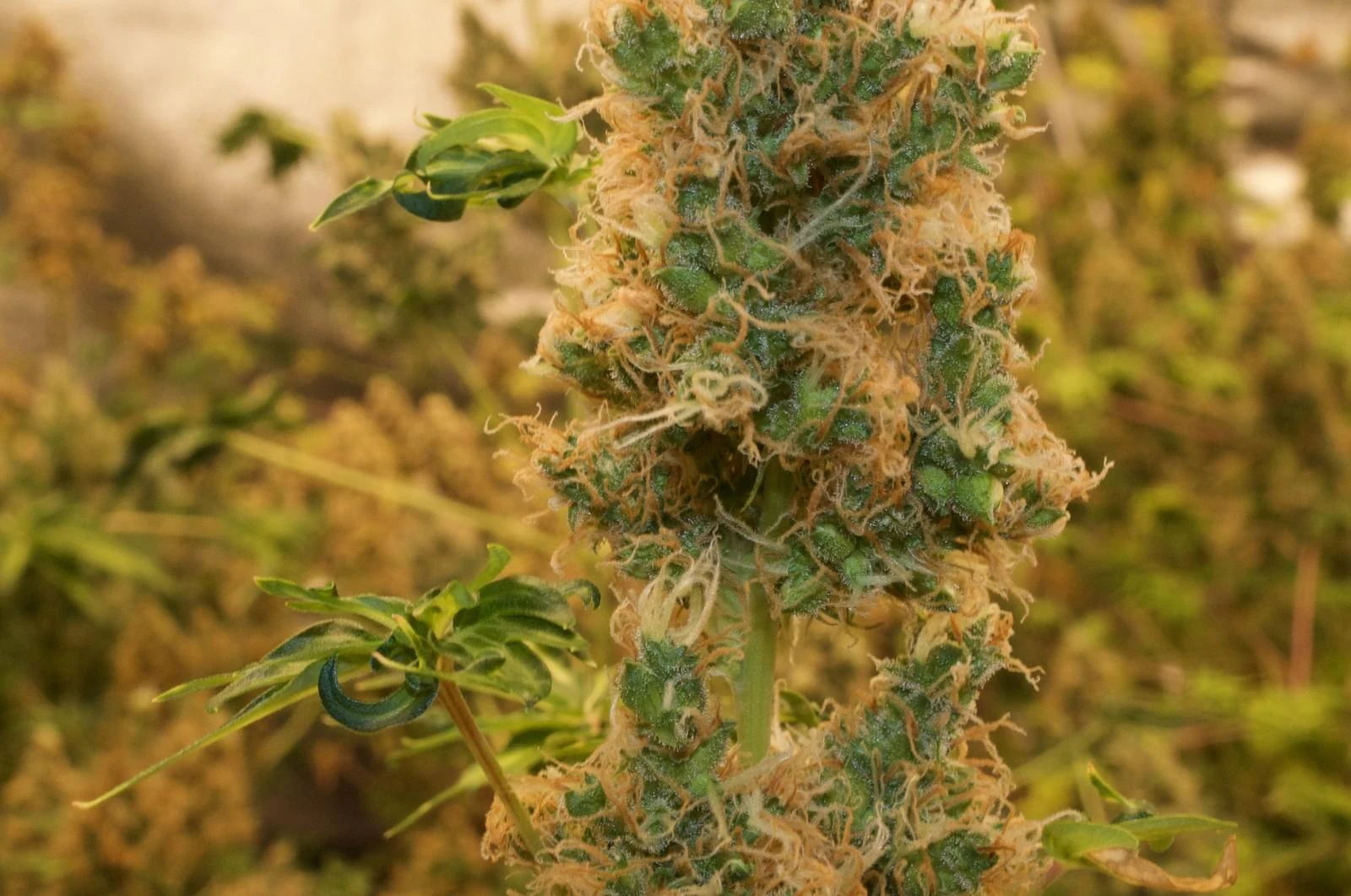
F6 seeds matured in the flower clusters. The completed production run supplied the regular and feminized Bastard Ryder releases.
The aim: bring Lowryder’s autoflowering trait to Black Mamba #42 while preserving its character.
A female pollen donor supported feminized seed production in one area, while the regular plants were pollinated separately.
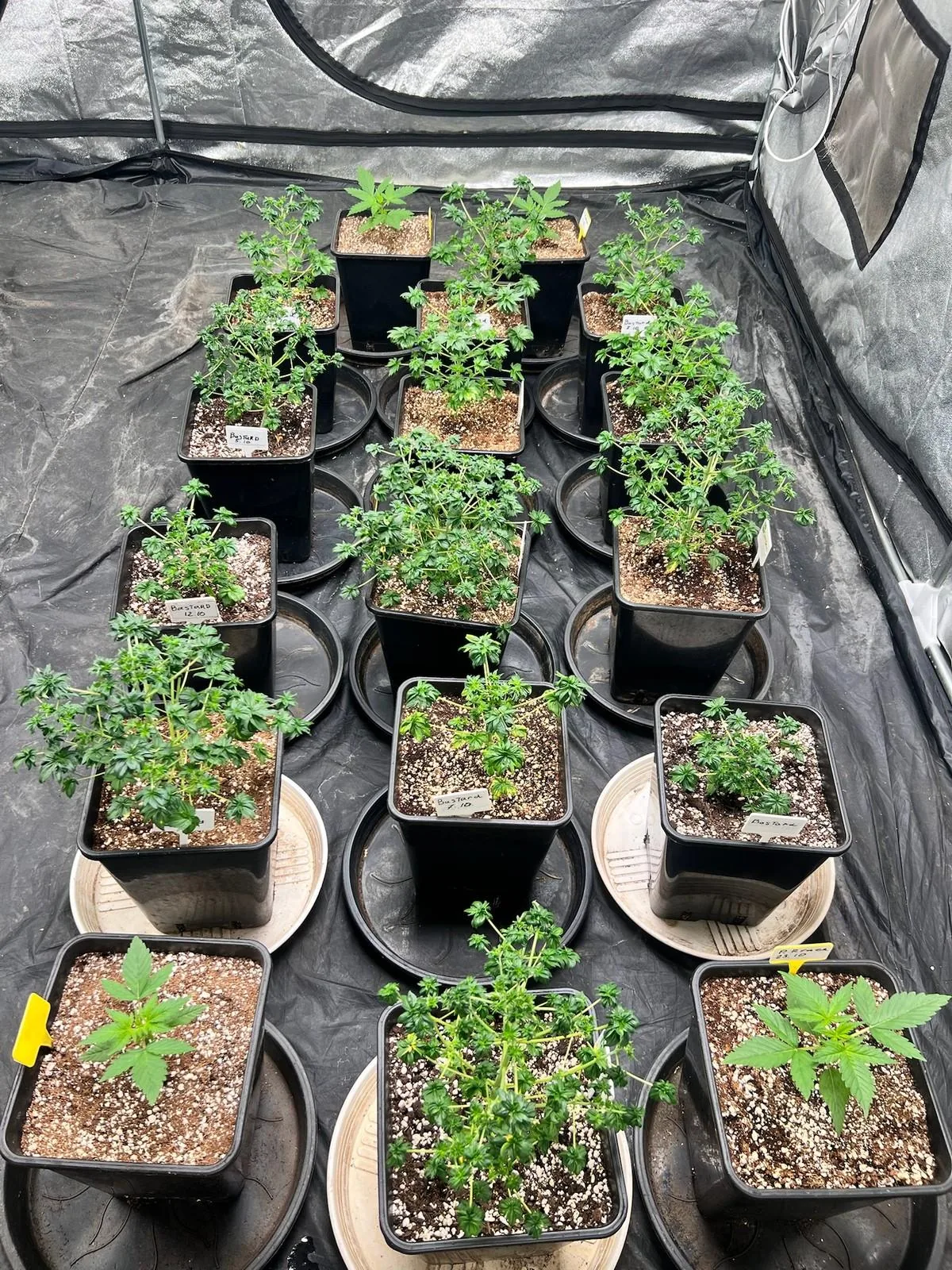
Plants from the Blueberry Bastard F4 selection were assessed in flower while their clones remained in vegetative growth.
Cuttings from the selected mothers rooted and grew while the original plants finished flowering, preserving each plant for the first seed run.
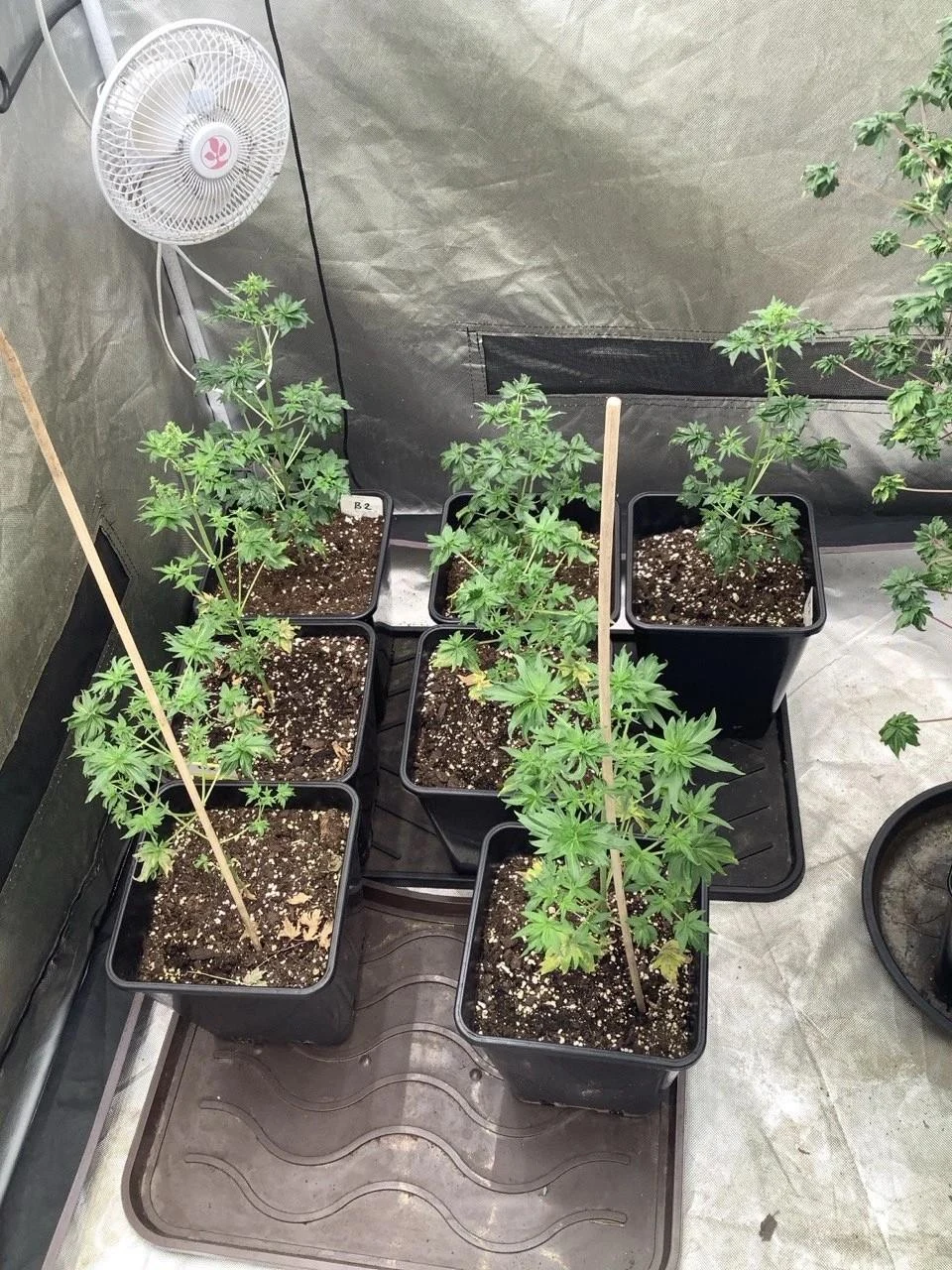
The production run began with fifth-generation plants from mutantfarmer’s seeds, grown as two lines marked B1 and B2.
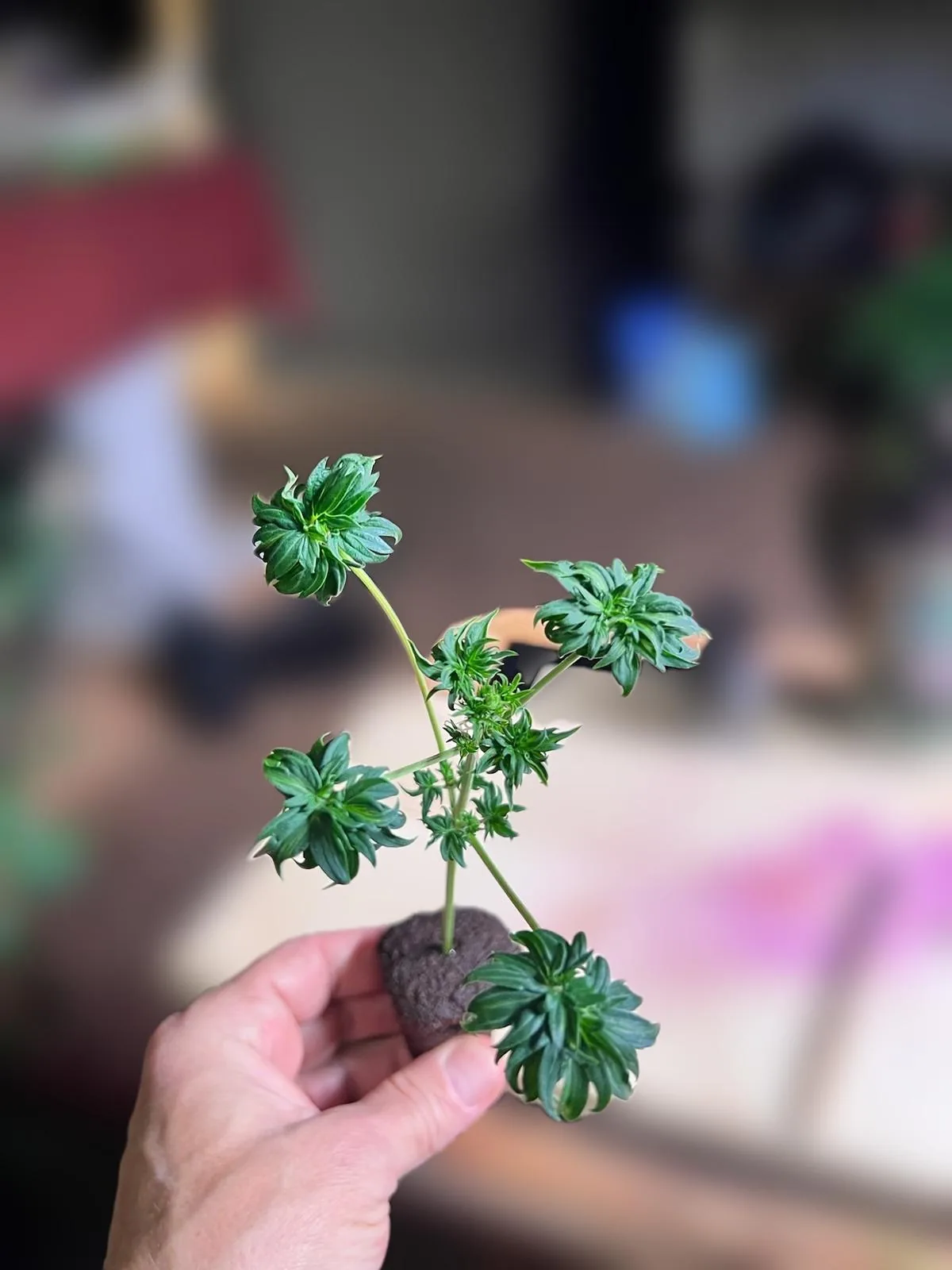
Cuttings were taken from the Blueberry Bastard F4 mothers, each retaining a rosette of ABC leaves.
Why Vanilla Velvet × Lowryder? The goal, the room and the starting point.
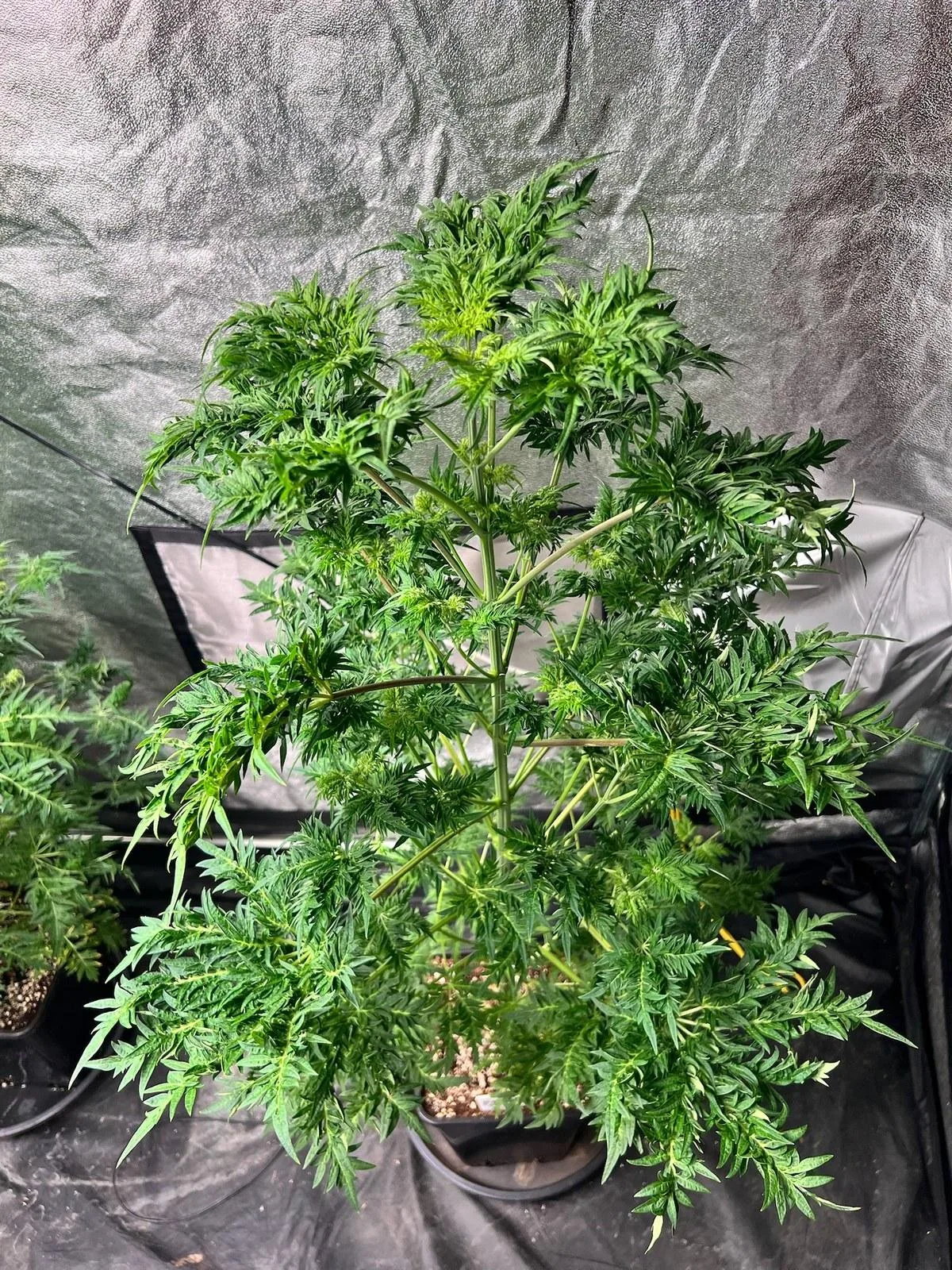
Freaks of Dank plants differed in leaf color, branching and canopy shape. Mother plants were selected from this group.
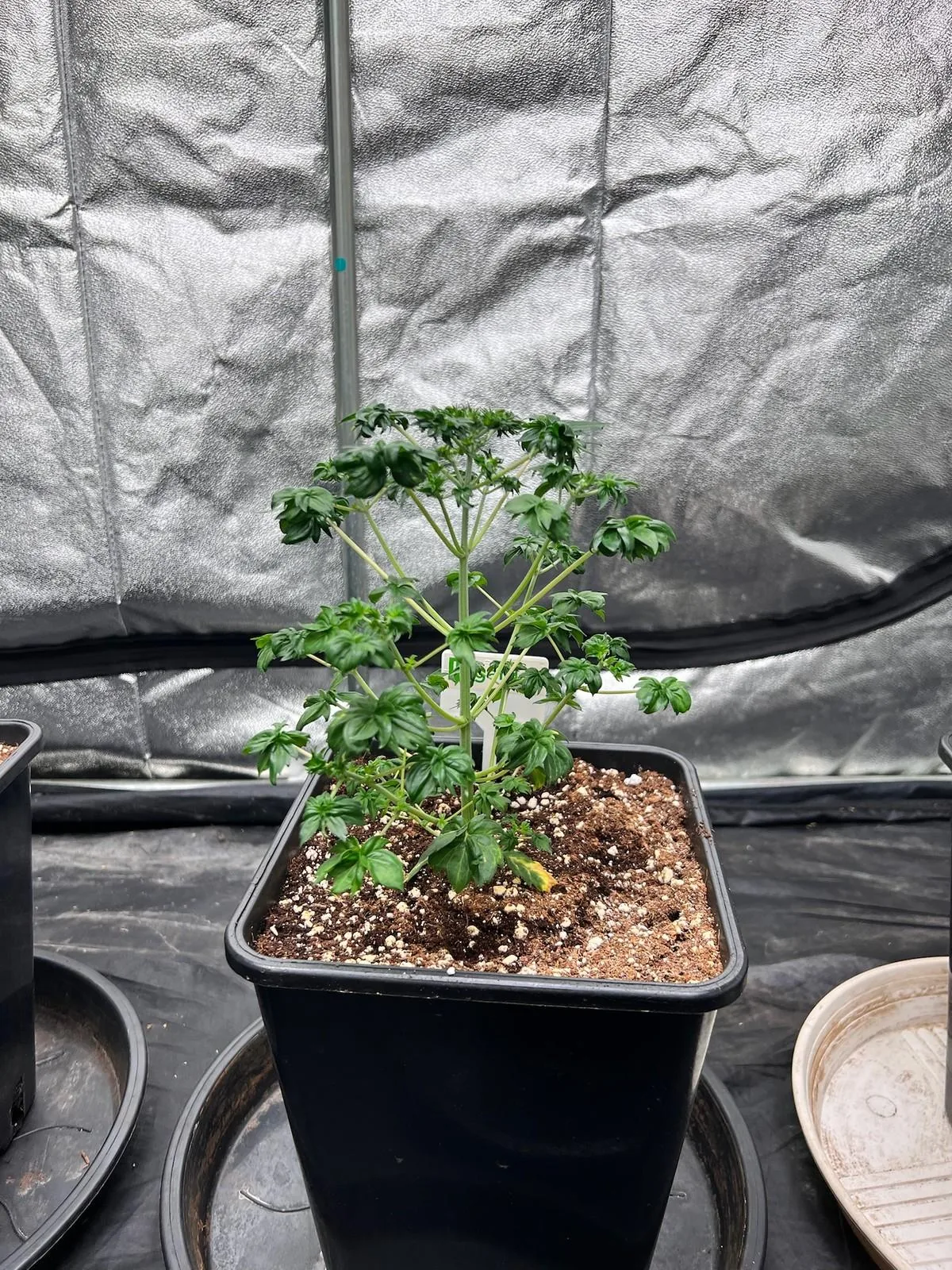
Blueberry Bastard F4 showed the ABC leaf from its first true leaves, then grew into a closed canopy during parent selection.
Joint Doctor and mutantfarmer chose Freaks of Dank × Freaky Ryder, bringing two lines with the Freakshow leaf into a photoperiod F1 cross.
A photoperiod mother and an autoflowering father from the same family: Blueberry Bastard F4 × Bastard Ryder, both carrying the ABC leaf.
Regular Freaky Ryder debuted at Mary Jane Berlin, presented by Sasha Joint Doctor. The meeting with Seedsman began the later feminized collaboration.
From Freakshow FS#8 × Lowryder to F5 seeds: among more than 350 F2 seeds, mutantfarmer found six plants combining autoflowering and the Freakshow leaf.
DB#16 × Lowryder became two Bastard Ryder branches. mutantfarmer selected for autoflowering and ABC leaves through to F5 seeds.
F1 → F2
Why autos appear in F2, what changes in F3, and how the inheritance works in Velluto and Freaky Ryder.
Read the article
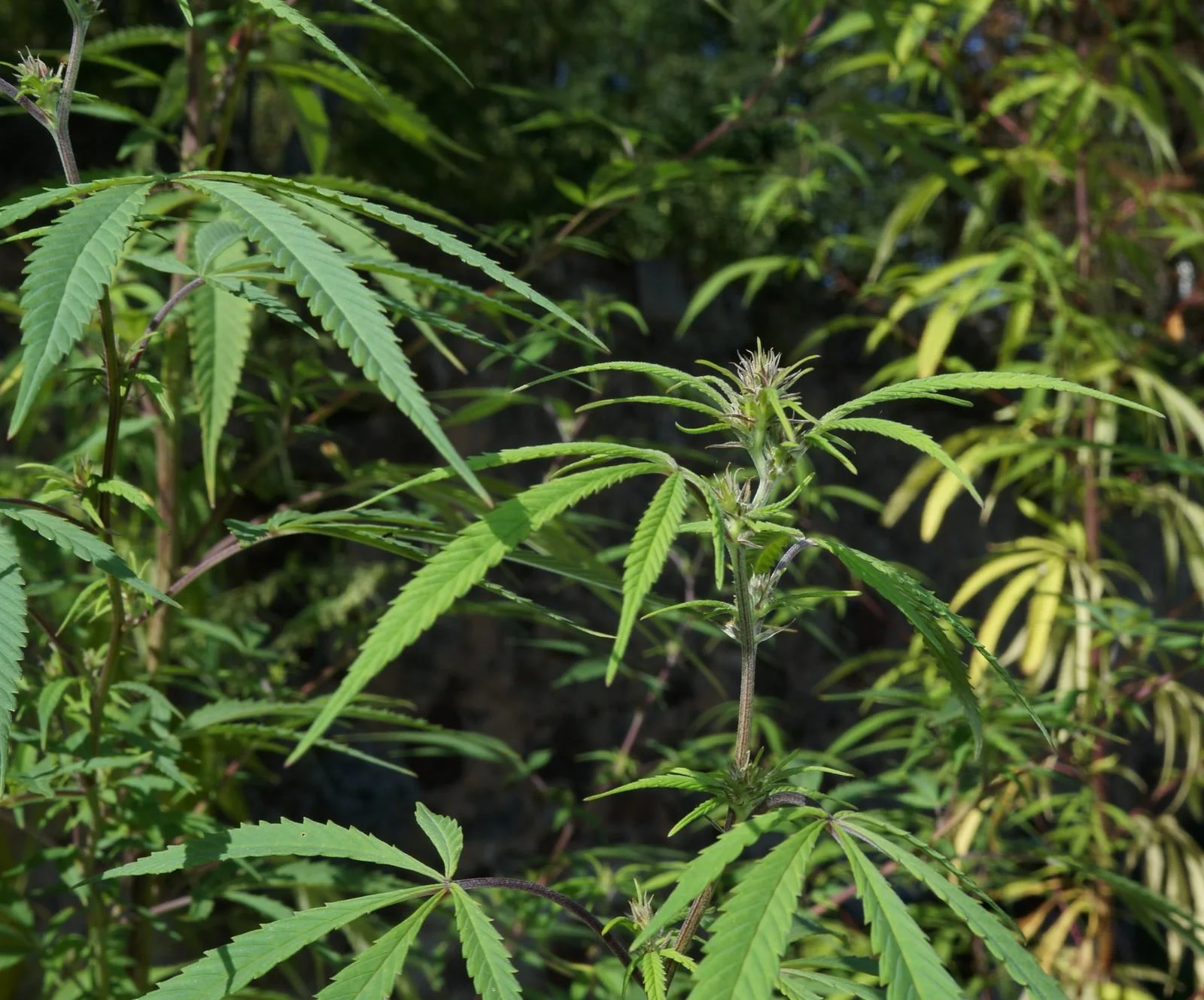
Regular F1 selection is underway. Feminized seeds are headed to DC Family testers.
What the stage labels mean, how generations advance, and where Fast F1 fits.
Read the article
Eleven plants, six months, one mother. The traits that made her stand out.
Why Vanilla Velvet × Lowryder? The goal, the room and the starting point.
P → F1
Why autos appear in F2, what changes in F3, and how the inheritance works in Velluto and Freaky Ryder.
Read the article
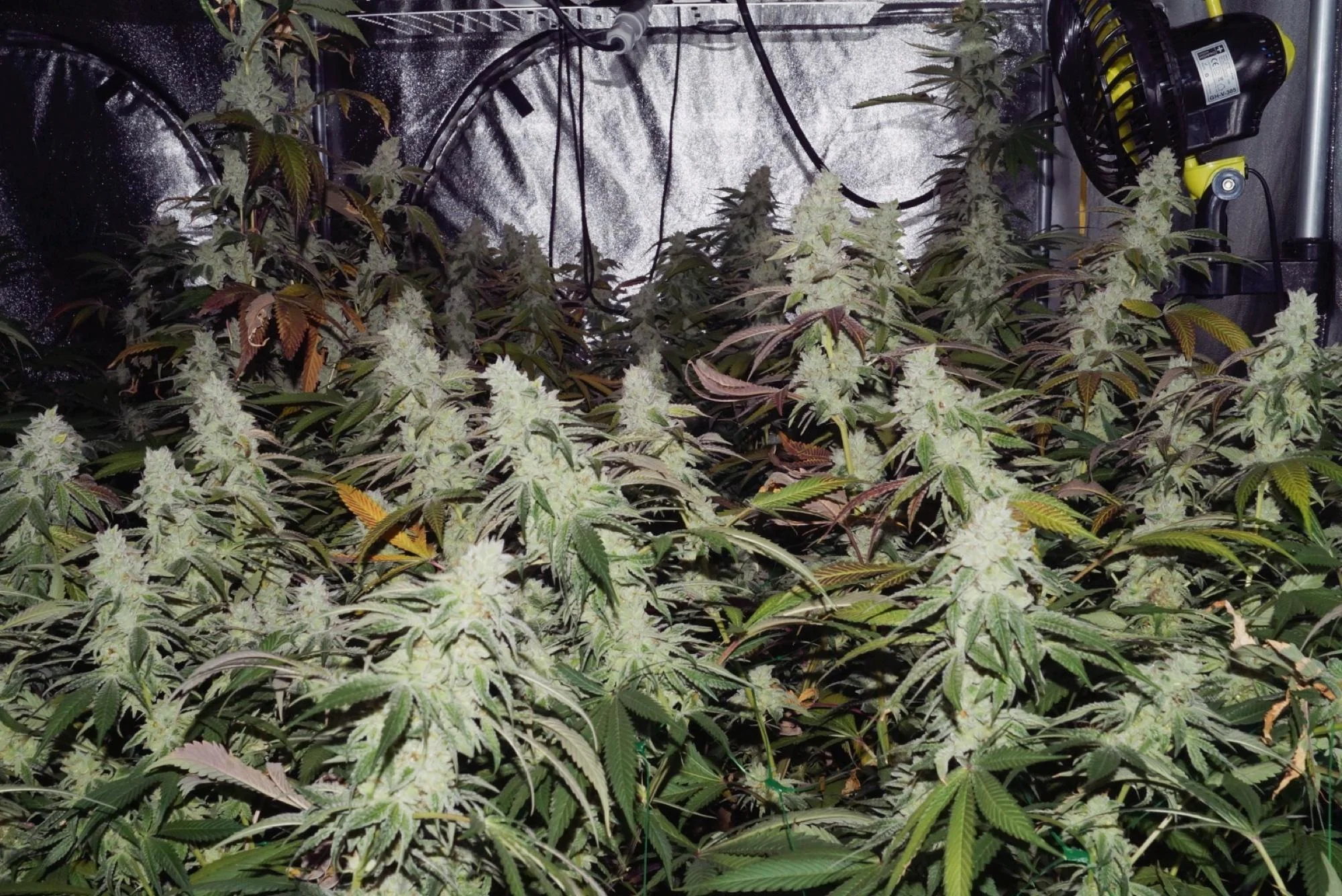
The Lowryder cross produced F1 seeds from both mothers, with each batch kept separate for comparison.
What the stage labels mean, how generations advance, and where Fast F1 fits.
Read the article
Selection narrowed twenty Black Mamba #42 plants to two mothers for separate Lowryder crosses.
The aim: bring Lowryder’s autoflowering trait to Black Mamba #42 while preserving its character.
Parent selection
Why autos appear in F2, what changes in F3, and how the inheritance works in Velluto and Freaky Ryder.
Read the article
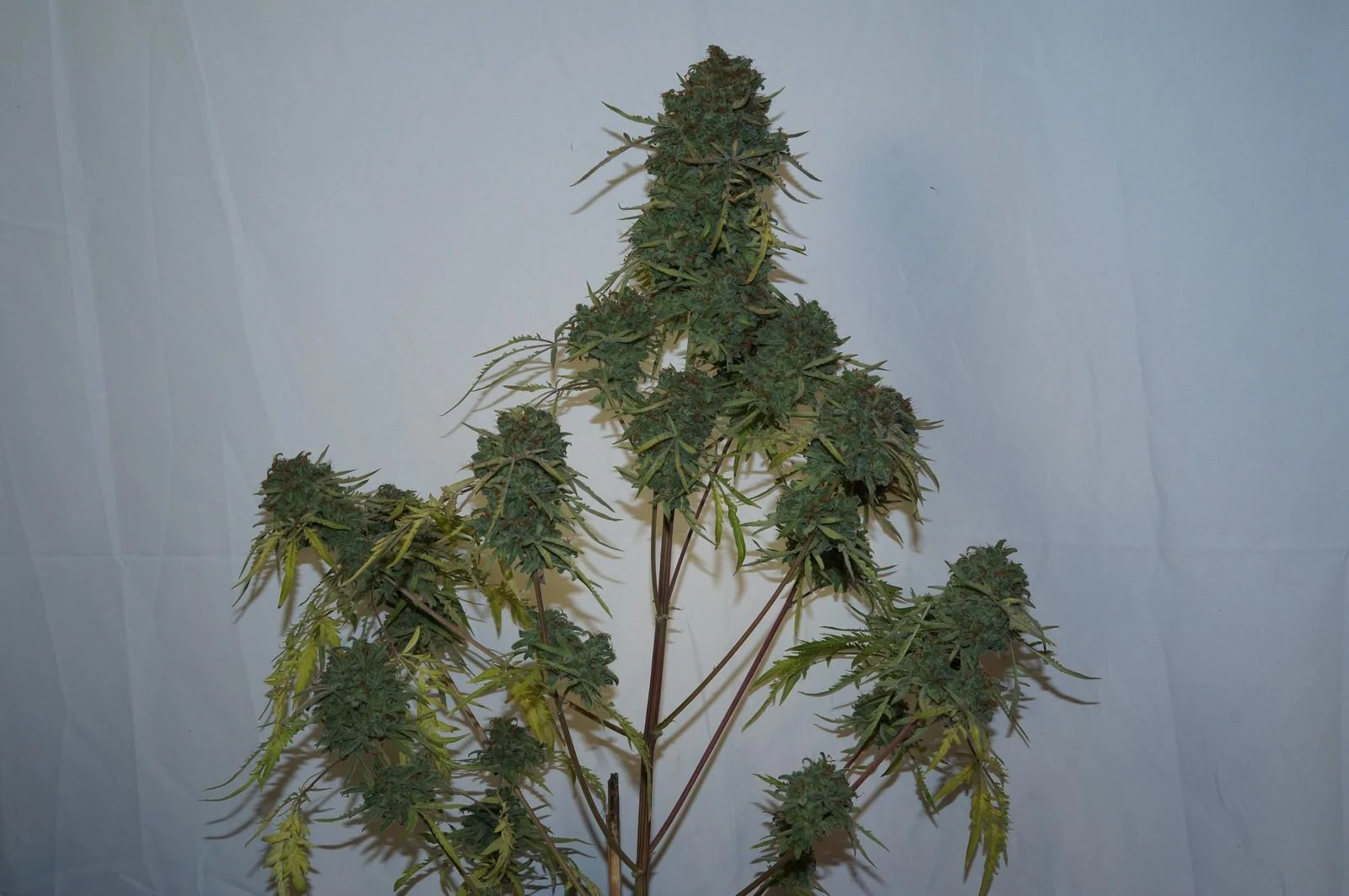
Rasol × Rasol seeds are developing outdoors as night temperatures drop to around 5 °C.
Male and female Rasol plants are flowering together outdoors, with Rasol × Rasol seed the next milestone.
Male flowers appeared outdoors while the female clones were already flowering indoors.
What the stage labels mean, how generations advance, and where Fast F1 fits.
Read the article
Selection narrowed 30 Rasol plants to one male and three females for the Rasol × Rasol stage.
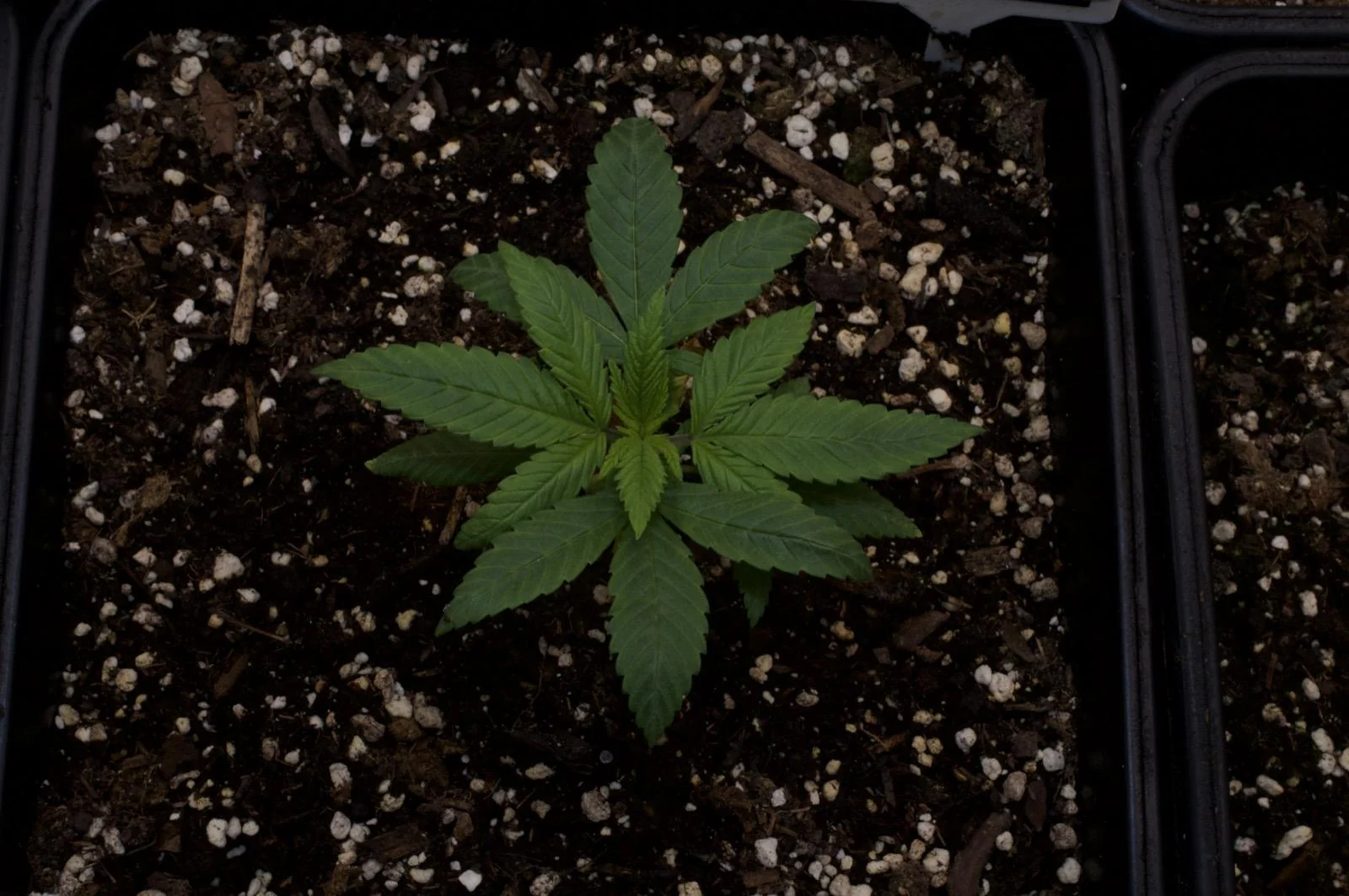
Rasol from the Parvati Valley begins an indoor run, from germination through vegetative growth.
P → F1
Why autos appear in F2, what changes in F3, and how the inheritance works in Velluto and Freaky Ryder.
Read the article
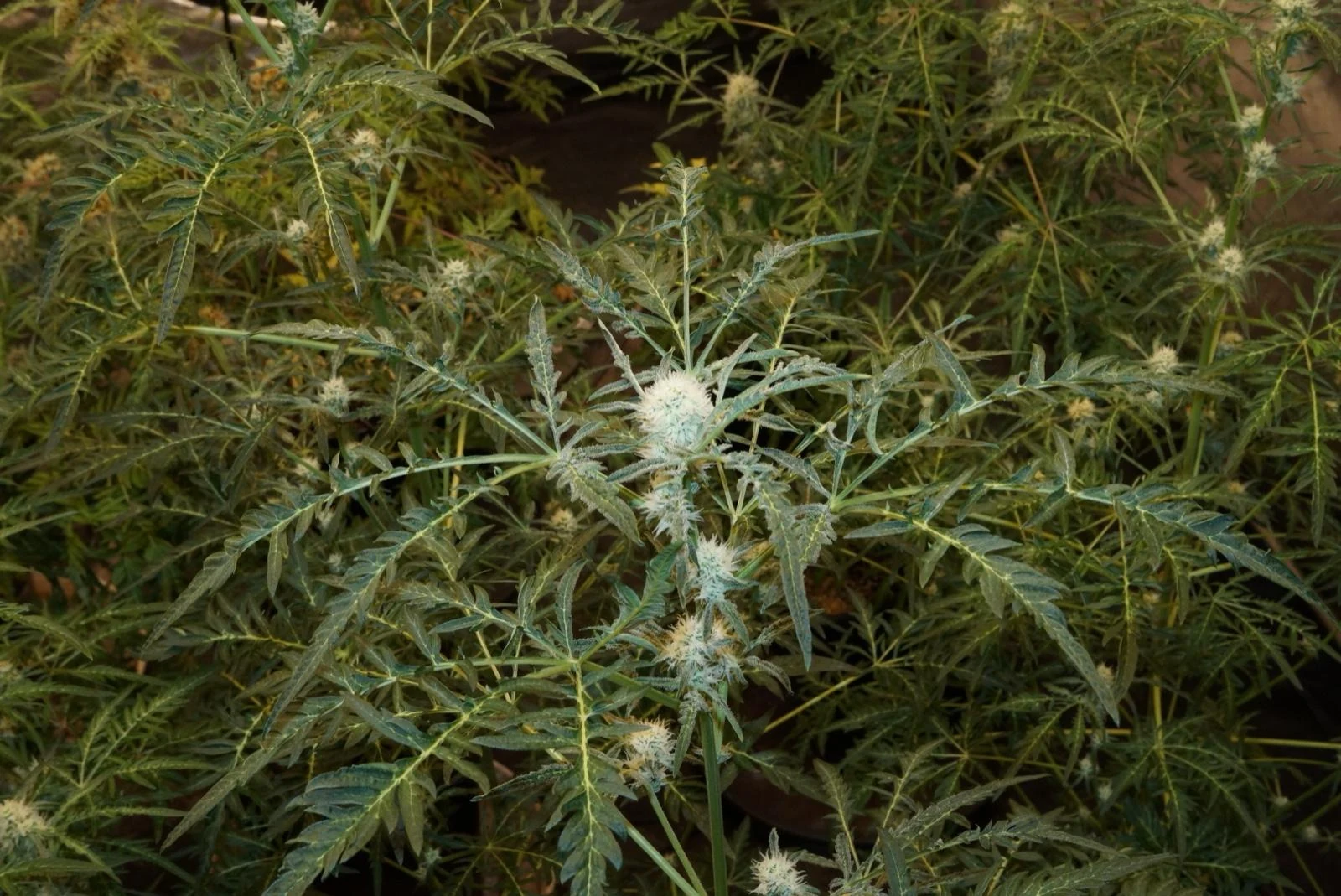
Ten rooted clones from the same selected mothers began the commercial feminized F1 run in September. The latest photographs show them in early October.
The first seed run produced regular F1 seeds and a test feminized batch. The selected Freaks of Dank mothers were preserved in clones.
Cuttings from the selected mothers rooted and grew while the original plants finished flowering, preserving each plant for the first seed run.
What the stage labels mean, how generations advance, and where Fast F1 fits.
Read the article
Freaks of Dank plants differed in leaf color, branching and canopy shape. Mother plants were selected from this group.
Joint Doctor and mutantfarmer chose Freaks of Dank × Freaky Ryder, bringing two lines with the Freakshow leaf into a photoperiod F1 cross.
Released
Why autos appear in F2, what changes in F3, and how the inheritance works in Velluto and Freaky Ryder.
Read the article
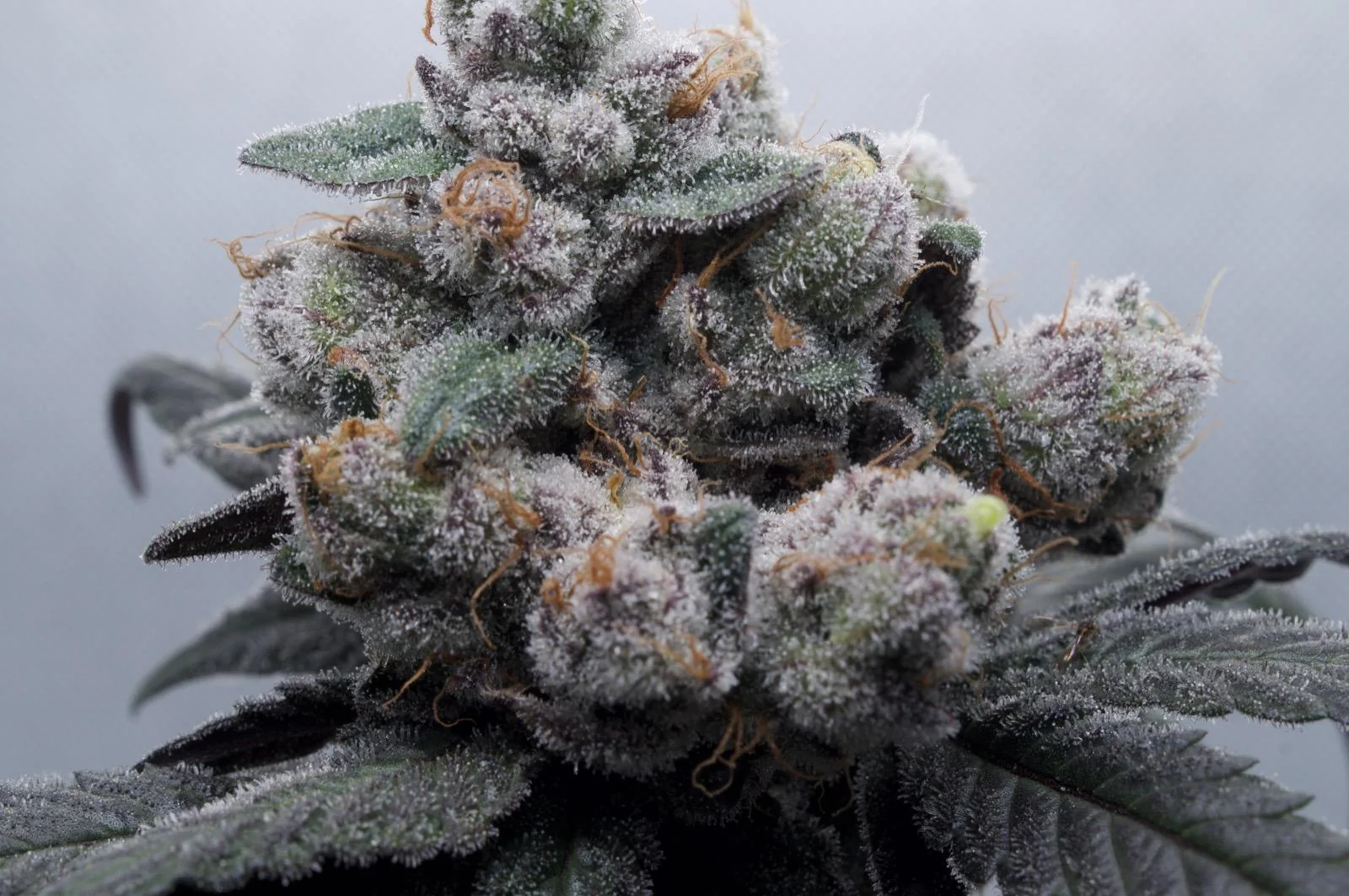
Blueberry Bastard F4 × Bastard Ryder produced regular and feminized F1 seeds, completing six months of parent selection and seed production.
What the stage labels mean, how generations advance, and where Fast F1 fits.
Read the article
Plants from the Blueberry Bastard F4 selection were assessed in flower while their clones remained in vegetative growth.
Cuttings were taken from the Blueberry Bastard F4 mothers, each retaining a rosette of ABC leaves.
Blueberry Bastard F4 showed the ABC leaf from its first true leaves, then grew into a closed canopy during parent selection.
A photoperiod mother and an autoflowering father from the same family: Blueberry Bastard F4 × Bastard Ryder, both carrying the ABC leaf.
Released
Why autos appear in F2, what changes in F3, and how the inheritance works in Velluto and Freaky Ryder.
Read the article
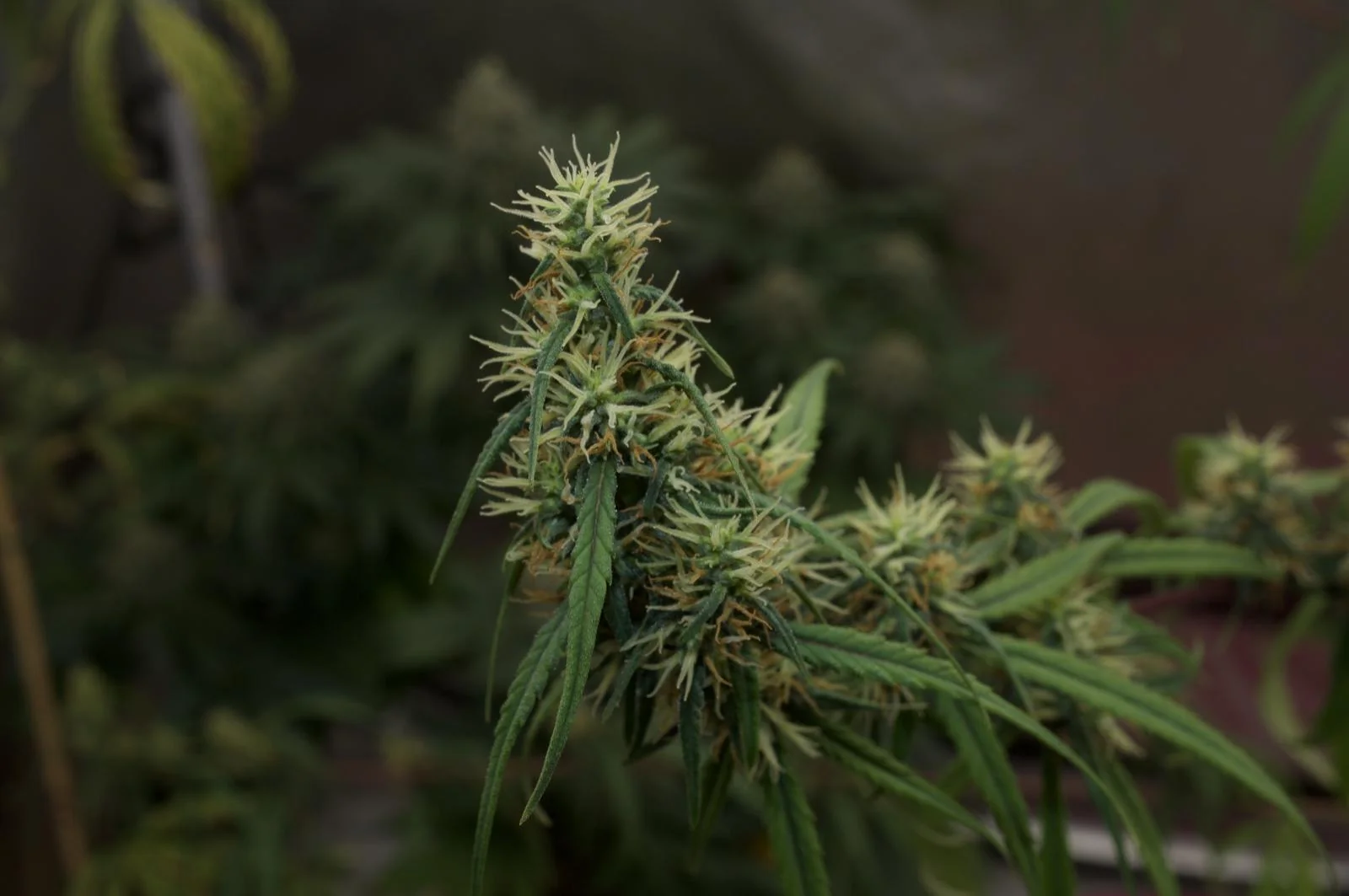
The regular F6 test reached harvest with compact plants and dense colas. The September photographs record the final structure and flower development.
Fifty plants were grown from the first run’s regular F6 seeds: 18 females and 32 males. The Freakshow leaf was visible from the seedling stage.
The first production run at Doctor’s Choice grew mutantfarmer’s F5 material and produced regular and feminized F6 seeds.
Regular Freaky Ryder debuted at Mary Jane Berlin, presented by Sasha Joint Doctor. The meeting with Seedsman began the later feminized collaboration.
What the stage labels mean, how generations advance, and where Fast F1 fits.
Read the article
From Freakshow FS#8 × Lowryder to F5 seeds: among more than 350 F2 seeds, mutantfarmer found six plants combining autoflowering and the Freakshow leaf.
Released
Why autos appear in F2, what changes in F3, and how the inheritance works in Velluto and Freaky Ryder.
Read the article
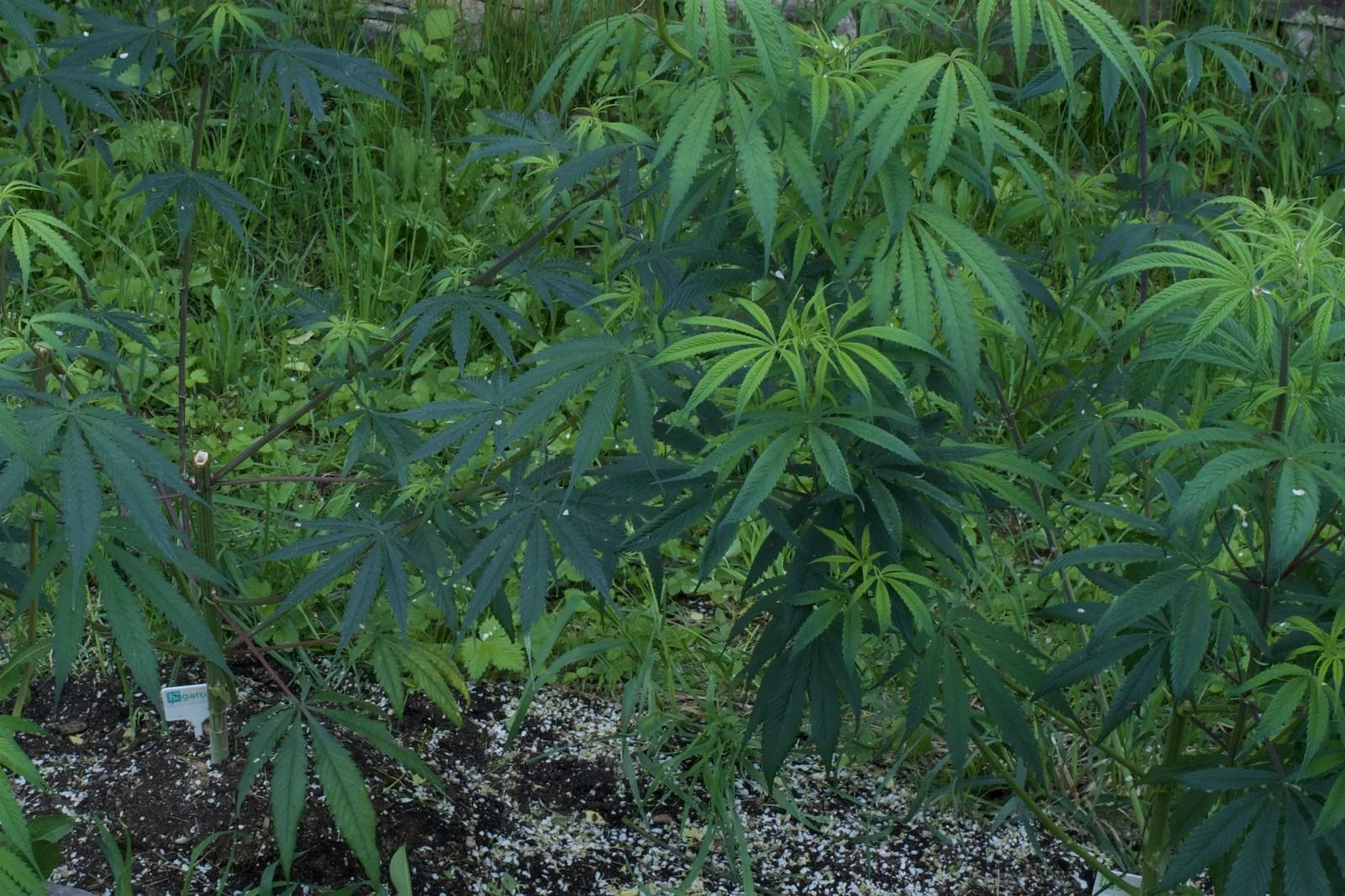
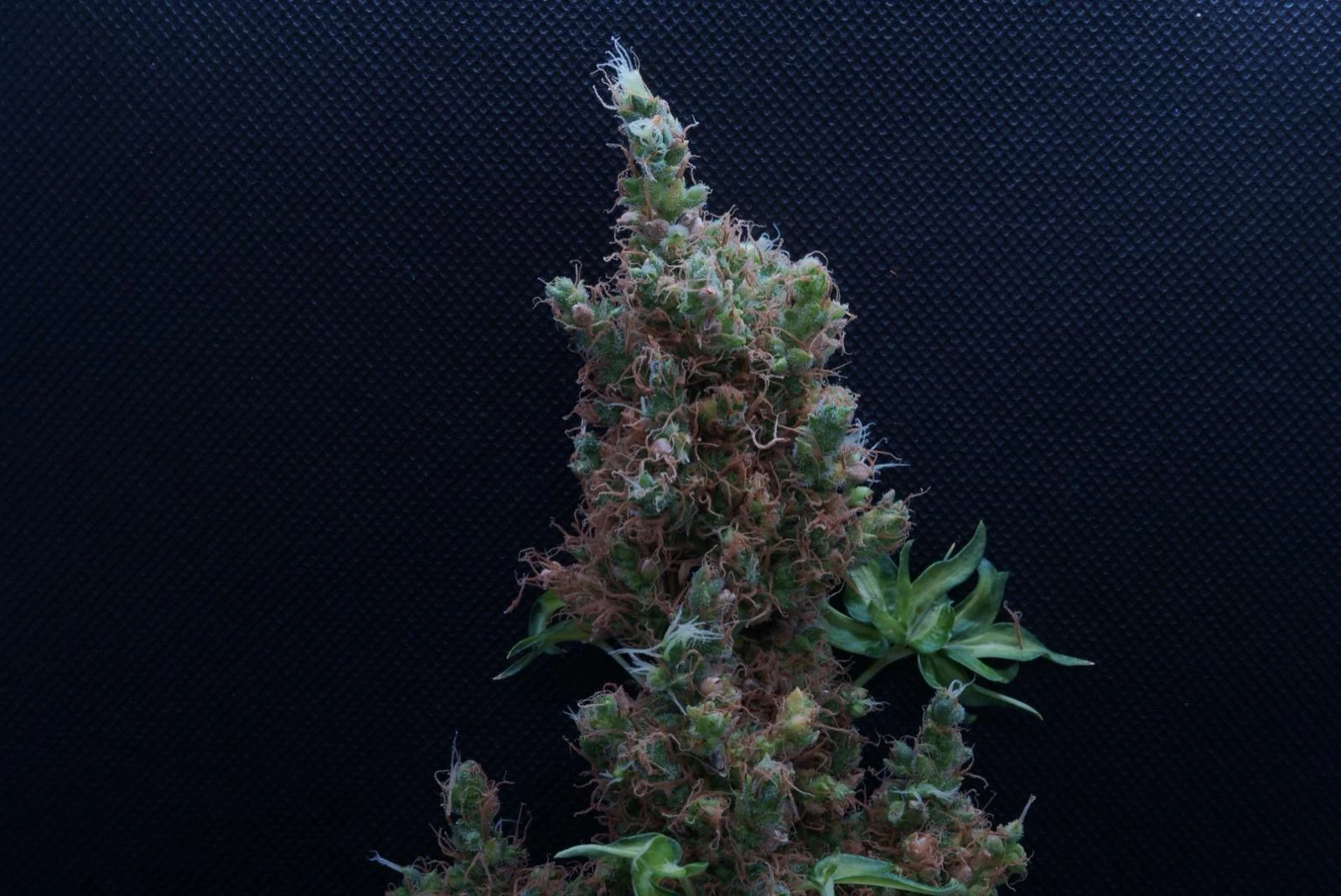
F6 seeds matured in the flower clusters. The completed production run supplied the regular and feminized Bastard Ryder releases.
What the stage labels mean, how generations advance, and where Fast F1 fits.
Read the article
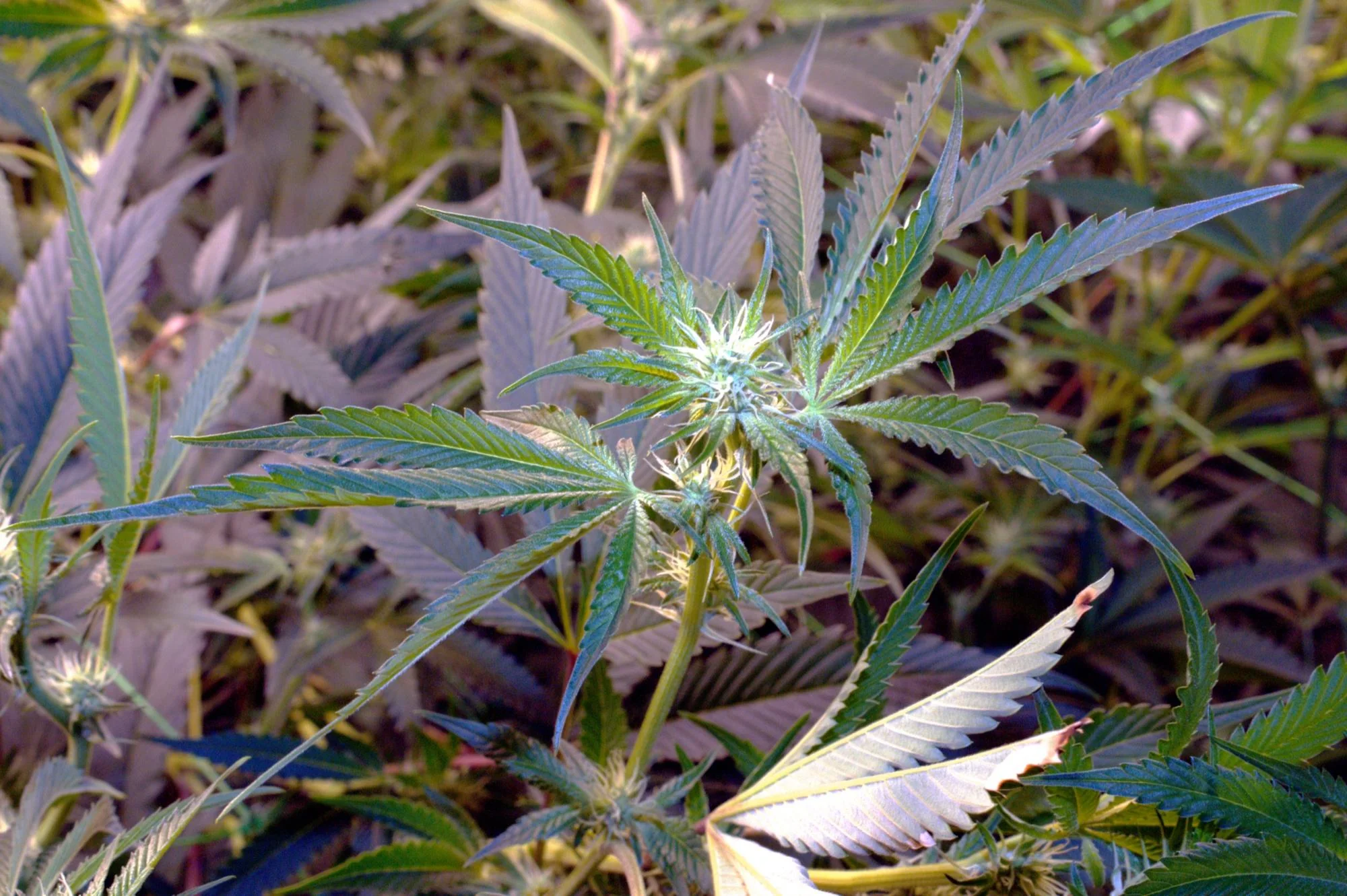
A female pollen donor supported feminized seed production in one area, while the regular plants were pollinated separately.
The production run began with fifth-generation plants from mutantfarmer’s seeds, grown as two lines marked B1 and B2.
DB#16 × Lowryder became two Bastard Ryder branches. mutantfarmer selected for autoflowering and ABC leaves through to F5 seeds.