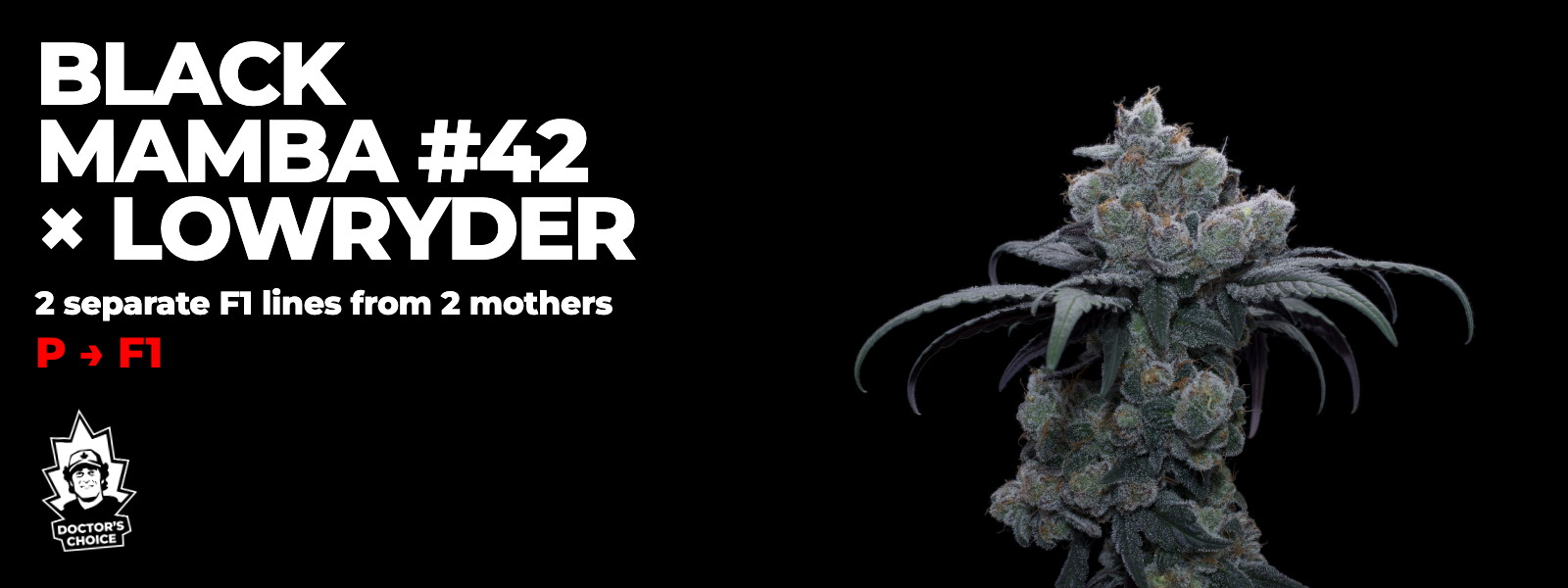
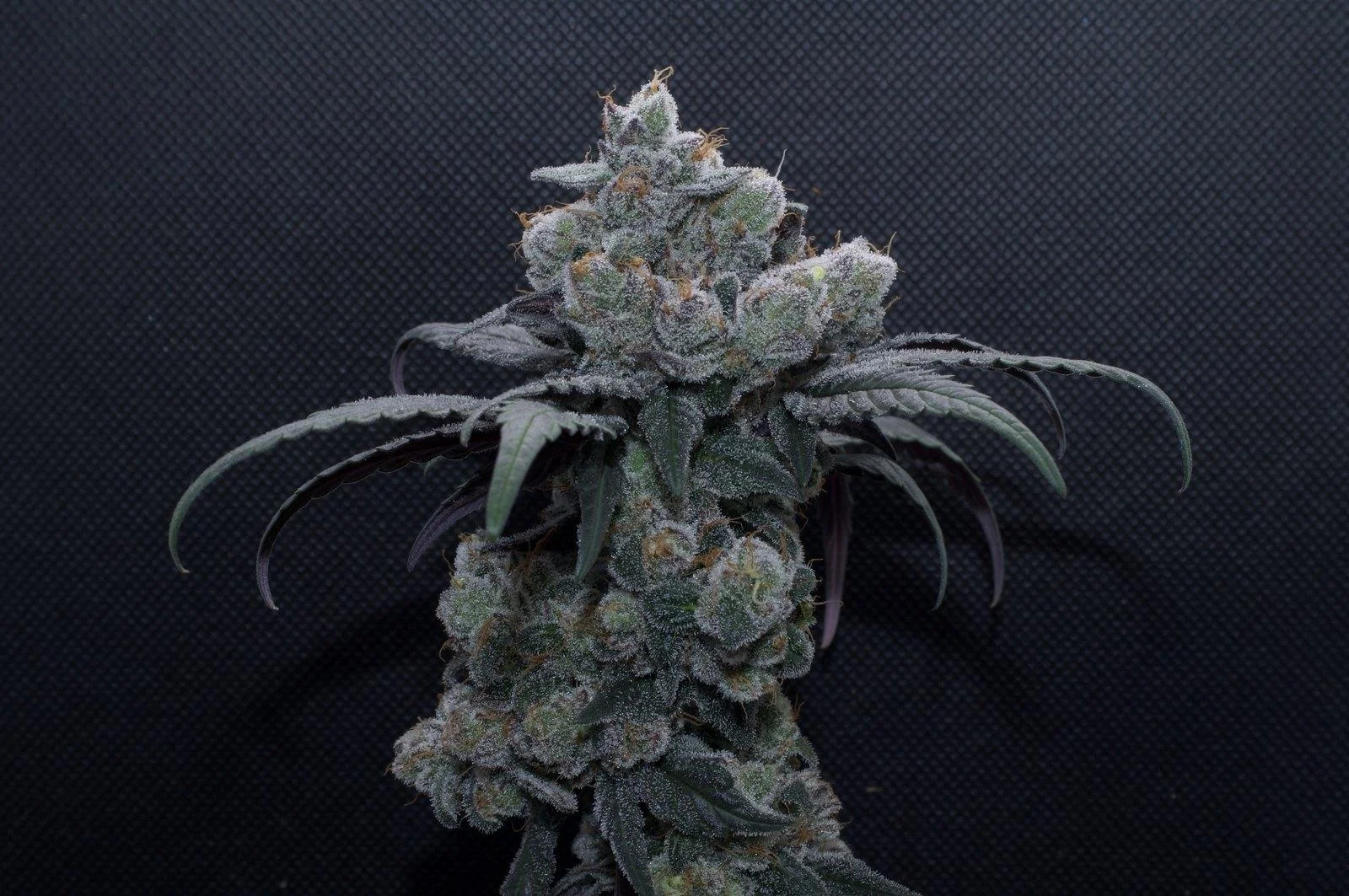
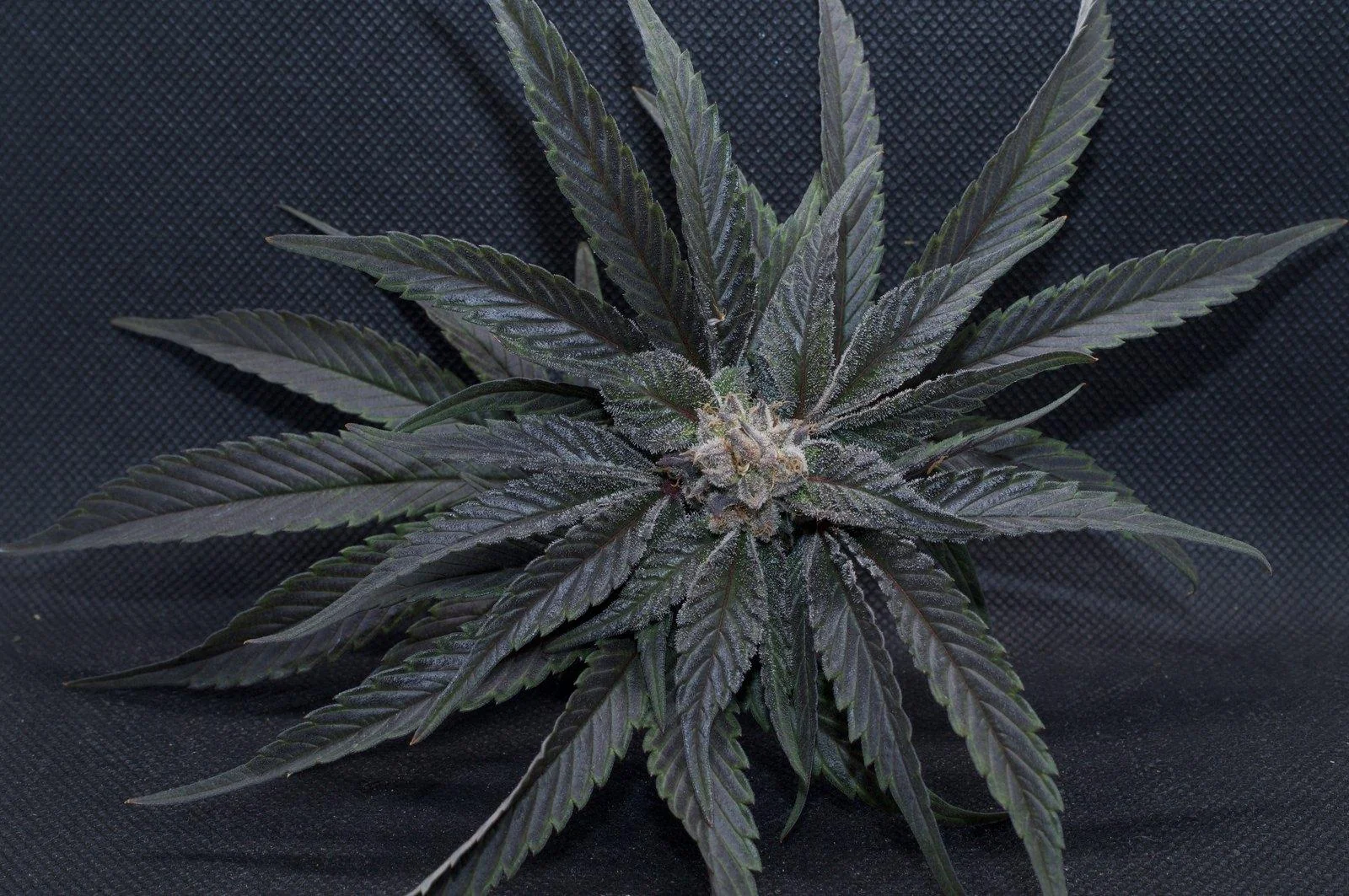
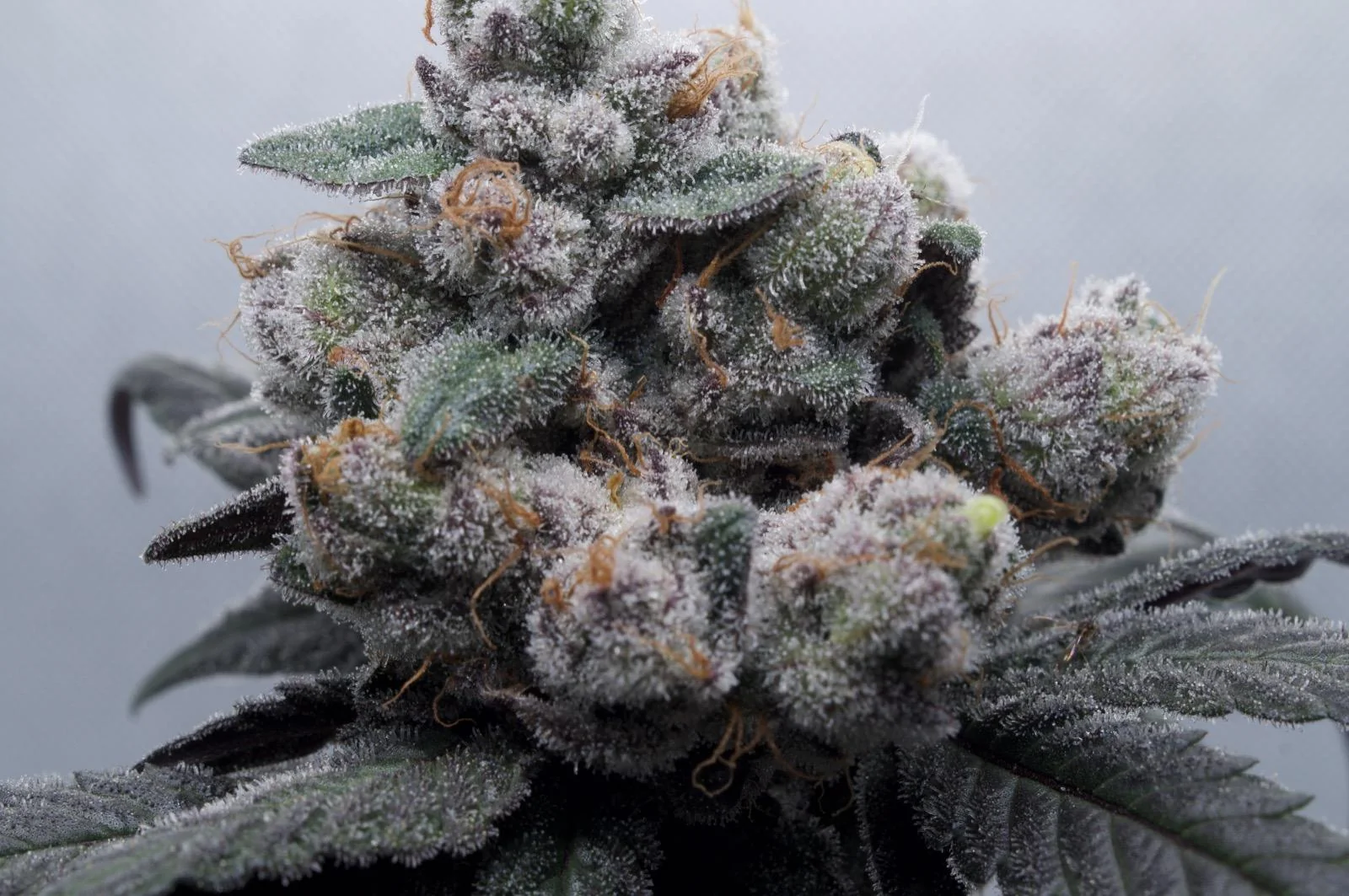
The Black Mamba #42 Auto project aims to develop an autoflowering line while preserving the mother line’s dark, ash-toned appearance and berry aroma.
Cross
Black Mamba #42 × Lowryder
Latest update
F1 seeds collected
Selection plan
Dates for future stages are estimates.
Stage
Planned work
When
Status
P → F1
Select two mothers from 20 Black Mamba #42 plants, cross each with Lowryder, and keep their F1 seeds separate.
Spring–summer 2026
Completed
F1 → F2
Grow and compare the two F1 lines separately. Cross plants within each line to produce F2 seeds.
Autumn–late 2026
Planned
F2 → F3
About one in four F2 plants is expected to autoflower. Select the best and cross them with one another.
Early–spring 2027
Planned
F3 → F4
All F3 plants autoflower. Select for Black Mamba #42 traits to make each line more uniform.
Summer–autumn 2027
Planned
F4 onward
Autoflowering Black Mamba #42 in regular and feminized versions.
2028
Planned
Log 01 / The starting point
A Shot in the Dark
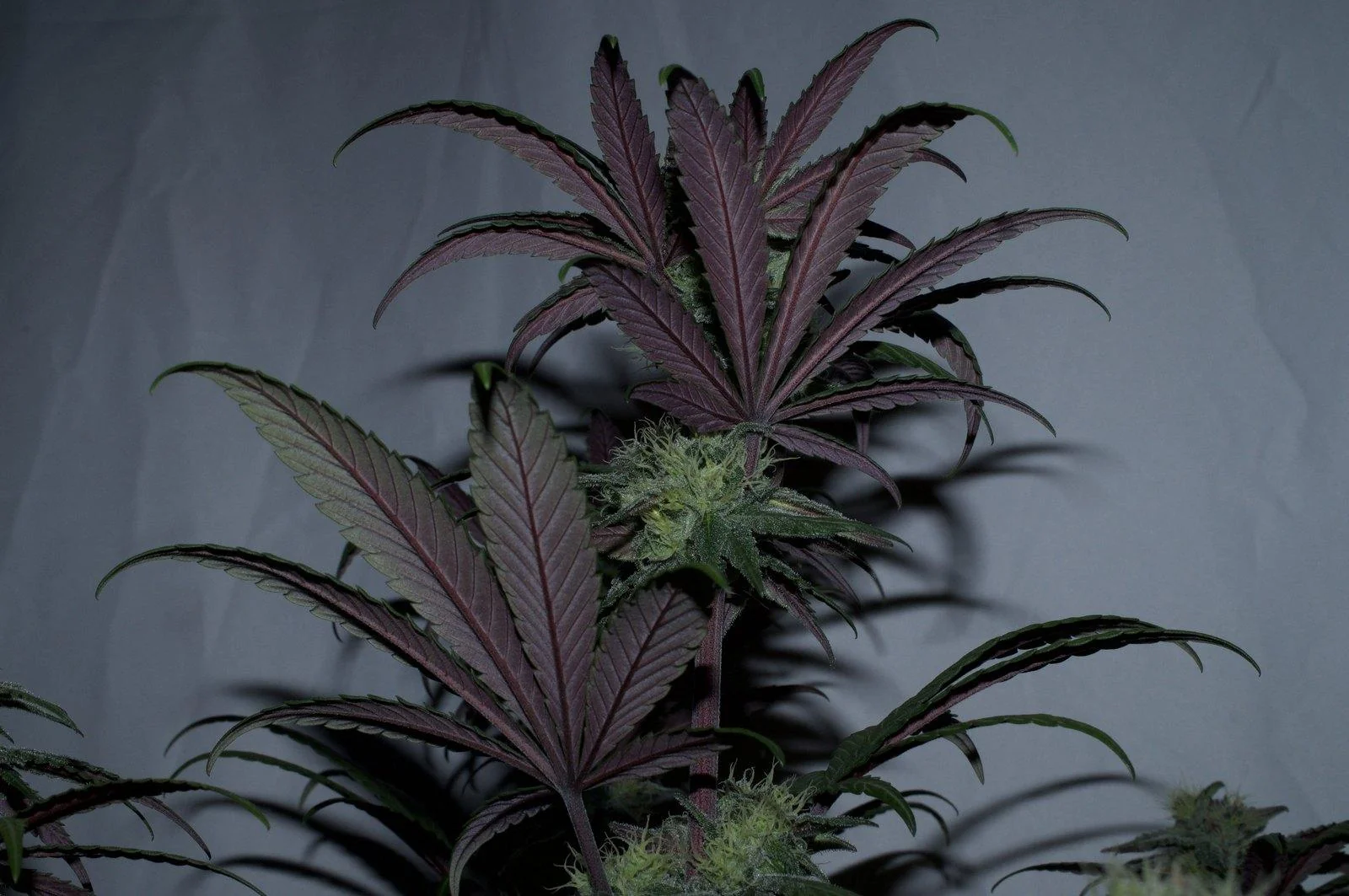
The idea is to develop an autoflowering Black Mamba #42 that retains the photoperiod line’s distinctive character: its dark, ash-toned appearance and an aroma of ripe blueberries and forest berries with creamy, earthy notes.
Black Mamba #42 comes from Morositax by Art Genetix and Blueberry by DJ Short. Morositax brings dense, resin-coated flowers and a creamy blueberry-syrup profile; Blueberry is known for its berry aroma, sticky flowers and colourful heritage. Both parents show purple colouring, while the Black Mamba #42 selection develops a deeper, almost black expression without cold treatment. Lowryder supplies the autoflowering trait for the cross.
This run took place indoors under a 650 W LED with drip irrigation. The plants grew in Terra Aquatica soil and grow bags, with Powder Feeding Hybrids and Terra Aquatica nutrients.
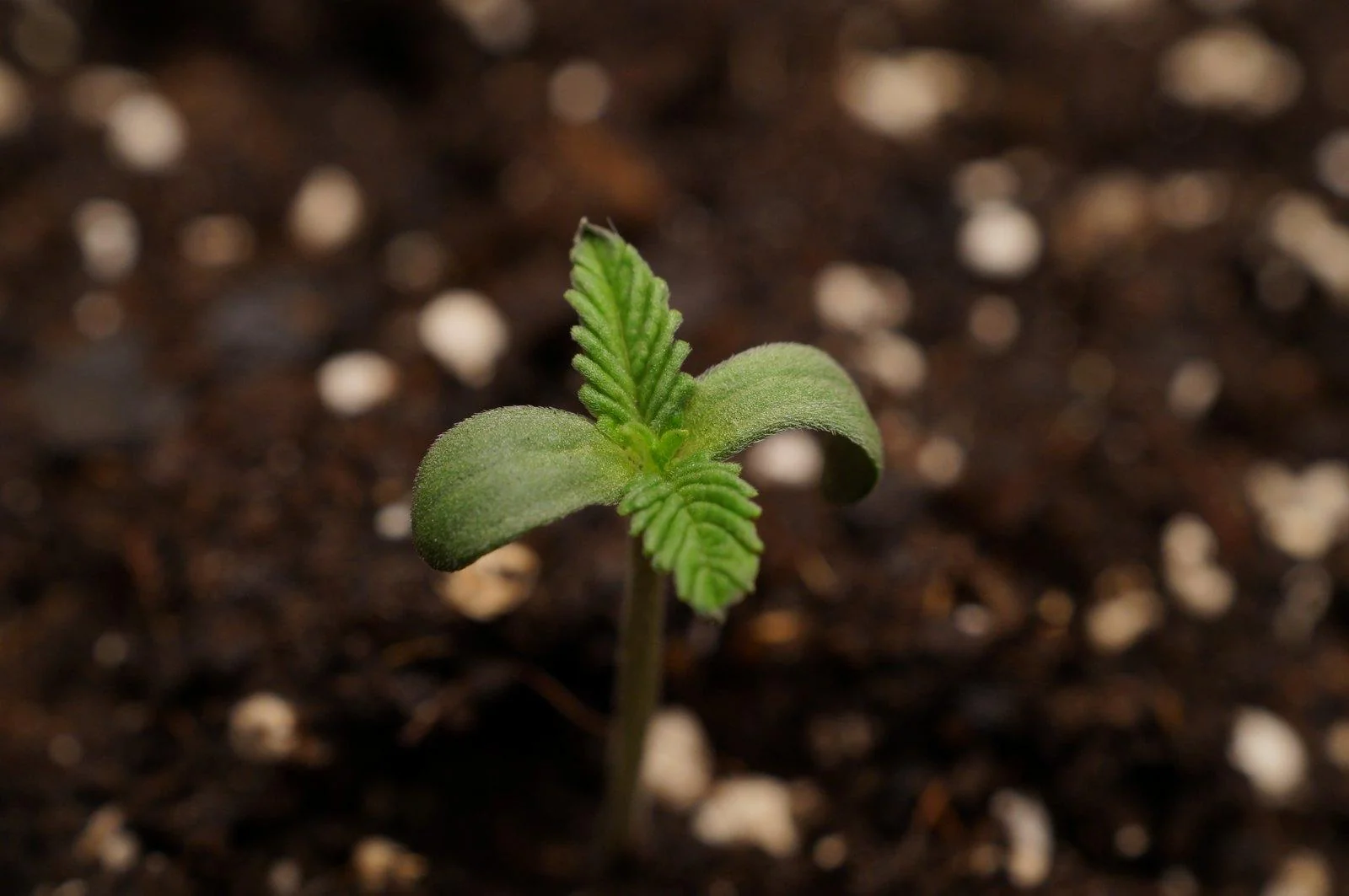
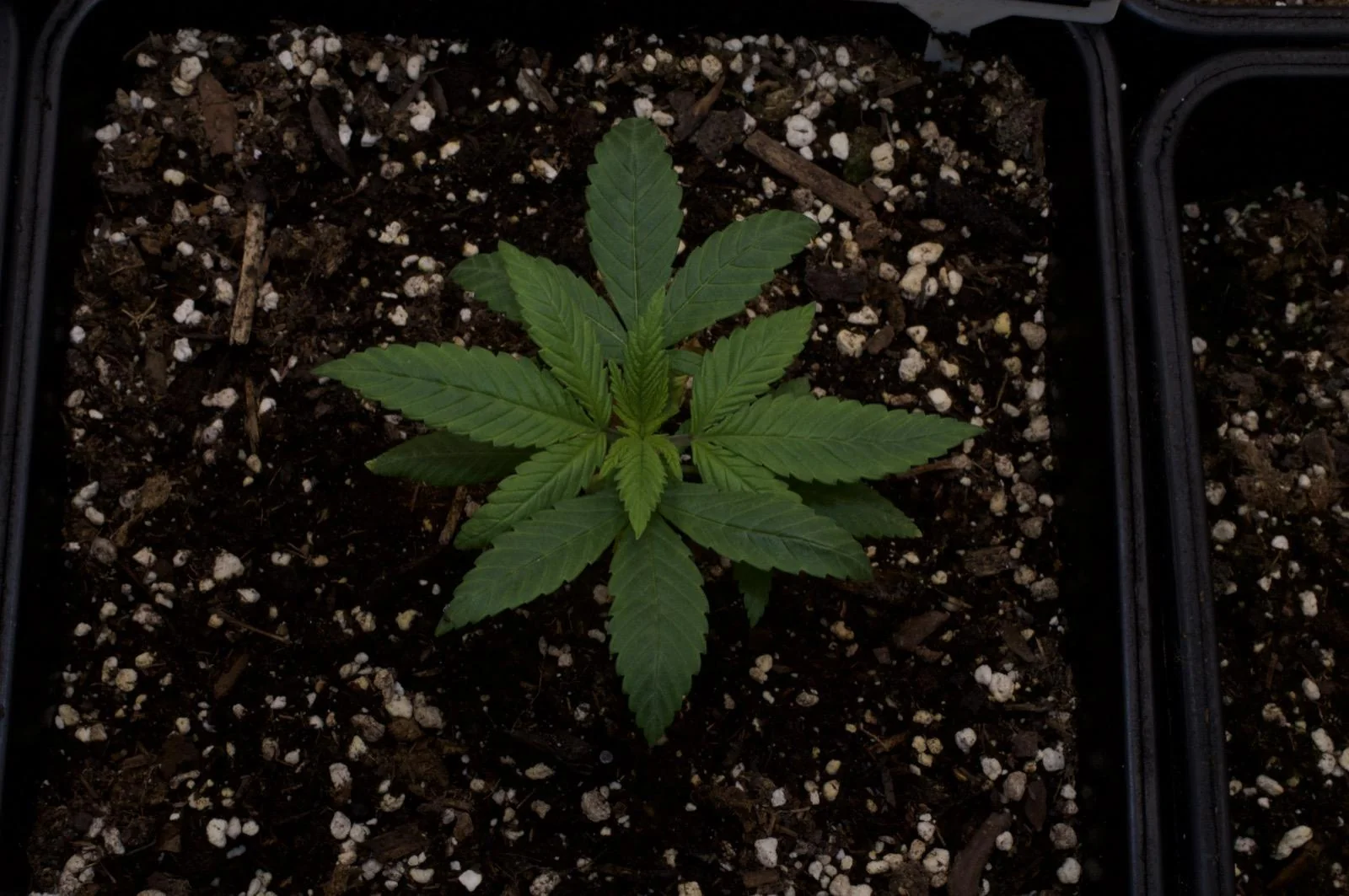
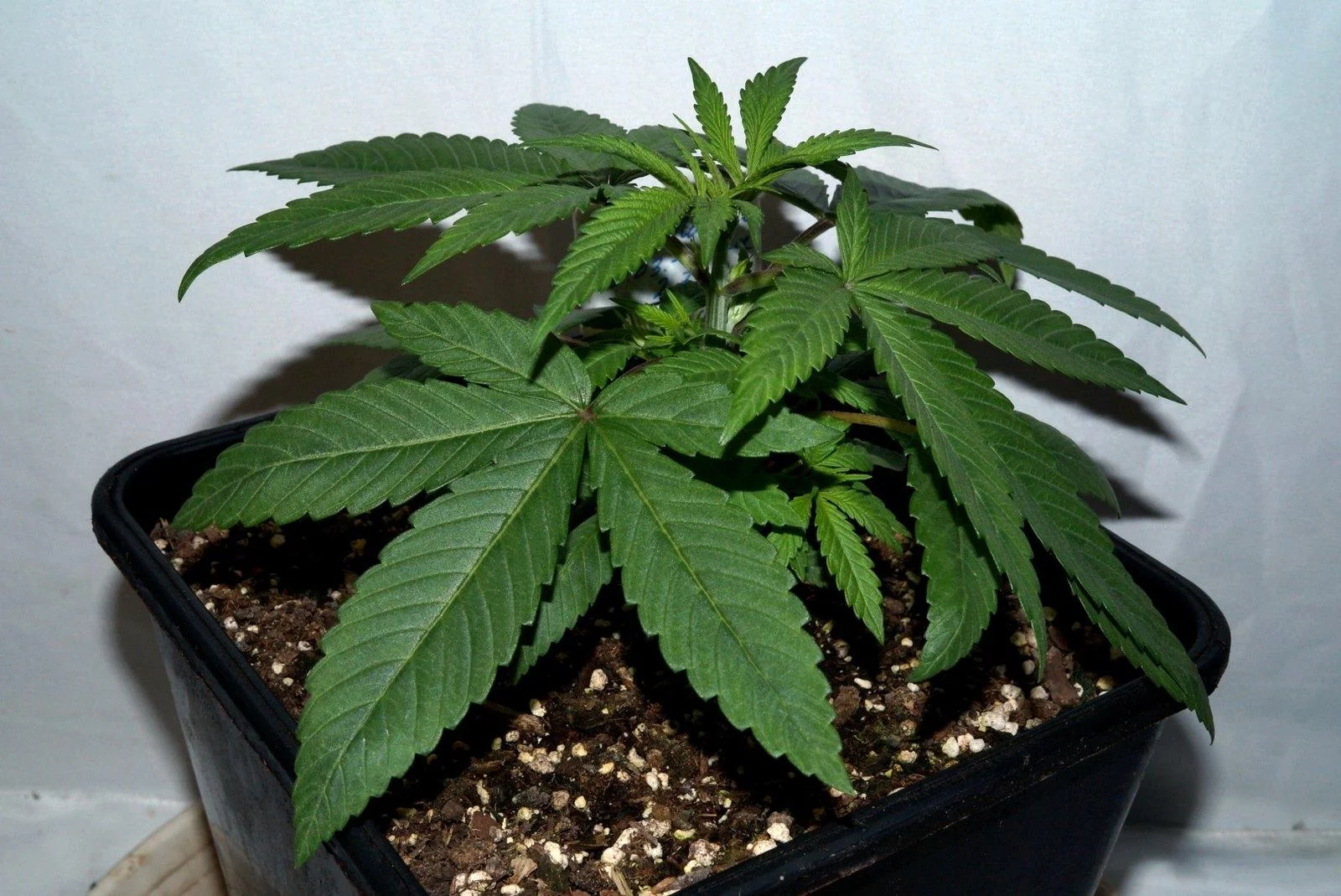
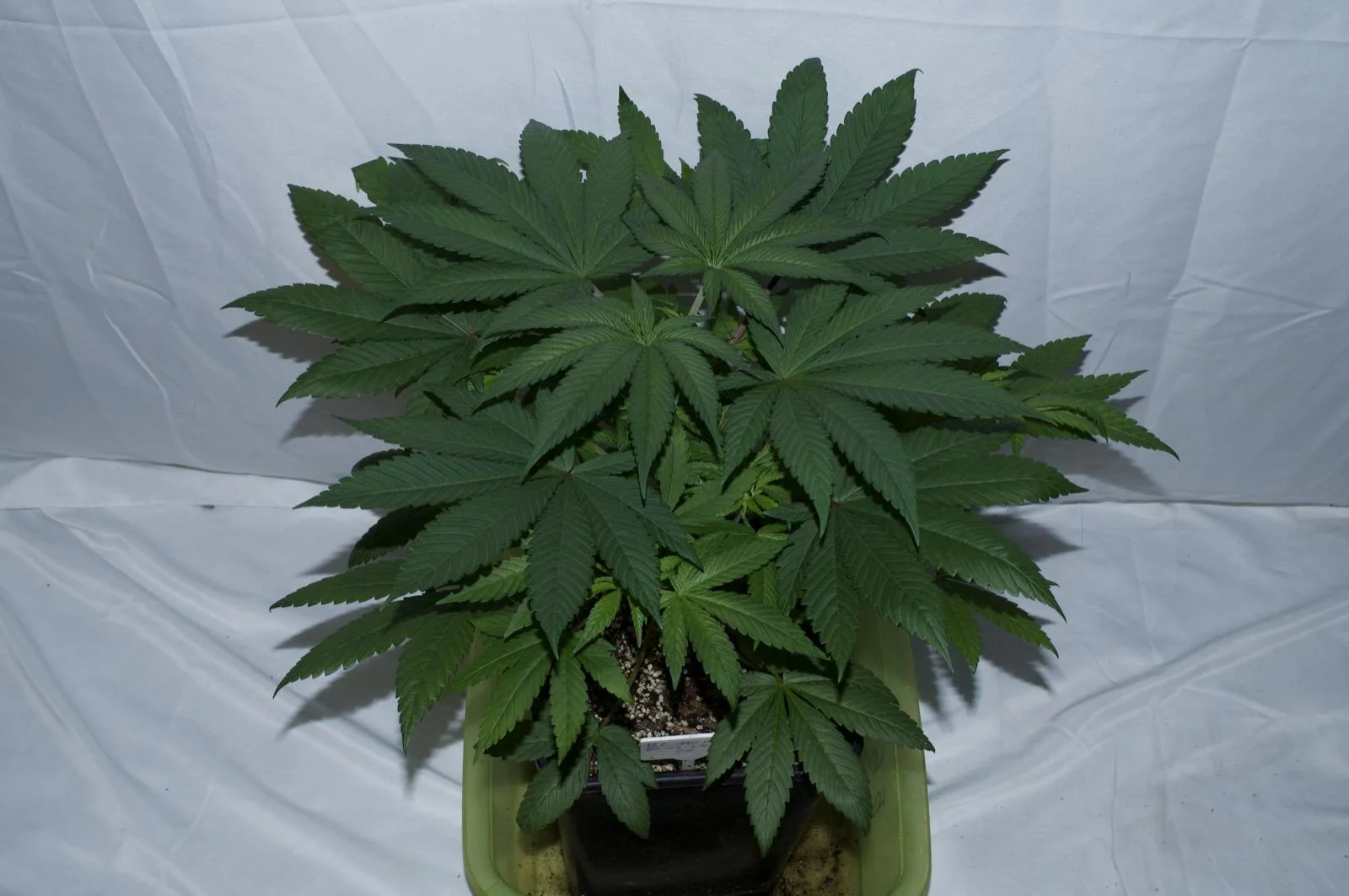
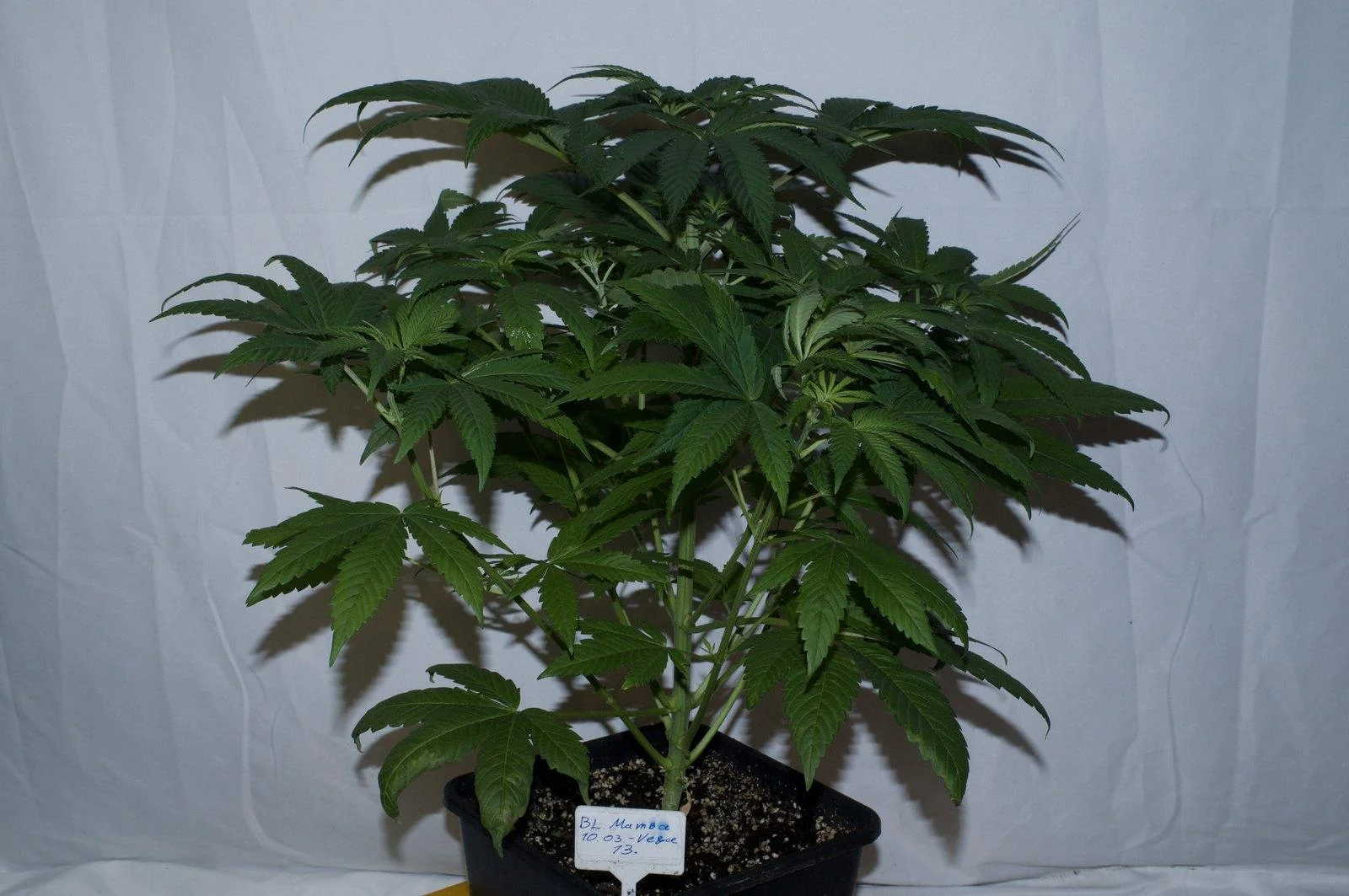
Germinated seeds went into the substrate in early March. Seedlings emerged the next day, and vegetative growth was underway by mid-March. This group would provide the mothers for the cross.
A seedling in mid-March 2026.Vegetative growth, late March 2026.Vegetative growth, side view.
Log 02 / Selection
A Fork in the Bloodline
The parent run began with twenty Black Mamba #42 plants. Two mothers stood out; both would enter separate crosses with Lowryder. The goal was the same for each cross: see whether the next generation could carry the mother line’s dark appearance and berry-led aroma alongside autoflowering.
Parent selection, late April 2026.Another plant from the group of twenty, late April 2026.
Log 03 / Parent → F1
Double Strike
Pollination and harvest
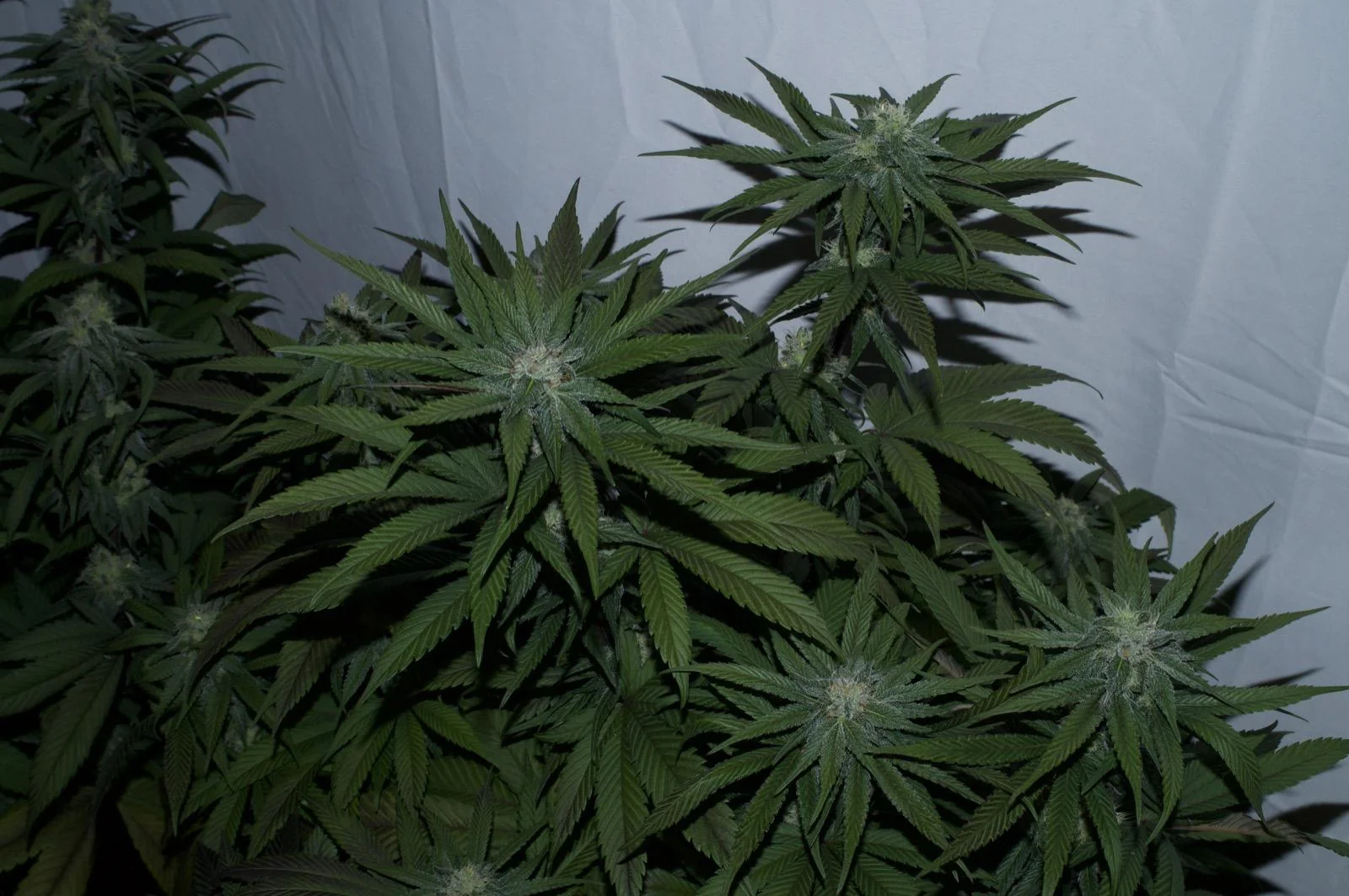
In mid-April, the plants moved to a 12/12 light cycle, and the Lowryder pollinator joined them in the tent on the same day. The first flowers appeared toward the end of April. Pollination continued until mid-May.
Flowering after pollination, late May 2026.Dark leaves near a flowering top, late May 2026.
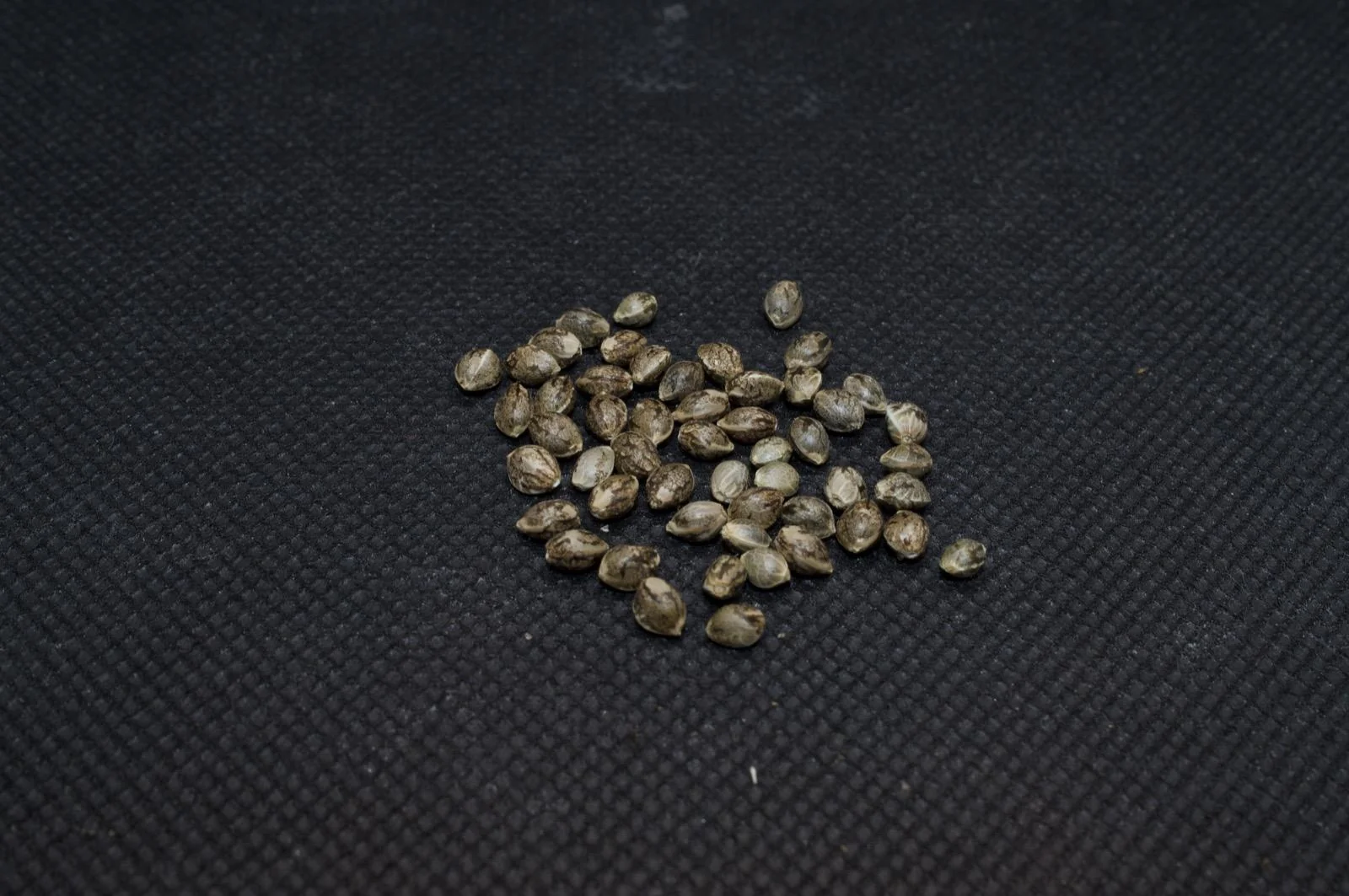
Both mother plants reached harvest at the end of June. Drying came next, followed by F1 seed collection in mid-July. Each mother’s seeds stayed in a separate batch.
A flowering top from the parent run, late June 2026.Flowering top viewed from above, late June 2026.Flower close-up, late June 2026.F1 seeds collected after drying, mid-July 2026.
What comes next
Two F1 lines now carry the project forward, one from each Black Mamba #42 mother. The next cycle will grow the lines separately to compare which maternal traits each carries.
Explore regular seedsBrowse the regular seed collection for growing and breeding projects.