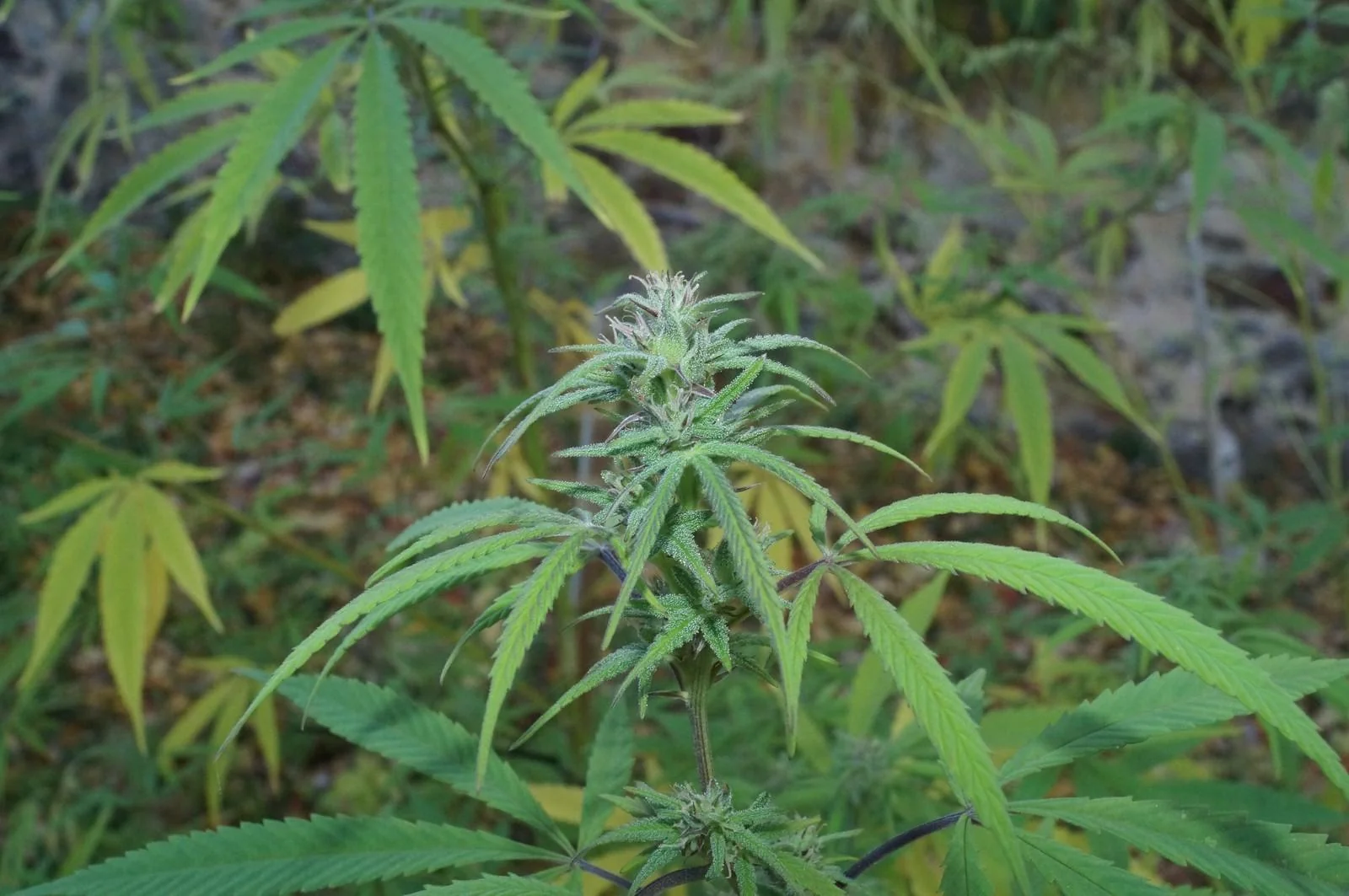
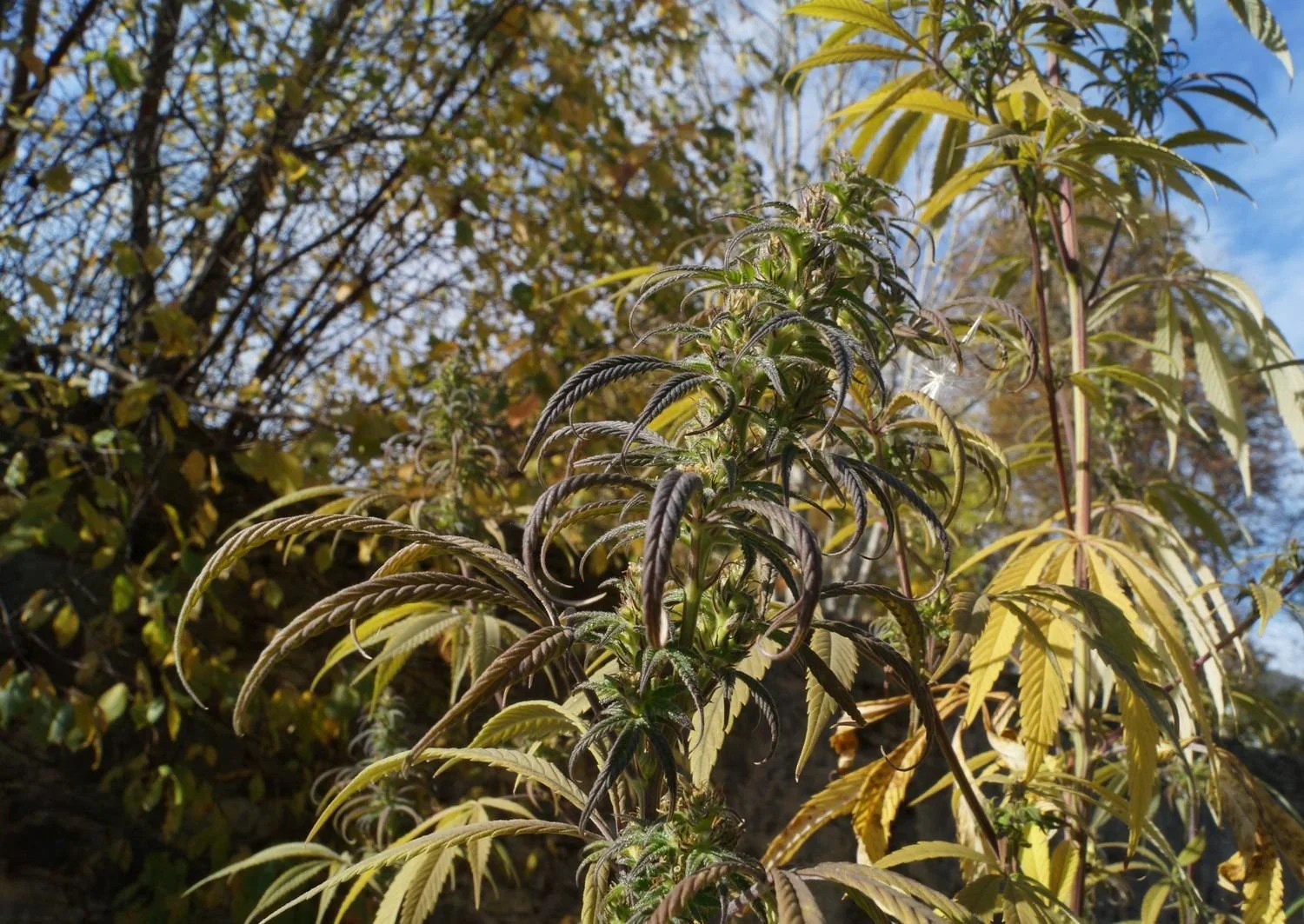
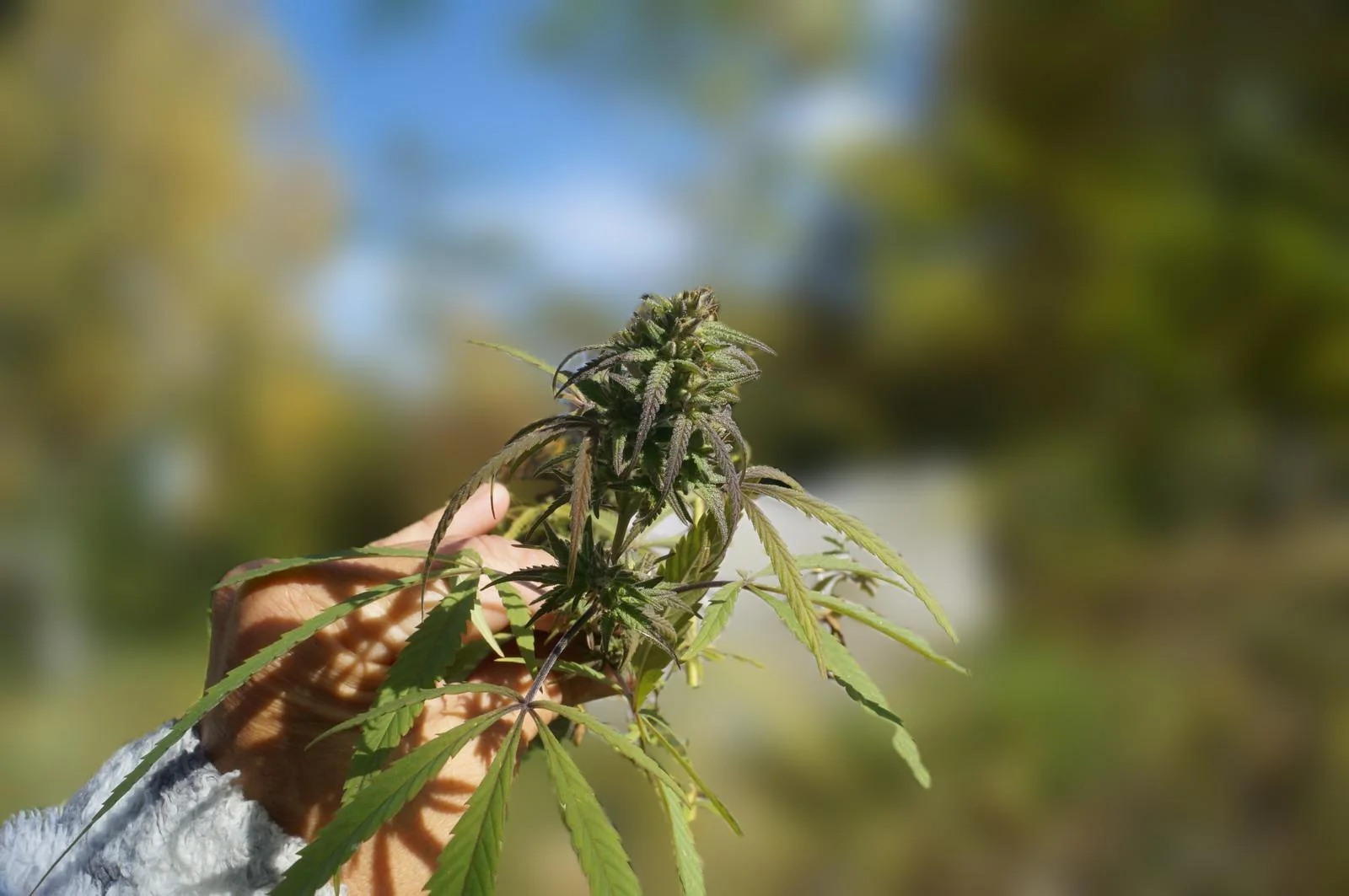
The Tulga Parvati project aims to develop an autoflowering line from the Rasol landrace and Lowryder, with the possibility of multiple harvests a year for growers in India.
Cross
Rasol × Rasol → Rasol × Lowryder
Latest update
Rasol × Rasol seeds developing outdoors
Selection plan
Dates for future stages are estimates.
Stage
Planned work
When
Status
Rasol → Rasol × Rasol
From 30 plants, keep one male and three females as parents and work toward Rasol × Rasol seed.
2026–early 2027
In progress
Parent → F1
Grow Rasol × Rasol seed, select for resin, vigor and resilience, then cross selected plants with Lowryder for F1 seed.
Spring 2027–early 2028
Planned
F1 → F2
Cross selected F1 plants to make F2 seed.
2028
Planned
F2 → F3
Look for autoflowering F2 plants, select the best and cross them. About one in four F2 plants is expected to be autoflowering.
2028–2029
Planned
F3
Aim for an autoflowering generation, then select and test indoors and outdoors.
2029
Planned
Log 01 / The starting point
From Parvati, with Love
Tulga Parvati begins with Rasol, a landrace from around the village of Rasol in India’s Parvati Valley. Fritz, a phenotype hunter who travels to collect local genetics and occasionally shows up at expos to sell seeds to people who believe in others, supplied the seeds for this project. The longer-term aim is an autoflowering line that could allow Indian growers more than one harvest in a year. The first step stays with Rasol itself: grow the starting material, select parents, and produce Rasol × Rasol seed. A cross with Lowryder comes later.
The starting material
The source description places Rasol at around 3,048 m, with cool, wet summers and snowy winters. It describes an April-to-November growing season, flowering of 10–13 weeks, outdoor height of 1.8–3 m, and aromas of tutti-frutti, mint, berry jam and saffron.
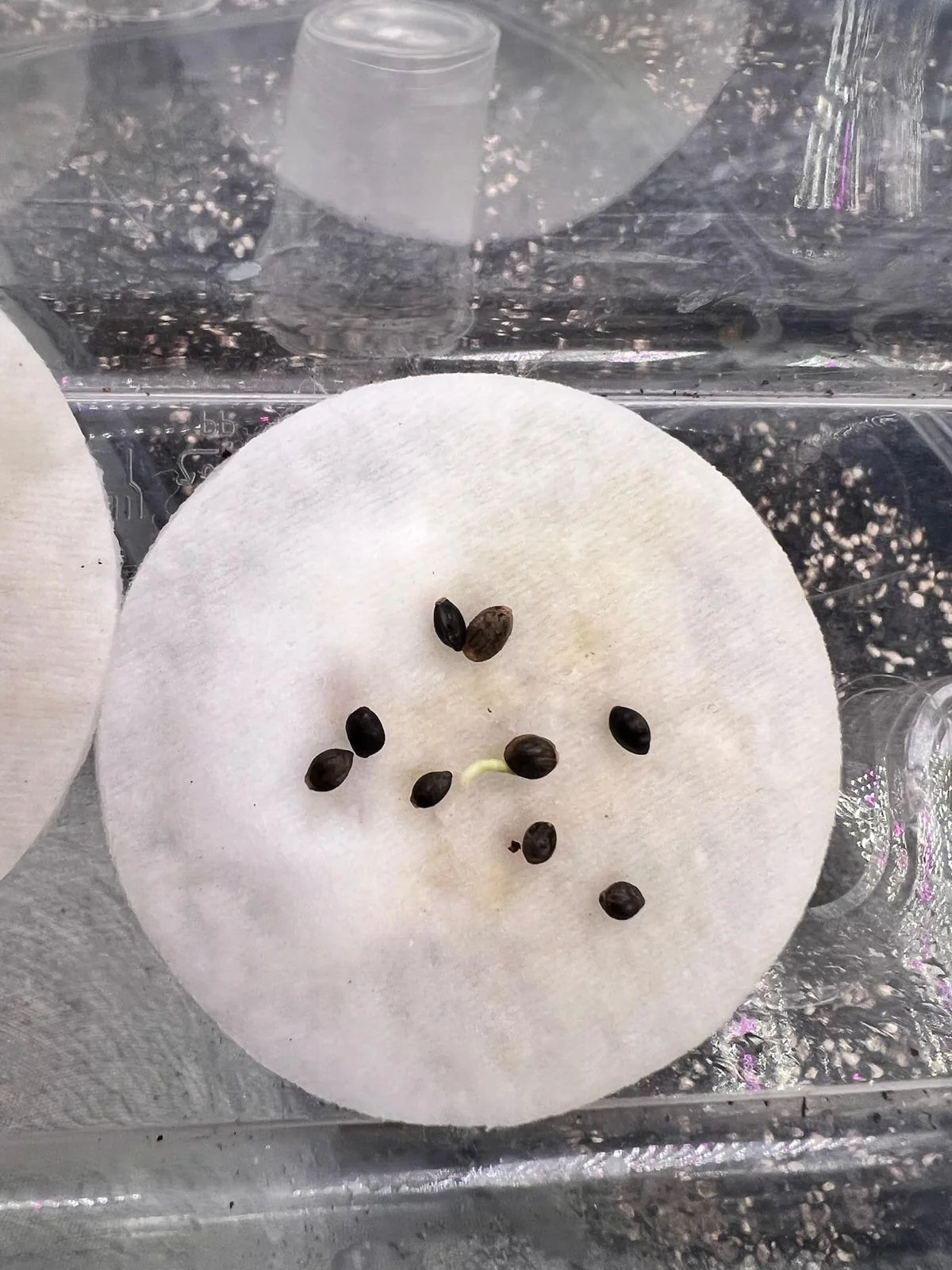
Rasol seeds germinating, February 2026.
From seedlings to vegetative growth
The seedlings began life indoors under a 650 W LED with drip irrigation and continued into vegetative growth there. The plants grew in Terra Aquatica soil and grow bags, with Powder Feeding Hybrids and Terra Aquatica nutrients. The outdoor site for the next phase sits at 840 m.
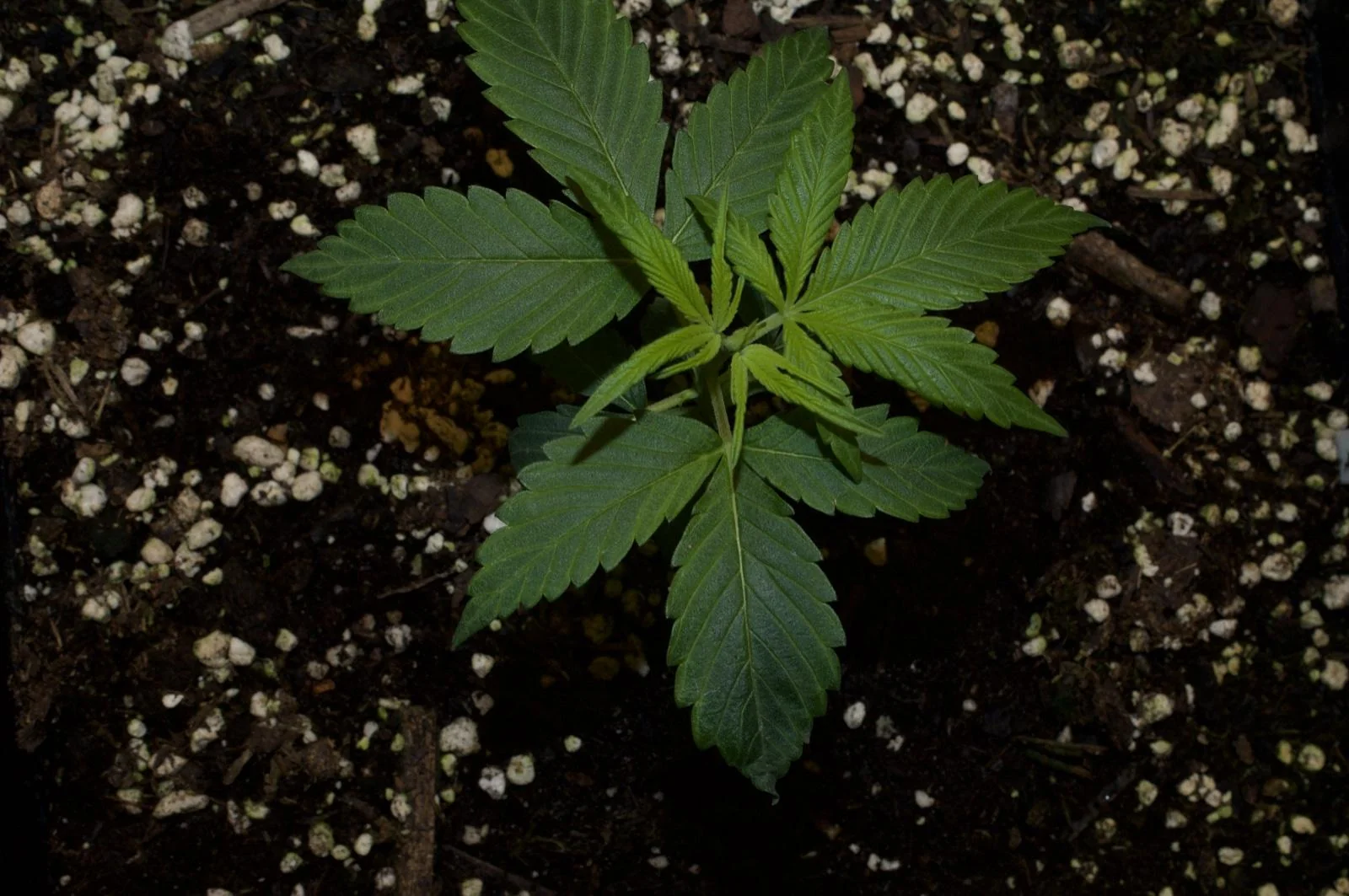
Rasol seedling, March 2026.
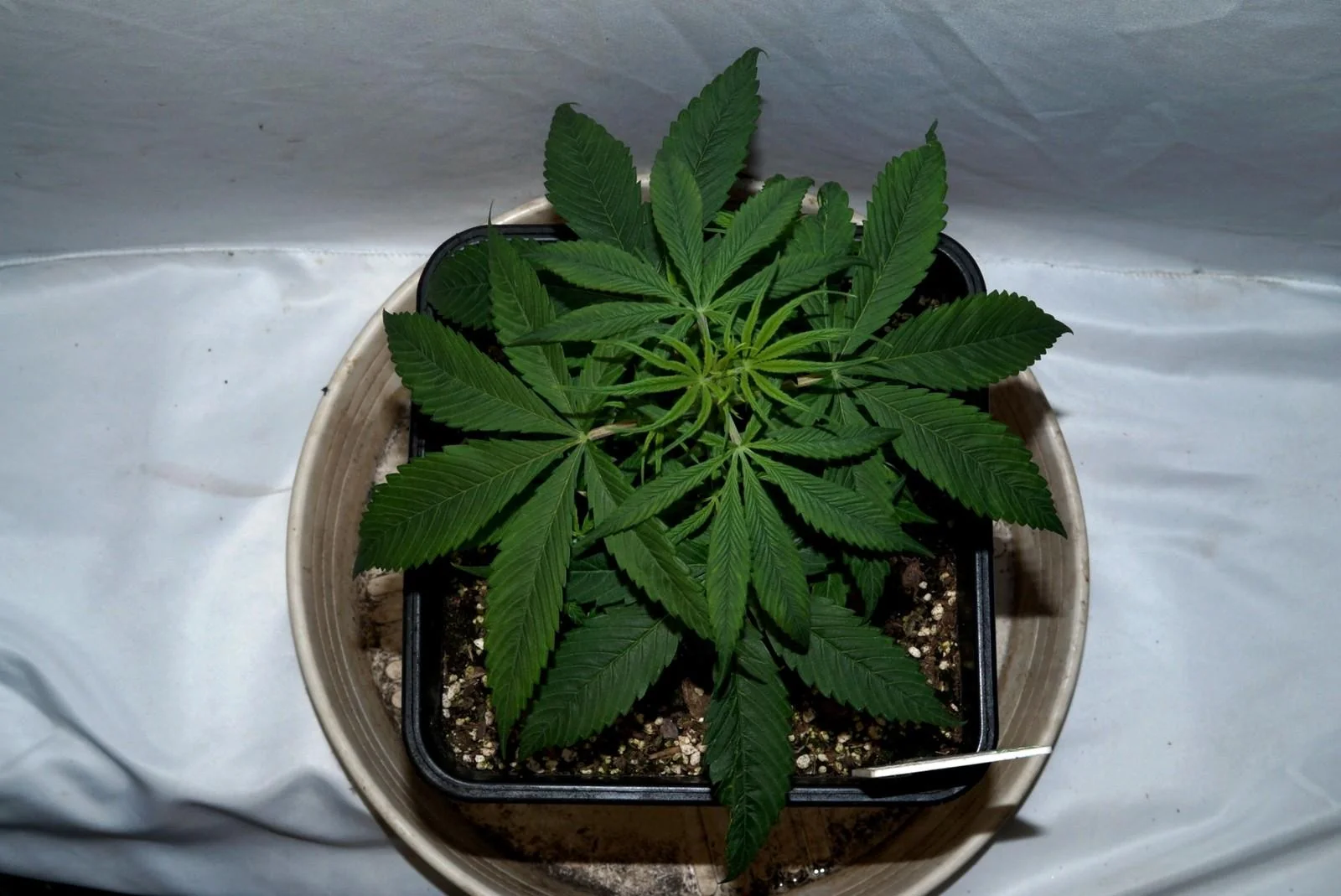
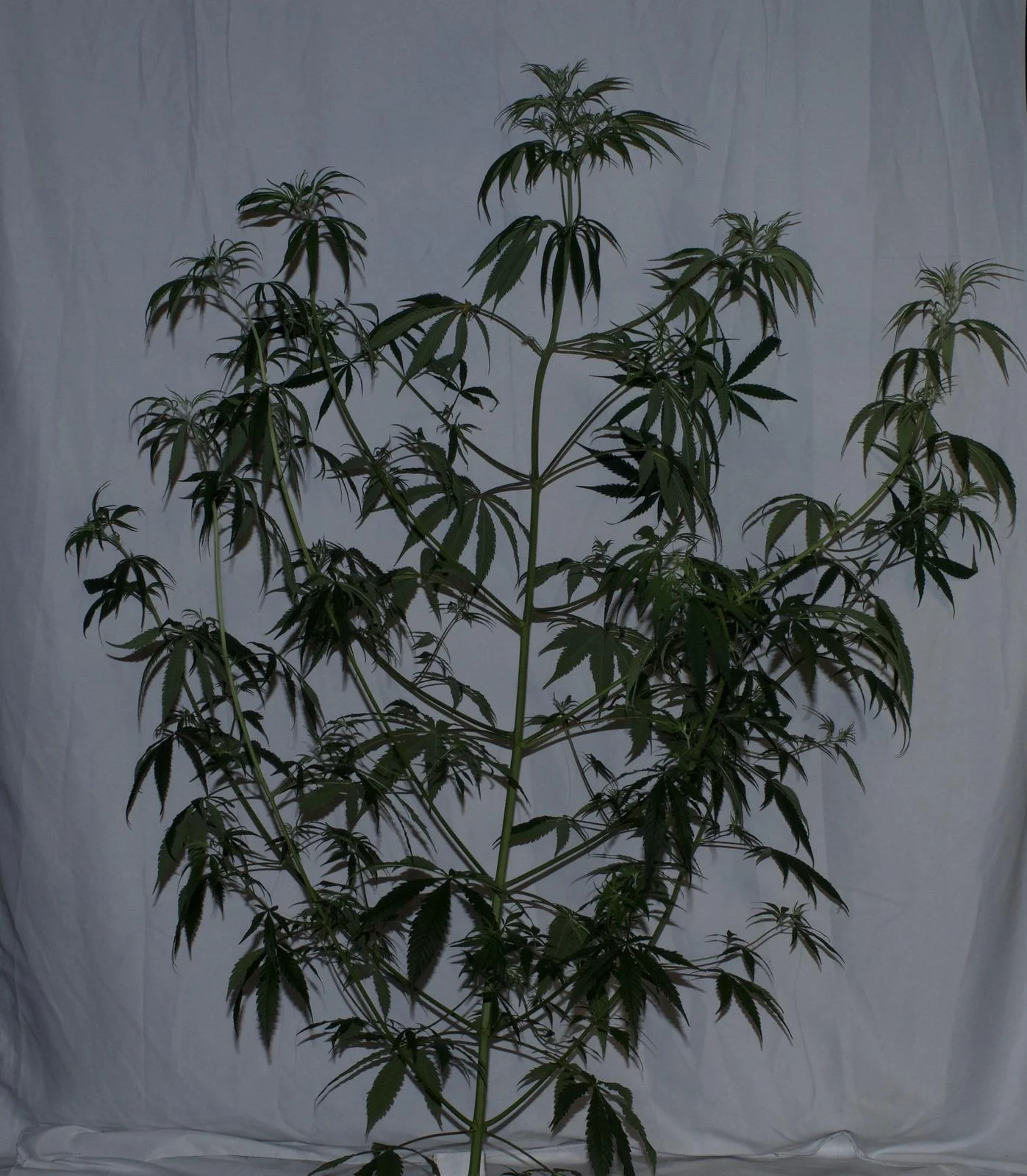
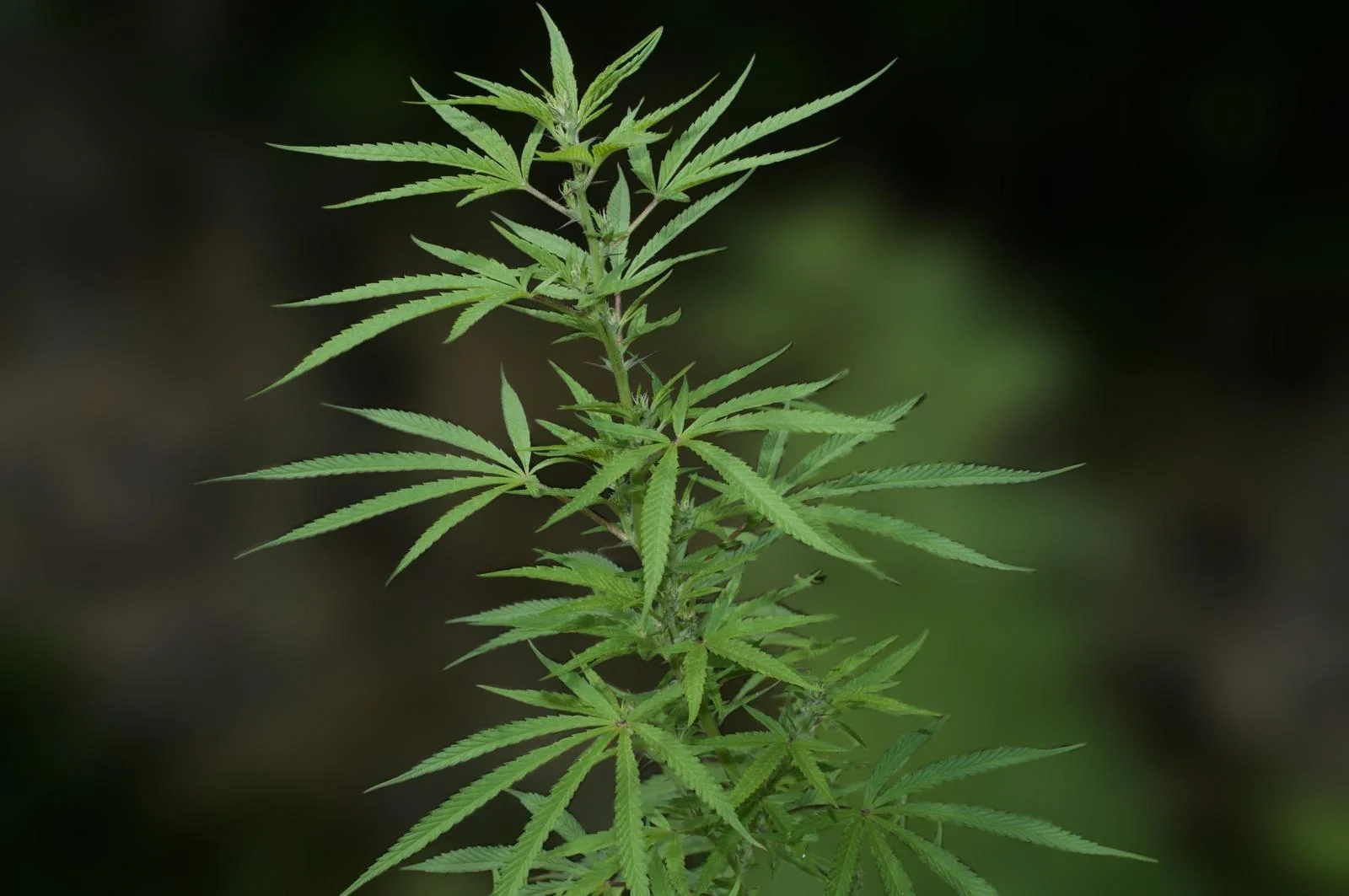
In this grow, Rasol has shown a sativa-like frame: long branches, good lateral growth, an open canopy and narrow, elongated leaves.
Rasol in vegetative growth indoors, early April 2026.Long branches and an open canopy, late April 2026.
Log 02 / Selection
One Him, Three Hers
Selection narrowed an initial group of 30 Rasol plants to one male and three females as parents for Rasol × Rasol seed.
Clones preserve all four selected plants. Some remain in the mother room; other female clones are flowering indoors, allowing comparison of the three candidates through harvest. The outdoor plants are there to adapt and produce Rasol × Rasol seed for the next selection round.
Into the outdoor bed
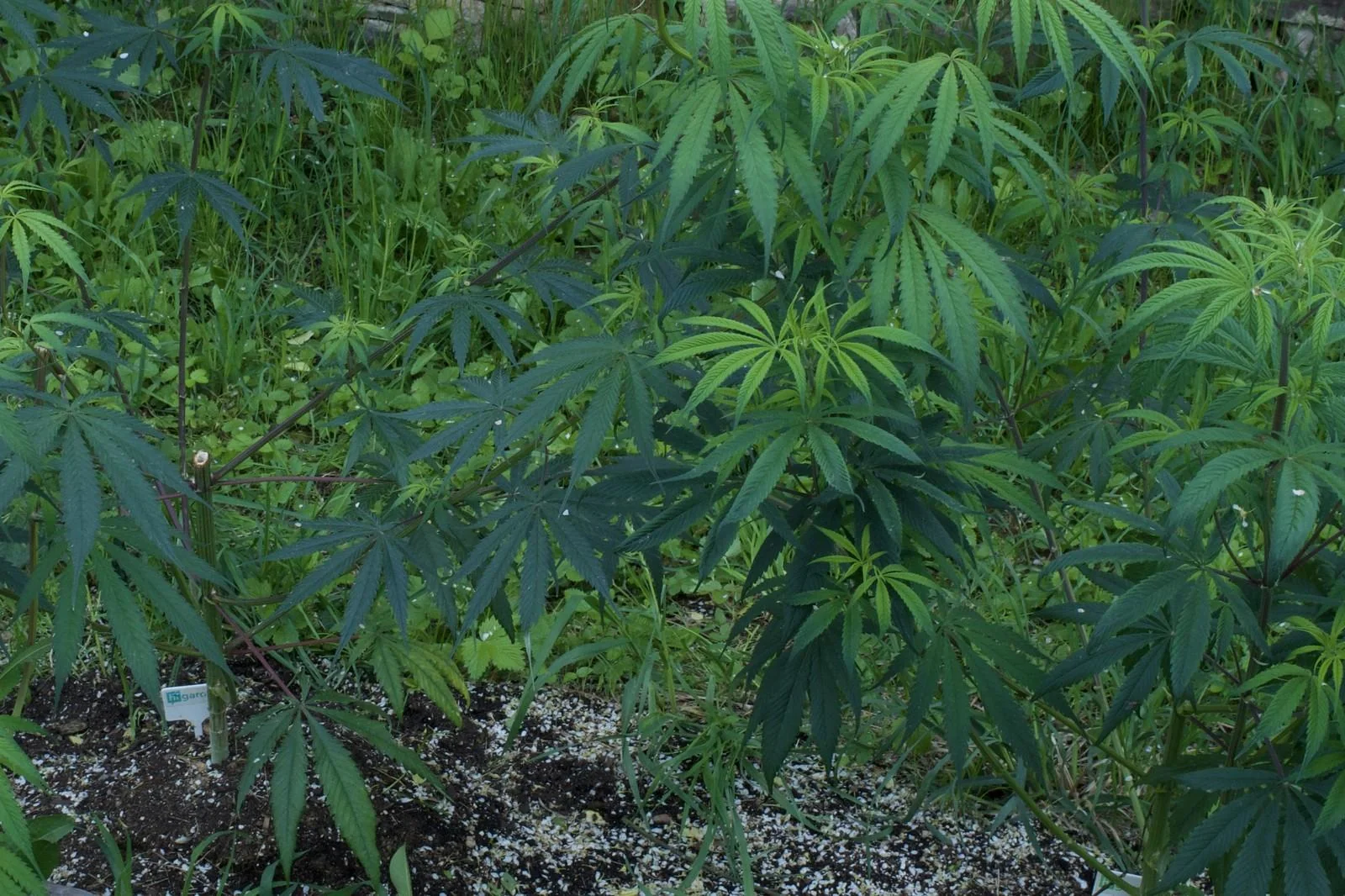
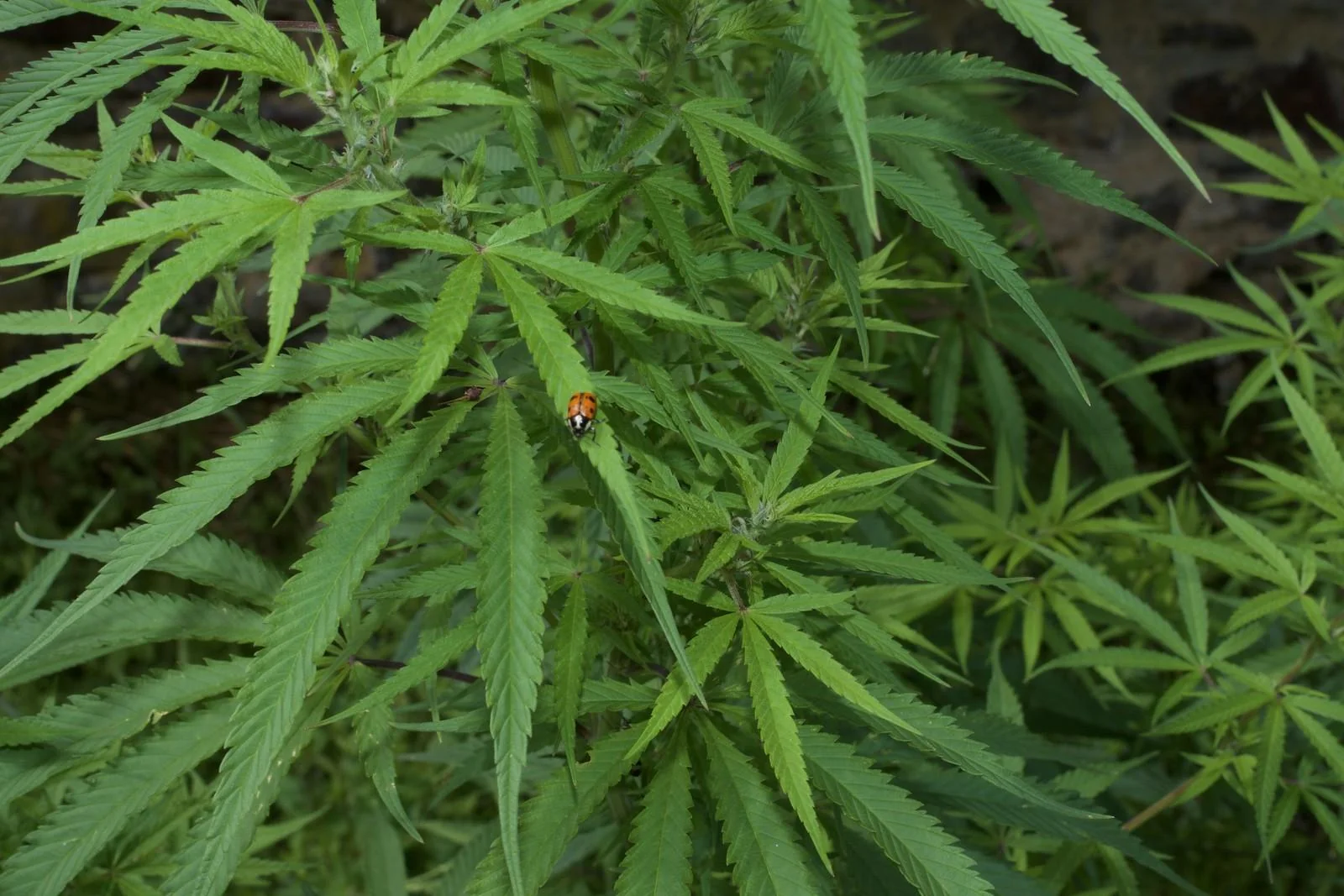
The selected plants moved outdoors in early April. By mid-May the bed was established, and the late-May photographs show how the plants were developing in the open air. The next Rasol × Rasol generation will supply candidates for the later Lowryder cross, with resin, vigor and resilience guiding selection.
The Rasol bed outdoors, mid-May 2026.Rasol outdoors, late May 2026.
Log 03 / Flowering
He Made the First Move
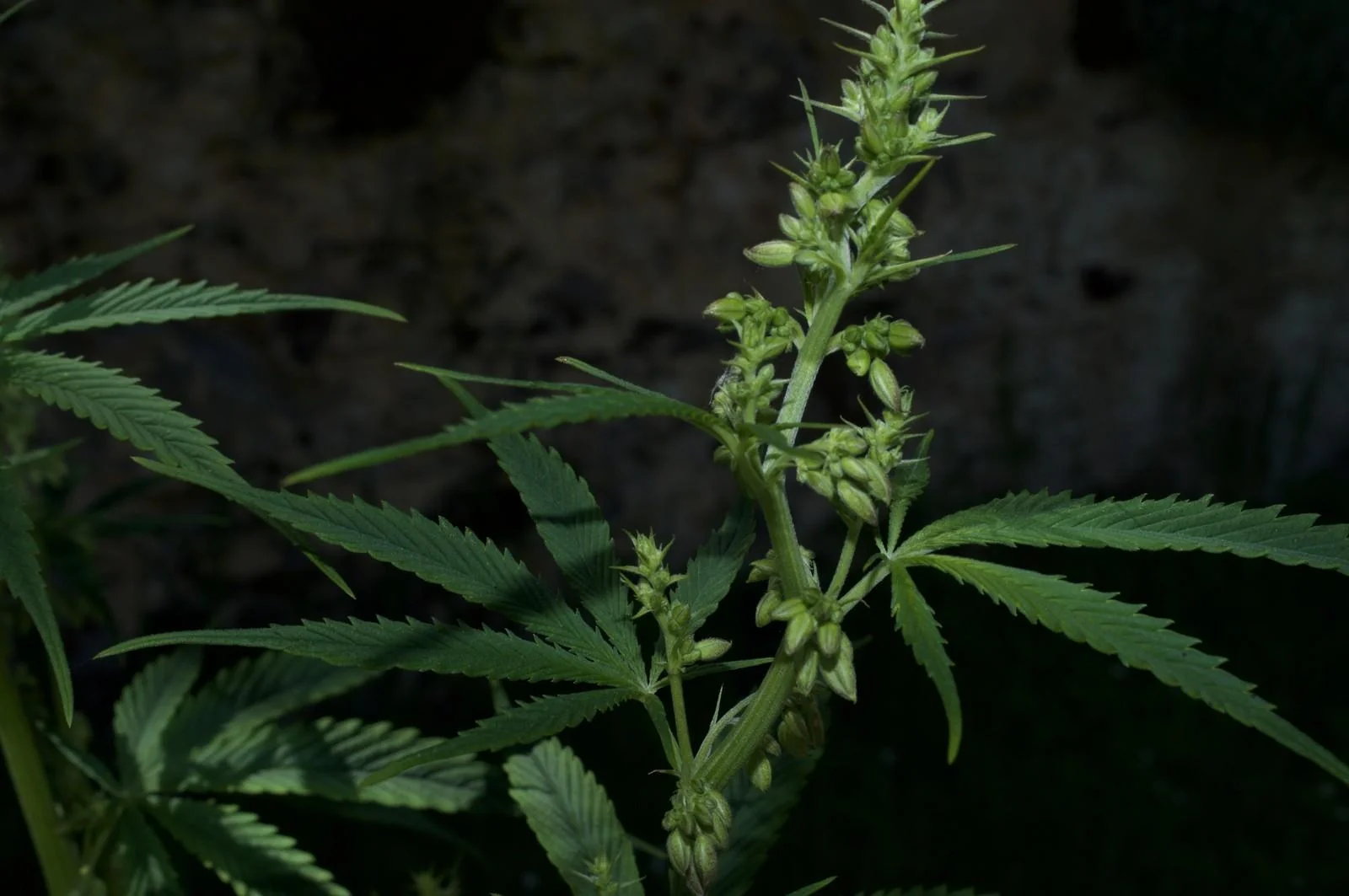
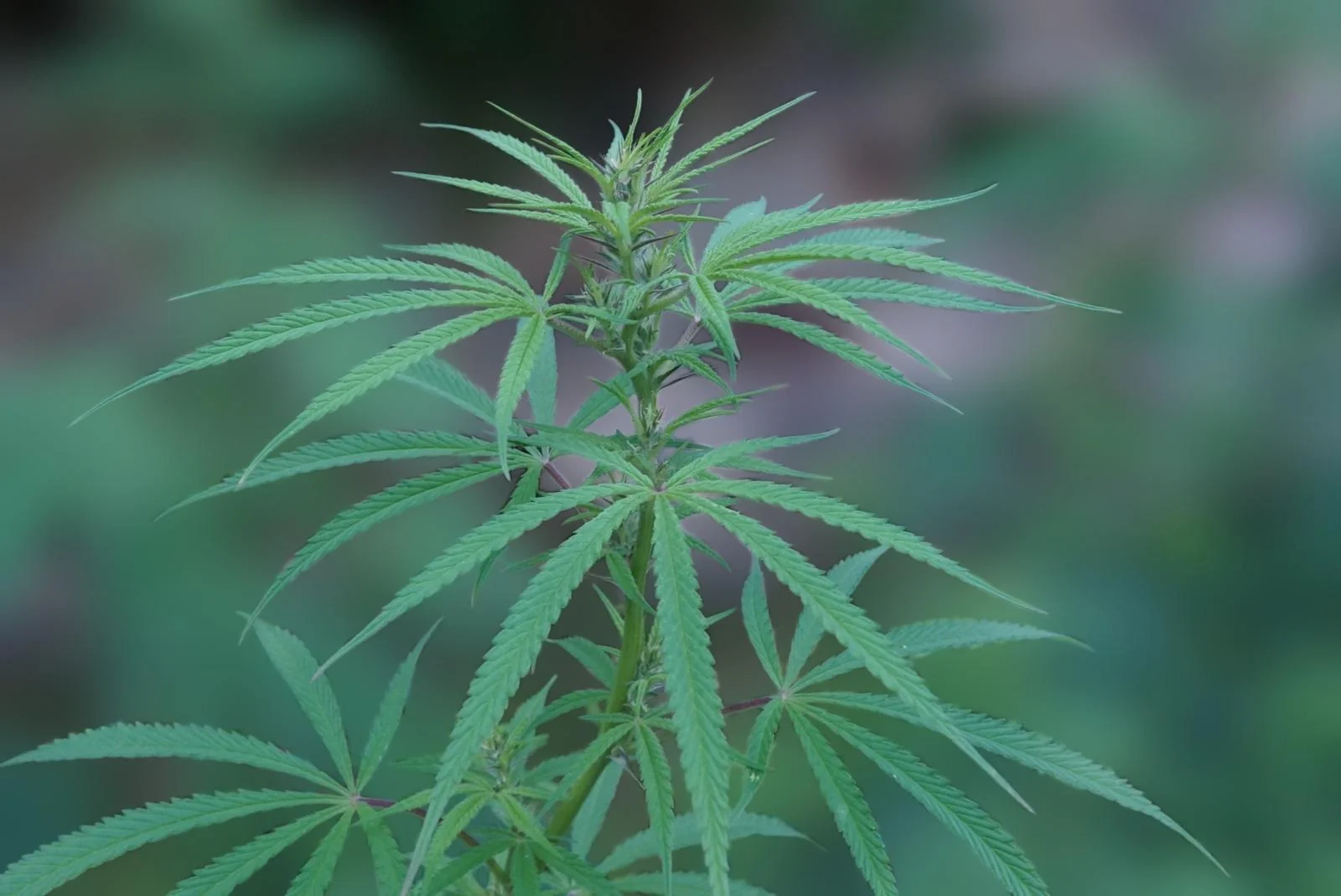
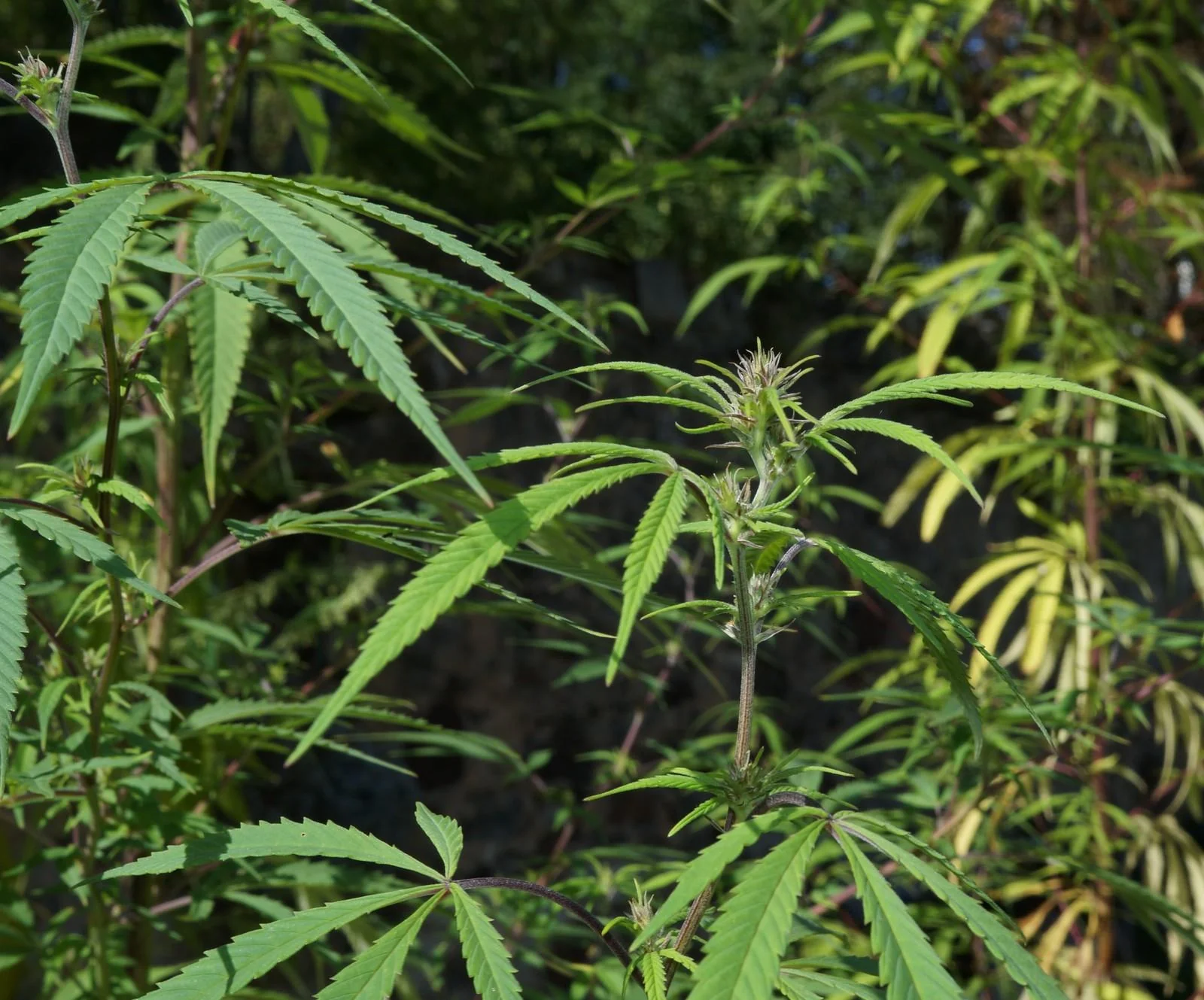
Flowering did not progress at the same pace indoors and outside. Outdoors, male flowers appeared from late May. In June, the female plants showed individual pistils at the nodes, but they had not yet reached the indoor clones’ stage of flowering.
Outdoors: early male flowers and female pistils
Male Rasol flowers outdoors, late May 2026.Tip of a female Rasol plant, early June 2026.
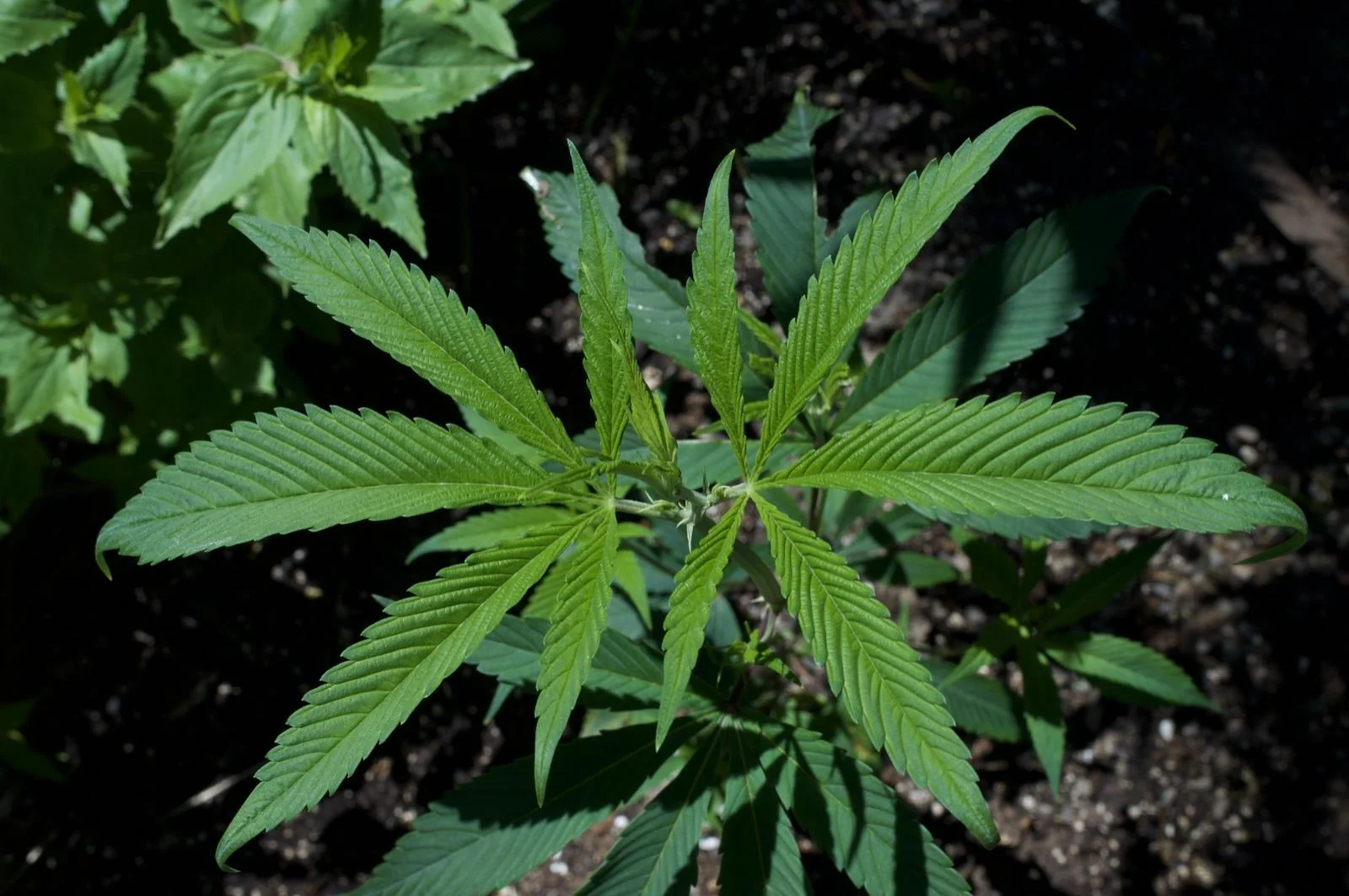
By mid-June, the female plants were growing on outdoors. The photographs record their structure and narrow leaves at this point, while flowering continued to develop.
Female Rasol outdoors, mid-June 2026.Leaves of a female Rasol plant, mid-June 2026.Flowering male Rasol outdoors, mid-June 2026.
Indoors: the clones flower earlier
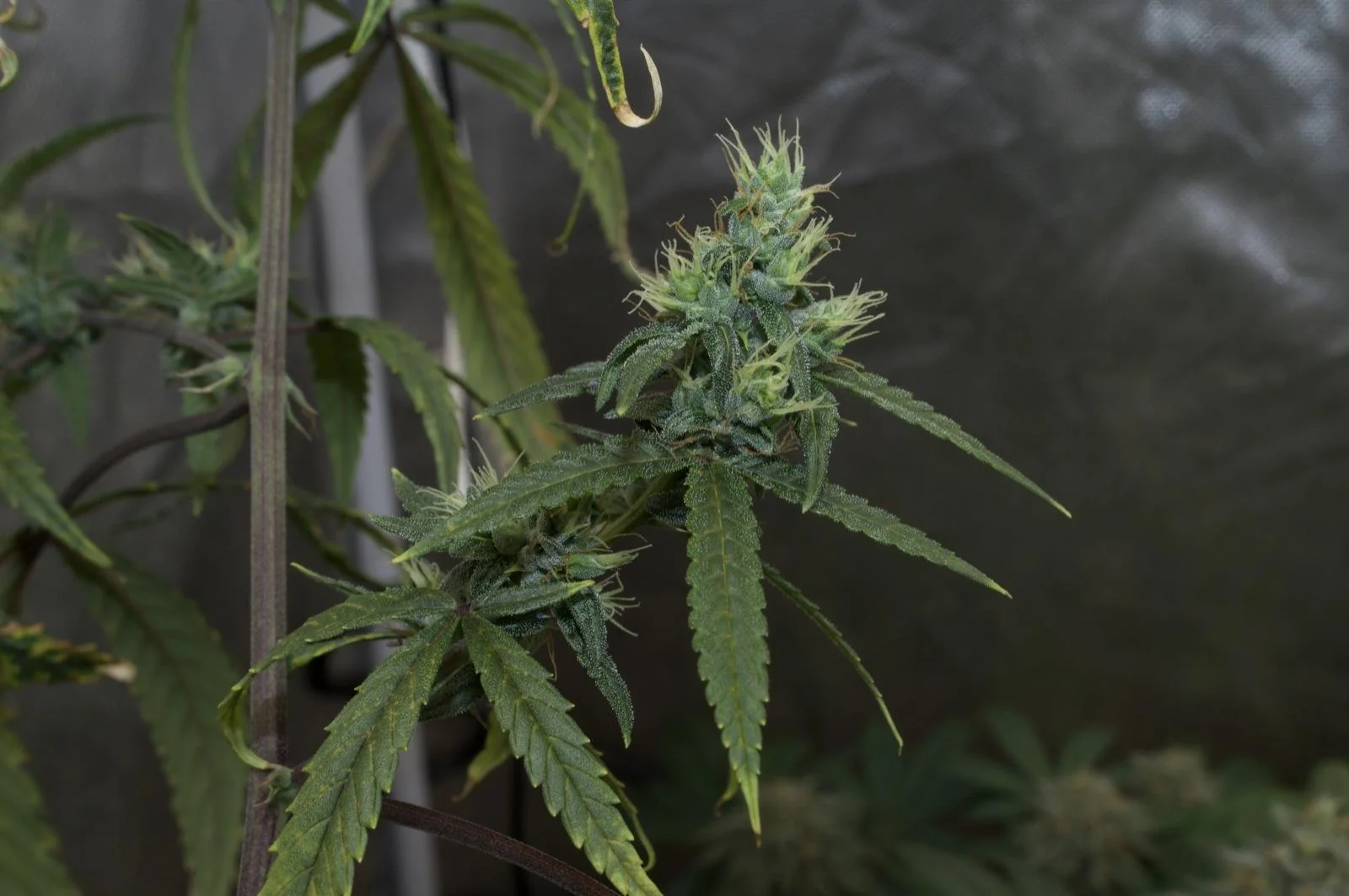
The female clones indoors were ahead of the outdoor females. Inflorescences were already visible in early June, and the plants were flowering by mid-June. The clones preserve the parent material while showing how each selected female develops through harvest.
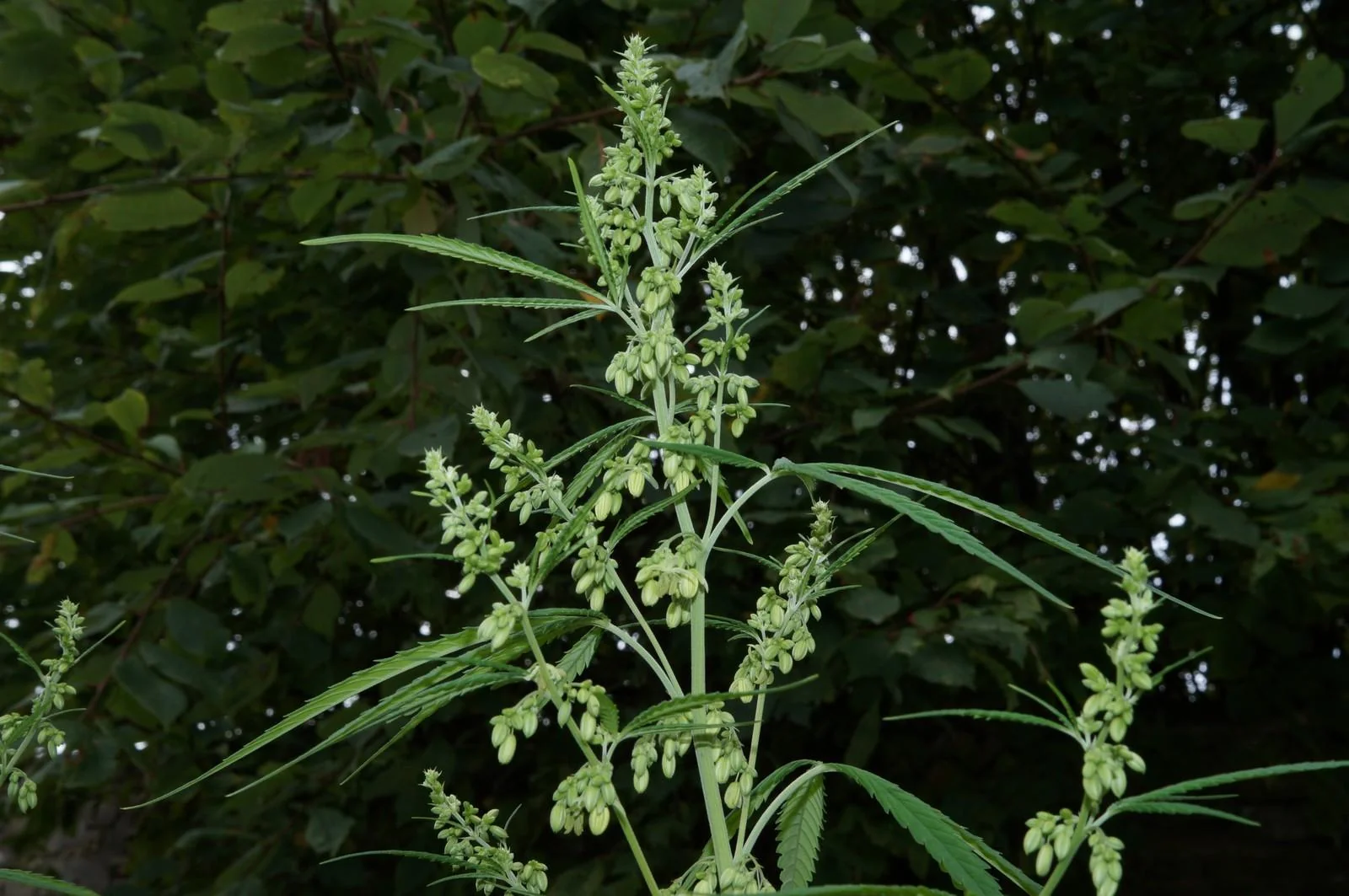
At the beginning of September, the outdoor male plants carried many flowers, some already open. By late September, the female tops had their first inflorescences with pistils. The outdoor parents have finally reached the flowering overlap needed for the Rasol × Rasol cross.
Male Rasol flowering outdoors, early September 2026.Female Rasol with pistils outdoors, late September 2026.
Seeds to come
The male and female plants are now flowering at the same time outdoors, with Rasol × Rasol seed the next milestone. The next planned step is an indoor grow of those seeds. Selection will focus on resin, vigor and resilience, followed by a cross between the best candidates and Lowryder to produce the first Rasol × Lowryder F1 seed.
Log 05 / Pollination
A Delicate Condition
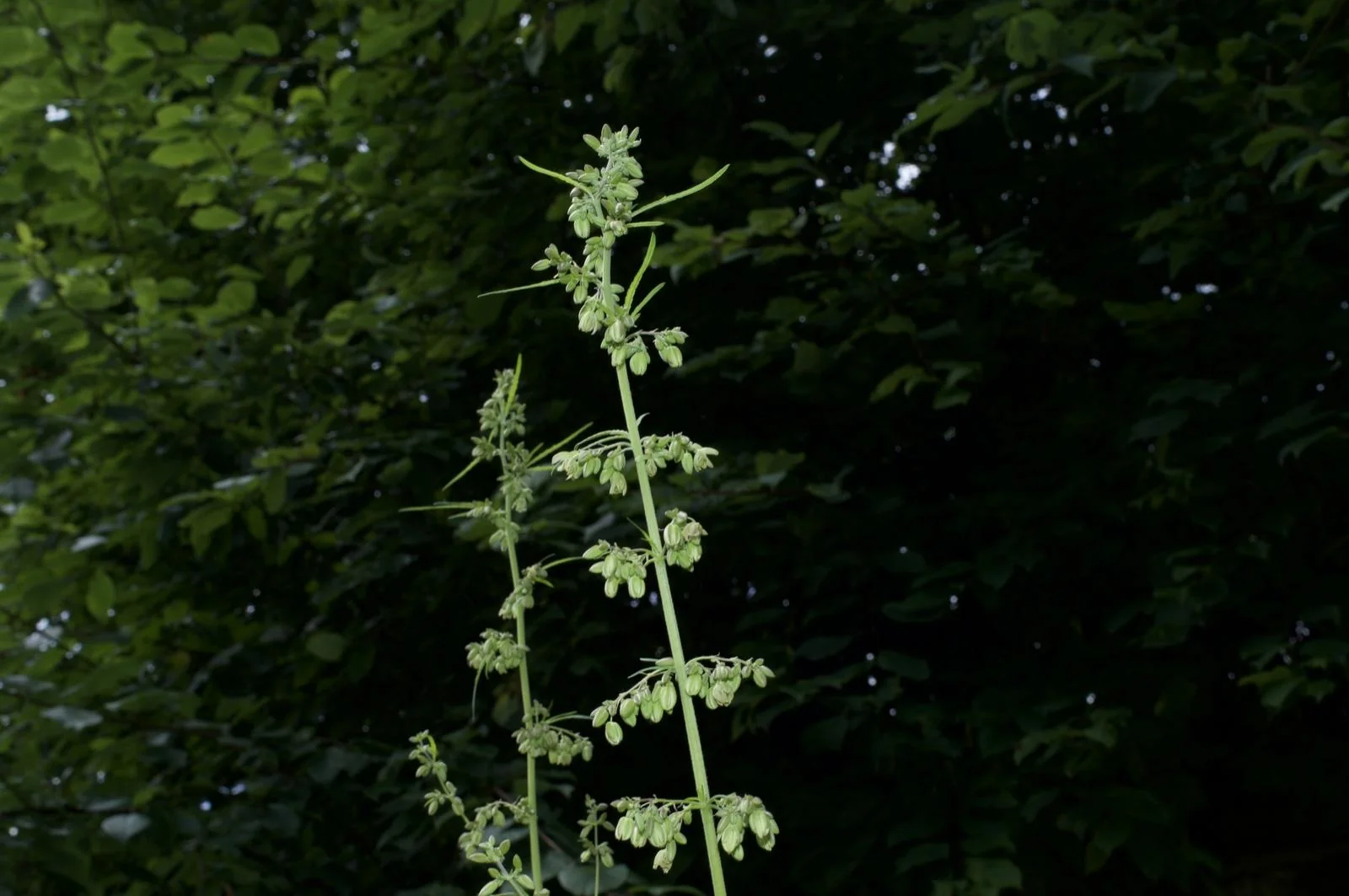
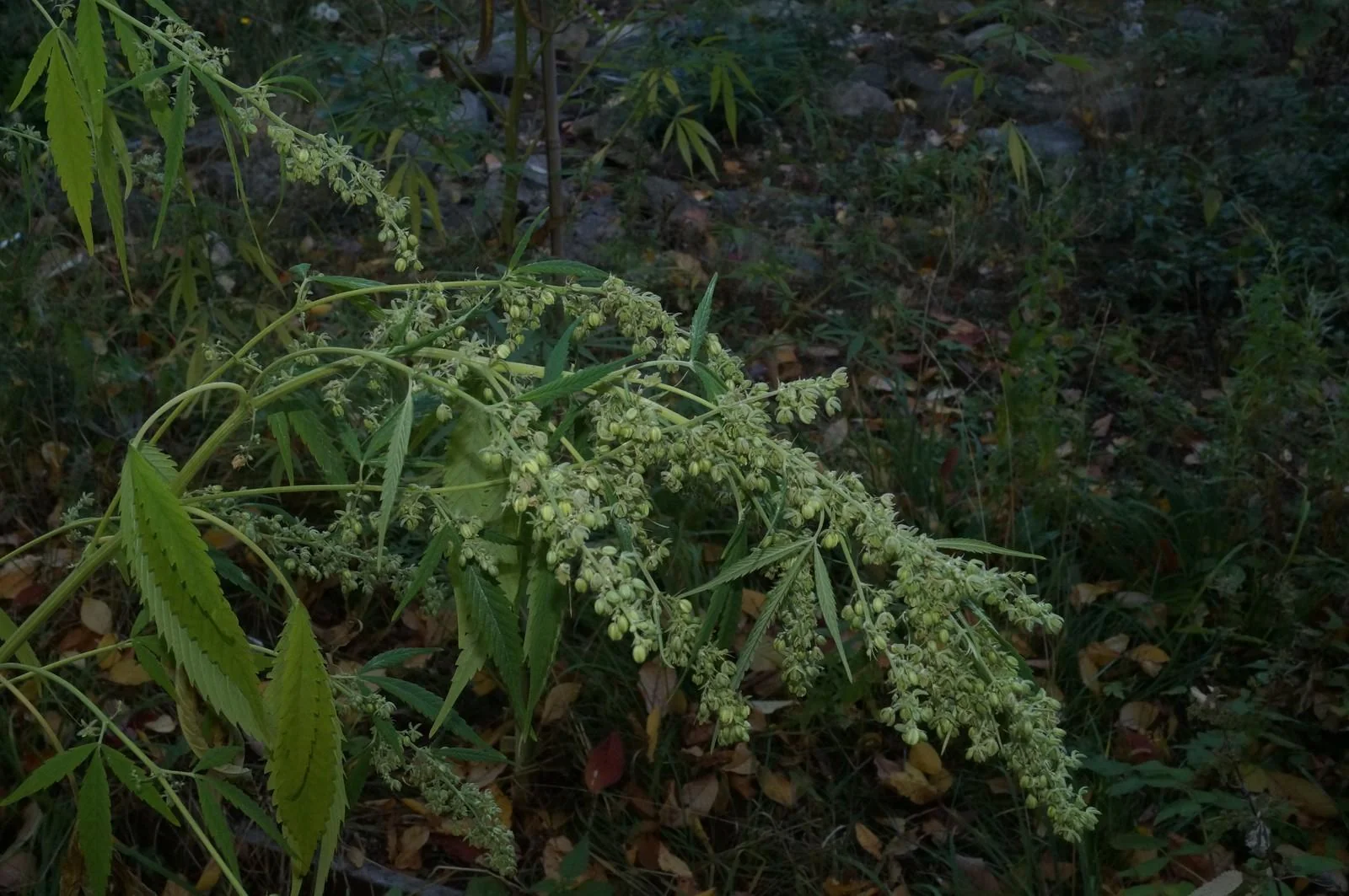
In early October, the outdoor female Rasol plants were pollinated. The males were still flowering, with flowers along the full length of their branches.
Rasol male branches in flower, early October 2026.Top of a female Rasol plant, early October 2026.
Four metres
By the second half of October, the outdoor plants had reached around 4 m, compared with the 1.8–3 m given in the landrace description.
Top of a female Rasol plant, second half of October 2026.
Seeds and cold nights
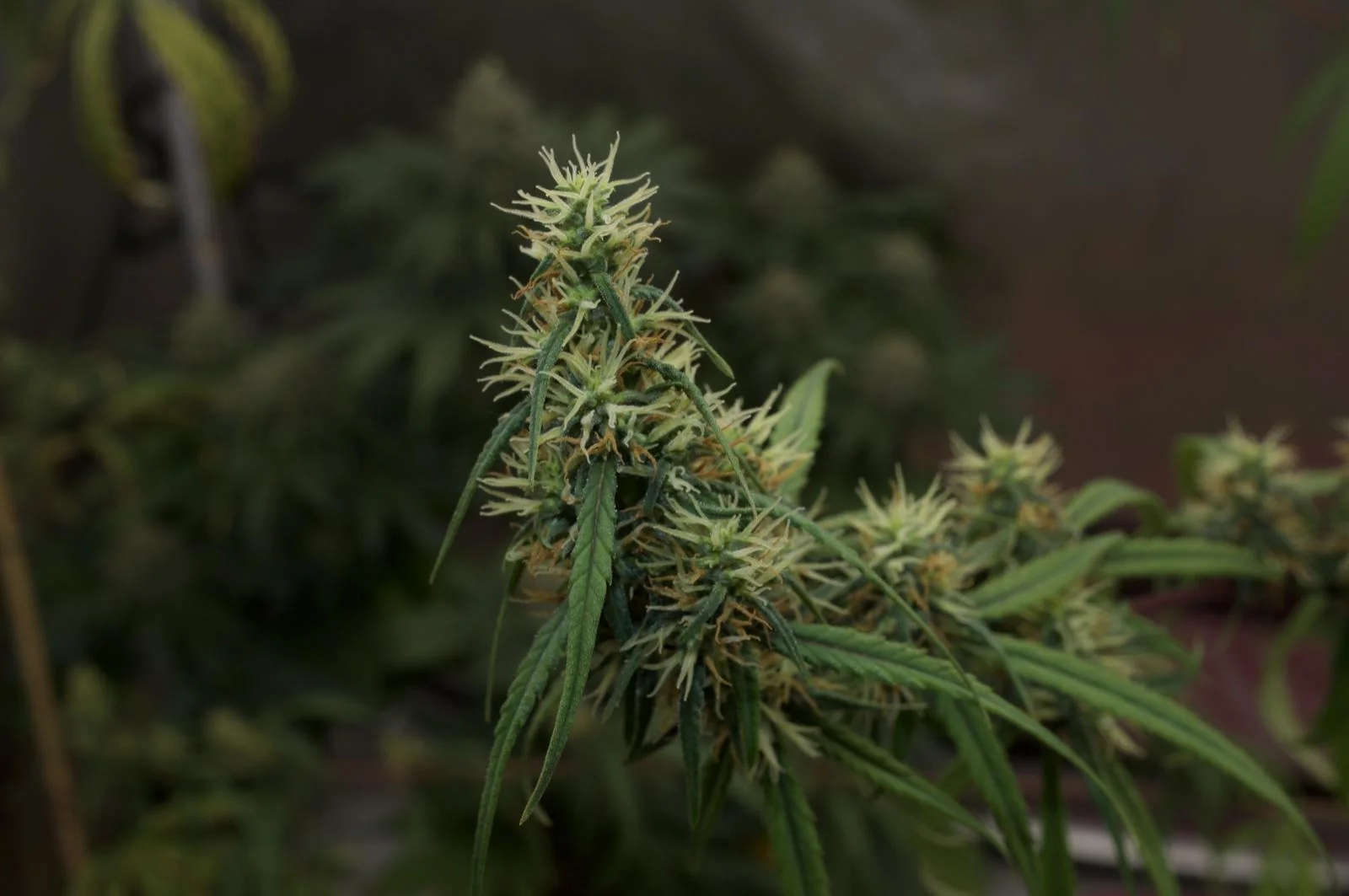
Seeds are already visibly developing in the flower clusters. Night temperatures are now around 5 °C, with daytime temperatures of 12–13 °C. The hope is that the Rasol × Rasol seeds will mature before the first frosts.
Rasol flower cluster with developing seeds, second half of October 2026.
Rasol clones remain in vegetative growth indoors.
If the seeds mature in time, the next step will be to collect them.
Explore regular seedsBrowse the regular seed collection for growing and breeding projects.