
Your cart is currently empty!
Autoflower vs. Photoperiod Cannabis: Which Should You Choose?
—
article in Grow Guides
Autoflower vs. photoperiod cannabis is not a question of which type is universally better. The right choice depends on how much control you want, how long your season lasts, and how you plan to use your space.
Autoflowers flower according to age and genetic development. Photoperiod plants flower in response to a change in the photoperiod — indoors, usually a switch to 12 hours of light and 12 hours of darkness. That one difference affects timing, training, plant size, and the way a grow is organized.
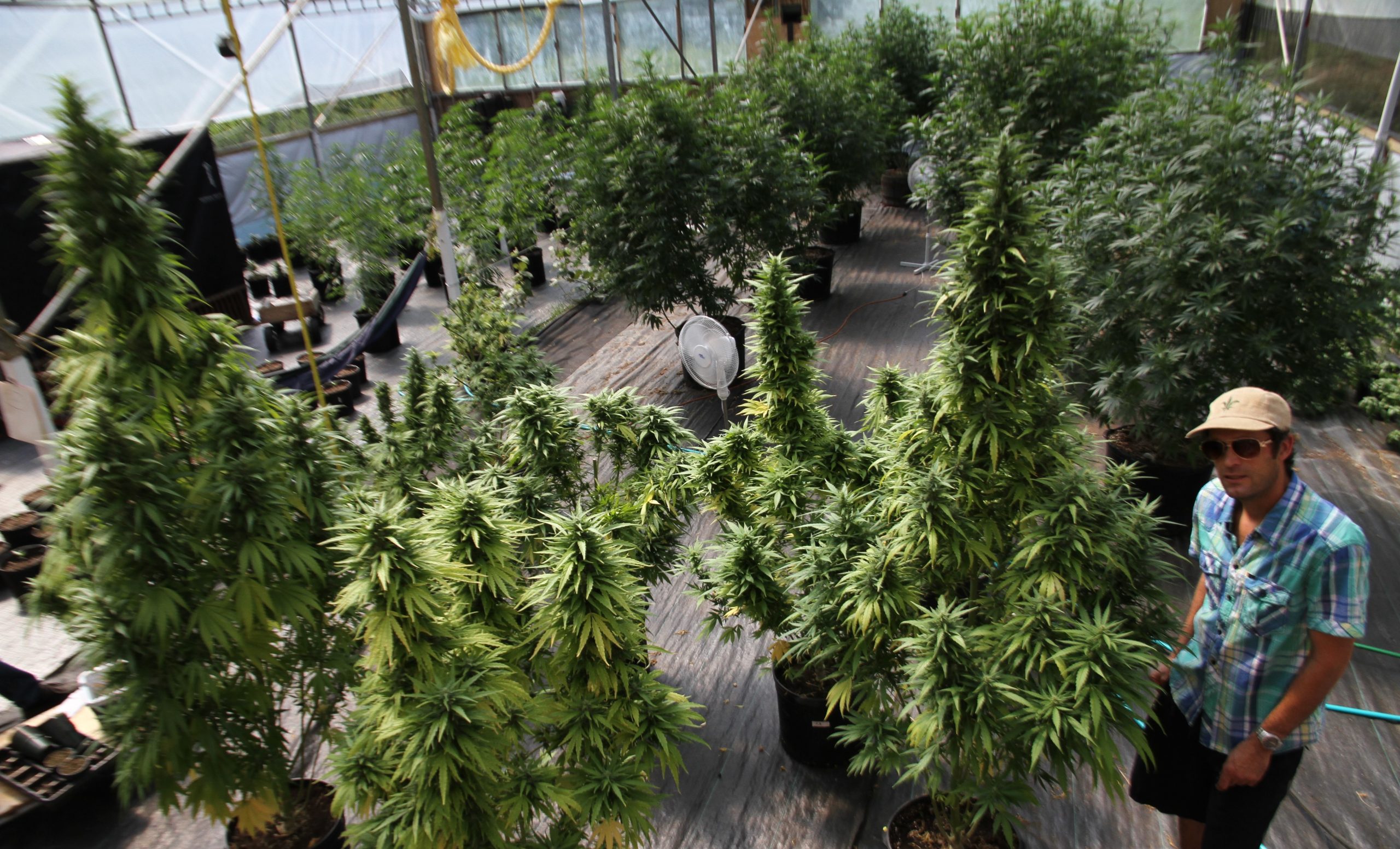
Autoflower vs. Photoperiod Cannabis: Key Differences
| Feature | Autoflower Cannabis | Photoperiod Cannabis |
|---|---|---|
| Flowering trigger | Age and genetics | Long, uninterrupted nights |
| Indoor light schedule | Usually stays the same from seed to harvest | Usually changes to 12/12 to initiate flowering |
| Control over vegetative time | Limited | Fully controlled by the grower |
| Recovery after major stress | Less time to recover before flowering | More time available if vegetation is extended |
| Typical use | Short seasons, compact spaces, continuous setups | Larger plants, extended training, maximum timing control |
When comparing autoflower vs. photoperiod cannabis, the main decision is whether you value a faster, fixed schedule or greater control over vegetative growth and training.
The basic trade-off is simple. Autoflowers give you speed and a consistent schedule. Photoperiod plants give you more control over the vegetative phase.
Why Autoflowers Flower on Their Own Schedule
Autoflowering genetics changed cannabis cultivation by taking the flowering trigger away from the light schedule. Once an autoflower reaches the appropriate stage of development, it starts flowering without a switch to 12/12.
For indoor growers, this means one light schedule can run through the entire cycle. Many growers keep autoflowers under 18 hours of light and 6 hours of darkness from seed to harvest. The practical benefit is not a magic light setting; it is the freedom to grow plants at different stages under the same schedule.
The timing still varies by cultivar and conditions. Many autoflowers begin showing their transition to flower around three to five weeks after germination, but the genetics, environment, and early growth all matter.
Where Autoflowers Came From
The modern autoflower category began with Lowryder. Canadian breeder Sasha Przytyk, better known as Joint Doctor, selected plants carrying the autoflowering trait and combined that trait with more desirable cannabis characteristics. The result was Lowryder, the first commercial autoflowering cannabis strain.
Lowryder proved that cannabis could complete its cycle without waiting for shorter days. Since then, breeders have developed autoflower lines for different sizes, aromas, cannabinoid profiles, and outdoor conditions, while retaining the age-dependent flowering trait.
For the full breeding history, read Lowryder: The Story of the First Autoflower.
When Autoflowers Make the Most Sense
Short Outdoor Seasons
Autoflowers can finish before autumn rain, cold weather, and mold pressure become the main risk. That makes them a practical option where a photoperiod plant may not have enough time to mature outdoors.
Continuous Indoor Harvests
Seedlings, vegetative plants, and flowering autoflowers can share one lighting schedule. You can add new plants while earlier ones finish, without maintaining separate vegetative and flowering rooms.
Small Spaces
Many autoflowers remain compact enough for small tents, grow boxes, greenhouses, and balconies. Check each strain’s expected height, though: not every autoflower stays small.
A Faster Cycle
Many modern autoflowers finish in roughly 9–13 weeks from germination. If speed matters more than controlling the size of the plant before flowering, an autoflower can be the more practical choice.
More Than One Outdoor Run
In a warm, reliable season, a shorter life cycle can make successive outdoor plantings possible. The real number of runs depends on local weather, the cultivar, and the time needed for germination and harvest.
When Photoperiod Cannabis Is the Better Choice
Photoperiod plants are not the slower, less convenient alternative. They are the better tool when you want to determine how long vegetation lasts.
That control matters when you plan to train heavily, fill a large space, take clones, or let a plant recover after a significant mistake. You can keep a photoperiod plant in vegetation until it reaches the size and structure you want, then initiate flowering by changing the light cycle.
For growers whose main goal is maximum control over plant size and training time, that flexibility is often worth the longer cycle.
The Main Limitation of Autoflowers
An autoflower’s short vegetative phase is an advantage only when the plant starts well. It also means there is less time to recover from transplant shock, overwatering, root problems, or aggressive training before flowering begins.
That does not make autoflowers difficult. It does mean that steady conditions and gentle early handling matter more than they might with a photoperiod plant that can stay in vegetation longer.
Which Type Is Right for Your Grow?
Choose an autoflower if you want a faster cycle, a single indoor light schedule, a compact plant, or a better chance of finishing within a short outdoor season.
Choose a photoperiod plant if you want to control the vegetative phase, train extensively, or grow a larger plant before flowering begins.
For a first look at individual options, explore Doctor’s Choice autoflower cannabis seeds or read Which Doctor’s Choice Autoflowers Should You Grow First?.
Frequently Asked Questions
Do autoflowers need 12/12 lighting to flower?
No. Autoflowers begin flowering according to age and genetic development, not because the light cycle changes.
How long do autoflowers take from seed to harvest?
Many autoflowers finish in about 9–13 weeks from germination. Timing varies by cultivar and growing conditions.
Are autoflowers or photoperiod plants better for beginners?
Either can work for a beginner. Autoflowers simplify the light schedule, while photoperiod plants give more time to recover from early mistakes. The better choice depends on the available space, season, and grower’s goals.
Can autoflowers be grown outdoors?
Yes. They are especially useful outdoors in regions with short seasons, where finishing before wet or cold autumn weather is important.