
Your cart is currently empty!
Lowryder: The Story of the First Autoflower
Every autoflowering cannabis seed sold today shares one ancestor — a small, stubborn plant called Lowryder. It was bred by Sasha Przytyk, also known as Joint Doctor, the breeder behind the first commercial autoflower, and its story doesn’t begin in a lab or a boardroom. The Lowryder story begins with a farm kid who couldn’t stop wondering what cannabis might become if it were freed from the usual rules — and with a single question about growing weed on a windowsill.
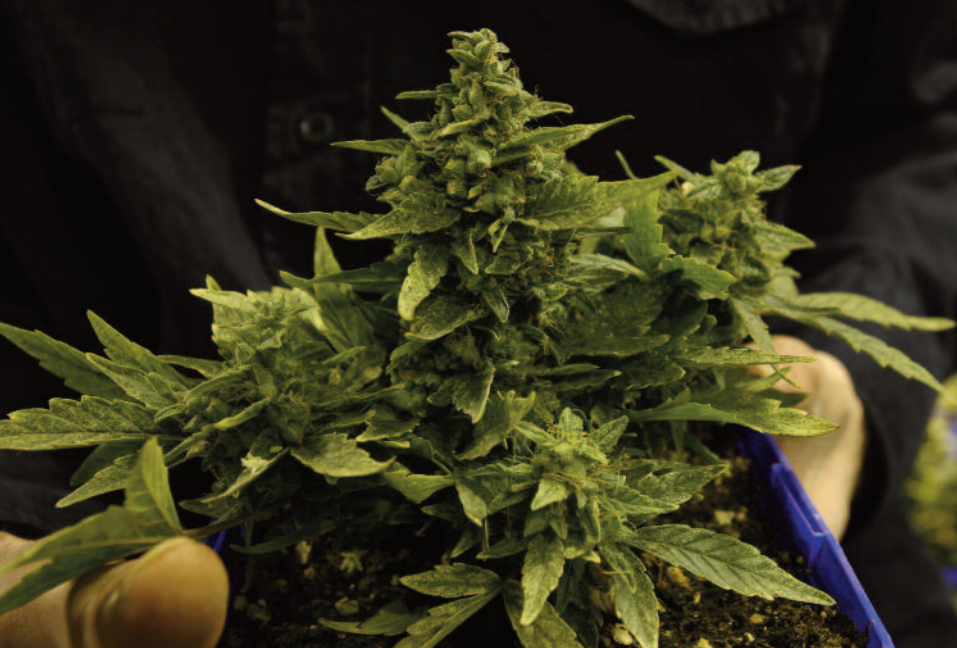
Lowryder Story Begins With an Eye for the Odd
Sasha grew up on a farm, and cannabis caught his attention early. He carried a little seed to college and kept his own stash going with a few plants in his dorm room and a few more in the woodlot next door. Those quiet experiments turned, over time, into a career. Traveling later on, he saw everything the plant could be — ganja plantations, wild roadside patches, towering hemp fields — and he came away certain of one thing: in cannabis breeding, almost anything is possible. All it really takes is good genetics, a sharp eye, plenty of patience, and a little luck.
What set him apart was a soft spot for the strange ones — the off-types most growers pull up and throw away.
“I have always been attracted to novel and unusual characteristics in plants. Later on, I attempted to create smaller strains of Cannabis for myself, to grow in small spaces.”
Small spaces were the thread running through it all, and one visit gave the idea its shape. A friend’s mother was trying to coax a plant to life on her windowsill, from seeds Sasha had left behind on an earlier trip. He doubted it would ever amount to much — but the picture stuck with him. Wouldn’t it be something, he thought, if you could build a dwarf plant made for windowsills, balconies, and cramped apartments? That question set the whole project in motion.
Mexican Rudy: The Plant That Changed Everything
Around the same time, he started trading seeds with a new friend, Antonio — a dreadlocked Mexican expat who had spent more than thirty years collecting and growing rare strains. One of Antonio’s seeds would change everything. It was called Mexican Rudy.
“It stayed short and flowered earlier than anything else we had.”
Nobody could quite explain it. “Rudy” hinted at Ruderalis, the hardy wild subspecies known for its short habit and quick life cycle, yet this one had come up through Mexico. To this day, no one is certain what Mexican Rudy truly was — perhaps an old experimental cross grown out quietly for years. What mattered was how it behaved: it matured fast, it stayed small, and it was tough as nails. The potency was only low to medium, but it put smokeable plants in the garden weeks before anything else had even started to bud. That toughness was the raw material. Sasha just had to find a way to unlock it.
How the Lowryder Cross Revealed the Autoflowering Trait
He began by crossing the Rudy with a Northern Lights #2 — a compact, potent plant also known as Closet Queen. The F1 seeds gave him vigorous, quick, compact mothers, but not one of them flowered on its own. The autoflowering trait is recessive, so it stayed hidden through that first generation, present in the genetics but invisible in the plants. Sasha didn’t know that yet, so, not really sure what he was holding, he pushed the line one step further and crossed it with a William’s Wonder clone. That three-way cross — William’s Wonder × (Northern Lights #2 × Rudy) — was exactly what brought the recessive genes back into play.
Why Saving the Off-Types Mattered
Here is where a small personal quirk turned into history. Sasha never threw his oddballs away — where other breeders culled the strange seedlings, he kept them.
“I had a tendency to keep seeds and strains that many a grower would have thrown out as off-types.”
Growing out that William’s Wonder batch, he and a friend noticed something that stopped them cold: a handful of male plants began flowering while they were still basically seedlings — under twenty-four hours of daily light, when nothing was supposed to flower at all. Most growers would have written them off as freaks and pulled them on sight. His habit of keeping the weird ones is the only reason they survived.
He used those freak dwarf males as pollinators, and the next generation proved the point beyond doubt.
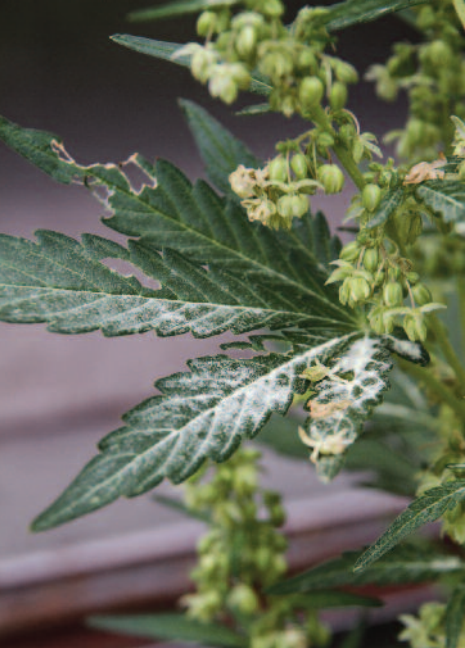
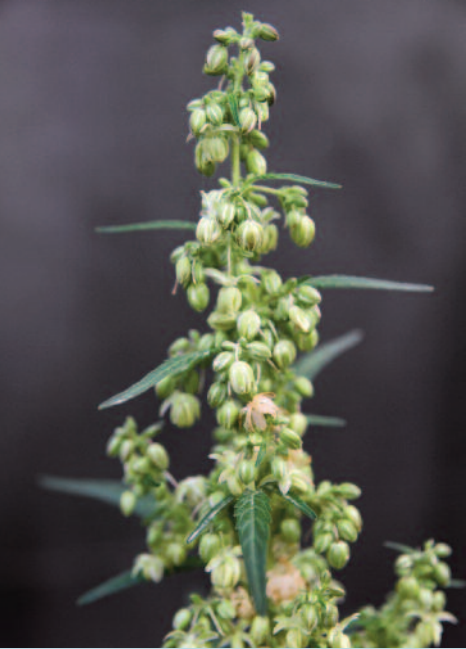
“My next generation consisted exclusively of tiny plants that matured automatically at no more than 12 inches and less than 60 days from seed.”
Under a foot tall. Finished in under two months. No light schedule to babysit — and the structure and scent of the William’s Wonder carried right through, wrapped around that earthy ruderalis backbone. The dream from the windowsill was finally a real plant.
How Lowryder Got Its Name
For a while it went by a plain working name — Willy’s Automatic. The name it’s known by today arrived somewhere far less ceremonious.
“The name Lowryder came to me during a morning session on the porcelain throne, reading my favorite car magazine, LOWRIDER.”
Low profile, quick, built for tight spaces: Lowryder fit the plant perfectly. He grew it out for several more generations — a closet through the winter, the garden through the summer — selecting the best specimens each round, long before it ever reached the wider world.
Lowryder Genetics Were Meant to Be Shared
When Lowryder finally went out, Joint Doctor made a choice that shaped everything after it: he refused to lock the genetics down. He sold it in regular, non-feminized form so growers could make their own seeds and breed their own versions, and when other people took the line and ran with it, he welcomed it rather than fought it. He has described his work simply as “open-source genetics, meant to be shared,” figuring that sooner or later someone would build something even better on top of it — and that watching the plant take on a life of its own was the whole point.
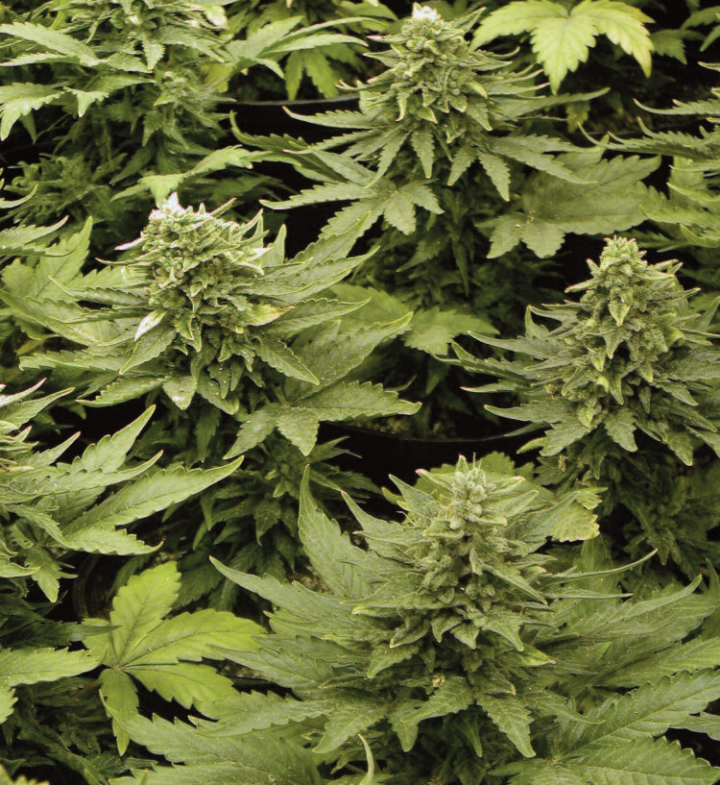
That openness is why the Lowryder story didn’t end with one breeder in one basement. The trait spread from garden to garden, country to country, until autoflowers grew into the majority of cannabis seed sales in Europe — fast, compact and forgiving, exactly what he set out to make. And here is the part most people never realize: every autoflowering strain you can grow today carries Lowryder somewhere in its lineage. That single recessive trait, rescued from a batch of “off-types” other growers would have binned, is the reason the entire category exists.
One farm kid. One stubborn question about small spaces. One plant that shouldn’t have worked — shared freely with the world.
That’s the story of Lowryder, and the reason Doctor’s Choice is still Home of Lowryder, where autoflowers began.
Photos by David Strange.