
Your cart is currently empty!
Sasha, aka Joint Doctor – interview for the AWC Cup. Part 1
—
article in Breeding Tips
Joint Doctor — the breeder behind the original Lowryder. This June, he’s coming to Berlin as a judge at the Autoflower World Cup.
We sat down with him ahead of the event to discuss the most challenging questions. There’s also a story about a police raid, a chicken coop, and a nine-foot Colombian plant that started everything. You’ll want to read that one.
This is Part 1 — and trust us, Part 2 is worth the wait
1. AWC: You basically broke cannabis genetics with Lowryder. Be honest… Did you know you were starting a revolution, or were you just messing around and accidentally changed the game forever?
Sasha: My goal as a cannabis enthusiast, ever since I was a young man, was simple: Find or create a compact strain that would be easy to grow in a short season like Canada’s.
To understand my motivation, I will tell you a quick story. (Click to read the story)
Back in the mid-80s, when I was in my mid-teens, I got off the school bus one day to a nightmarish scenario. Our farm was crawling with cops. My father’s beautiful Cannabis plants were all piled up in the back of a truck. It was a bust.
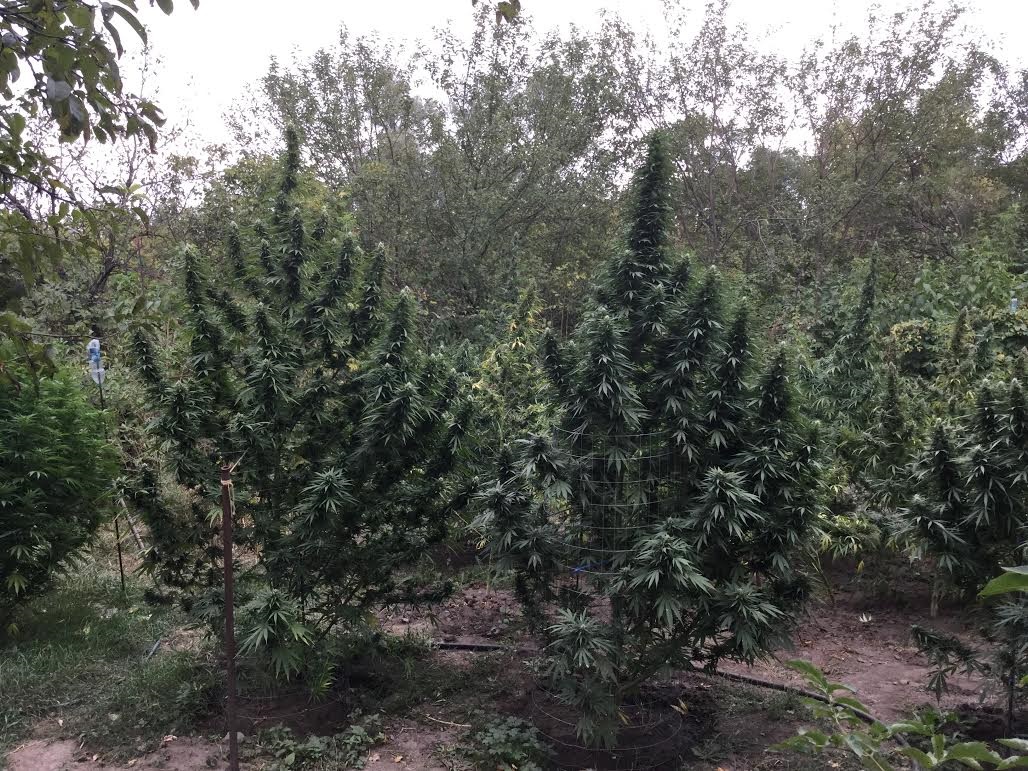
This was in September, as I recall. The Colombian strain my dad had been growing behind the chicken coop had grown so tall (9 ft) that they had become visible to the neighbors. Some roofing contractors had apparently reported us to the police, as we later found out.
In time, I began to envision a new type of bonsai Cannabis that would help avoid this type of scenario. I was really afraid of “the law” taking my family away. I had read about mythical wild “ruderalis” plants from Siberia, so I figured that it was possible.
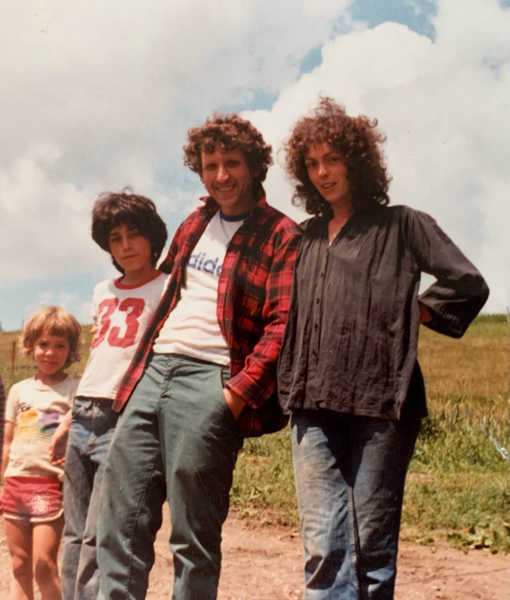
Truly, I wasn’t even the first person to have this idea. But I made it my mission. Along the way, I have had a lot of help and been inspired by great growers and breeders, beginning with my father, who I am very grateful for. I consider myself very lucky. But I don’t consider Lowryder an accident.
Looking back, I’m a second-generation Cannabis grower and enthusiast who has dedicated his life to this amazing plant. And I’ll tell you something else – I was never afraid of trying something different. My family was different. I was taught to think for myself and not blindly accept the mainstream narrative.
Honestly, though, I could never have imagined how far this journey would take me!
2. AWC: If you look at autoflowers in 2026, what’s the biggest thing people still don’t understand about them… despite acting like experts on the internet?
People who have learnt from the start that Cannabis is photoperiod-sensitive tend to overthink the process. They have to unlearn the traditional narrative. First-time growers have no such problems.
Firstly, the biggest advantage of autoflowers is outdoors, where their fast maturation — regardless of the light cycle or ambient light pollution — allows growers to harvest quality sensimilla, and in some regions even get multiple harvests per year.
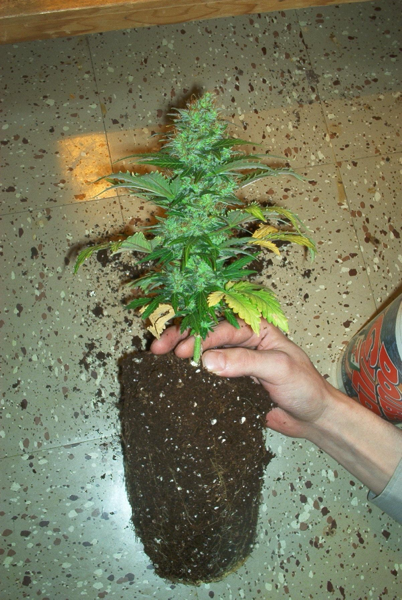
However, for indoor home-growing, the main advantage is that you can quickly grow and harvest your medicine in a single vegetative chamber. No cloning or changes to the light regime needed. It’s deceptively simple.
3. AWC: Name one innovation in autoflowers that genuinely excites you right now, and one trend that makes you think, “This is cringe.”
For instance, what really excites me is the ability to adapt autoflower genetics to different climates and situations. We are still discovering new, useful applications for autos in different contexts.
What’s cringe? Lies and bullshit just for the sake of profit. I still believe that this plant is an amazing, important gift for mankind. Let’s treat it with the respect it deserves. Keep it conscious.
4. AWC: If you had to create a strain today that reflects the future of autoflowers, what would be non-negotiable? Speed, potency, terps, resilience… or something people aren’t even thinking about yet?
Speed, resilience, versatility, flavor, quality, and consistency — these things are all important.
Honestly, it’s hard to imagine what the next big development in autoflowers could be… I can visualize an auto that gives multiple harvests, maybe, like a greenhouse tomato. Or perhaps a plant that crawls on the ground, has mutated leaves, and red-colored buds. Something completely novel and different.
But why not dream big? If I’m thinking about it now, some stoner buddy somewhere is probably thinking about it too — the trick is to turn pipe dreams into reality!
This is the first part of the interview. Follow us to be the first to read part 2